






Model in Glass Case
A model in glass case protects delicate craftsmanship from dust while offering a clear view from every angle.
Model in Glass Case
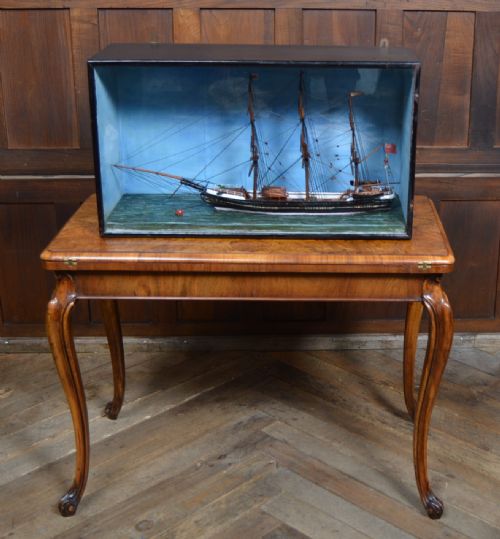
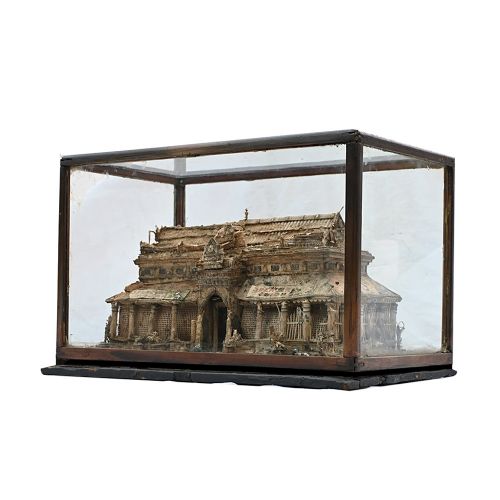
A model in glass case brings together intricate miniature sculptures, maritime dioramas, and precision timepieces preserved beneath protective domes or within glazed boxes. These pieces range from nineteenth-century folk art ship dioramas and grocery store displays to mid-century Swiss mechanical clocks housed in bell-jars.
Maritime examples dominate the earlier periods, featuring sailing vessels and racing ships created by sailors and folk artisans using wood, thread, and paint. Later twentieth-century iterations lean towards precision engineering, enclosing complex movements in glass and rhodium plating.
Materials and construction methods
Makers utilised wood, plaster, wax, and thread to build the interior subjects, often mounting them securely to a base before sealing them beneath blown glass domes or fitted glazed timber frames. This enclosure protected fragile components like textile rigging or delicate wax figures from atmospheric damage.
Later mid-century pieces combined traditional glass-blowing techniques with advanced metallic finishes such as rhodium plating over brass movements. The joinery of the wooden cases and the clarity of the protective glass determined how well the internal scene survived over time.
Model in Glass Case Retail Price Guide 2026
Typical asking prices for model in glass case among the pieces listed under this phrase on Sellingantiques today, from the lower quarter to the upper quarter. They describe what is for sale here now, not the wider market.
Current listings feature items spanning the nineteenth and twentieth centuries, utilising glass, wood, brass, paint, plaster, wax, thread, and rhodium plating.
Distinctions in craftsmanship and preservation
Quality rests primarily on the original condition of the internal components and the clarity of the protective glass housing. Pieces that retain their original paint, tension in ship rigging, or untouched mechanical movements command greater interest than those with replacement parts.
The sophistication of the miniature work itself sets examples apart, moving from naive folk art depictions to highly accurate scale architectural and nautical models. The integrity of the seal on the glass case also dictates how thoroughly the interior has remained protected from dust and moisture.
The Model in Glass Case Glossary
- Bell-jar
- A bell-shaped glass cover used to protect delicate objects, clocks, or scientific instruments while allowing continuous visibility. It sits directly on a wooden or metallic base.
- Diorama
- A three-dimensional scene featuring miniature figures, ships, or buildings arranged in a naturalistic setting. These are frequently enclosed within glazed shadow boxes.
- Maritime folk art
- Self-taught creative work produced by sailors or coastal artisans depicting ships, seascapes, and maritime life. It often incorporates organic materials such as bone, wood, and thread.
- Scale model
- A physical representation of an object maintaining exact proportional relations to its actual size. These models demonstrate precision carpentry and miniature detailing.
- Rhodium plating
- A protective metallic coating applied to brass or other metals to provide a bright, durable, and tarnish-resistant finish. It is frequently found on mid-century mechanical components.
Model in Glass Case: Frequently Asked Questions
How do I clean inside a glass case?
Most antique glass cases are sealed to protect the delicate contents from dust and atmospheric degradation. Attempting to open them can permanently damage fragile internal elements like wax figures or textile rigging.
Instead, maintain the exterior glass using a gentle cleaner applied to a cloth rather than directly to the surface. Leave internal conservation strictly to experienced specialists if preservation is compromised.
Were these models made by sailors?
Many nineteenth-century maritime dioramas and ship models originated from sailors utilising their long hours at sea. They fashioned miniature vessels from scrap wood, sailcloth, and rigging thread.
Other examples, such as grocery store models and precision clocks, were produced on land by commercial makers or specialised artisans using refined workshop tools.
How do I date a glass cased clock?
Dating relies on mechanical signatures, materials, and stylistic cues visible through the glass enclosure. Mid-century examples often feature specific movement calibrations and modern metallic finishes like rhodium plating.
Earlier nineteenth-century pieces display hand-painted elements, naive folk art construction, and traditional timber framing that reflect the manufacturing standards of their era.
Can these models be displayed in direct sunlight?
Direct sunlight causes significant fading to painted surfaces, dyed threads, and organic materials like wax over time. Position your display away from bright windows to preserve the original pigments and structural integrity.
Stable indoor environments away from excessive heat fluctuations also prevent the timber cases and old adhesives from drying out or warping.