



Miniature Walnut Box
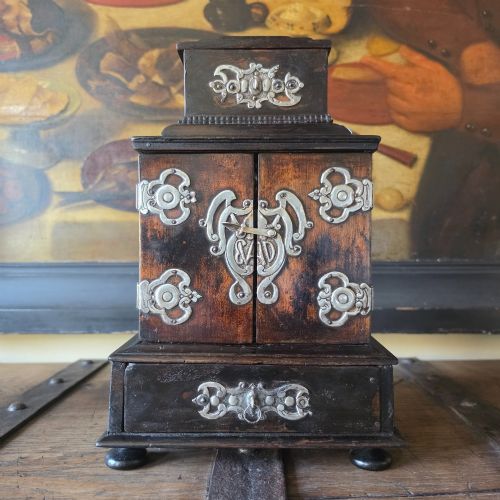
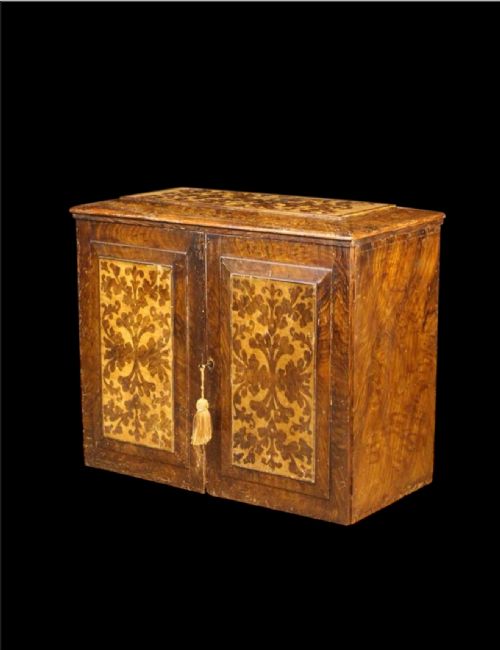
A miniature walnut box condenses grand cabinet-making into a small tabletop format designed to safeguard precious trinkets and papers.
Miniature Walnut Box
A miniature walnut box encompasses a variety of diminutive forms, ranging from simple tabletop chests and jewellery boxes to elaborate miniature desks and collectors' cabinets. Buyers seeking a miniature walnut box will frequently encounter Victorian examples alongside striking Continental pieces originating from earlier centuries.
These scaled-down items often replicate the architecture of larger furniture, functioning as portable strongboxes or display pieces for precious items. The selection spans several distinct eras, featuring seventeenth-century Continental styles, eighteenth-century chests, and nineteenth-century bureau forms.
How they were made
Craftsmen utilised figured timbers such as burr walnut, applying them over secondary woods to create rich, patterned surfaces. Workshops frequently incorporated contrasting materials like fruitwood, mahogany, and ebony to form intricate geometric patterns and borders.
Metalwork played a functional and decorative role in construction, with brass hinges, locks, and handles securing the miniature structures. Many pieces also display intricate wood inlay and parquetry, demonstrating high levels of joinery skill on a small scale.
Miniature Walnut Box Retail Price Guide 2026
Typical asking prices for miniature walnut box among the pieces listed under this phrase on Sellingantiques today, from the lower quarter to the upper quarter. They describe what is for sale here now, not the wider market.
Current listings feature items from the seventeenth, eighteenth, and nineteenth centuries, constructed primarily in walnut, burr walnut, and mahogany.
What varies in quality
The standard of execution depends heavily on the choice of veneer and the precision of the parquetry or inlay work. Finer examples display carefully matched burr walnut grains that wrap seamlessly around the corners of the box.
Hardware integration distinguishes superior pieces, particularly where original brass locks and fittings remain intact and operational. The complexity of the internal configuration, such as multiple graduated drawers or secret compartments, also elevates the stature of the object.
The Miniature Walnut Box Glossary
- Burr walnut
- A highly prized wood featuring swirling, knotty grain patterns harvested from tree growths. It provides a highly decorative surface on luxury miniature furniture.
- Parquetry
- Geometric wood mosaic work formed by small veneer pieces arranged in patterns. This technique frequently decorates the exterior surfaces of tabletop cabinets.
- Apprentice chest
- A small-scale piece created by a trainee woodworker to demonstrate mastery of joinery techniques. These objects often mirror full-sized chests of drawers.
- Collectors cabinet
- A multi-drawer tabletop chest designed to house natural history specimens, coins, or medals. They typically feature small locking doors to protect the contents.
Miniature Walnut Box: Frequently Asked Questions
What were miniature walnut boxes used for?
These small chests served to store jewellery, precious documents, and small personal valuables on a desk or dressing table. They provided secure storage within a domestic setting.
Collectors also utilised specific multi-drawer variants to organise specimens, coins, and small curiosities. Their portable nature allowed owners to transport their prized possessions safely.
How do I date a miniature walnut box?
Dating relies on observing the prevailing architectural styles, construction methods, and hardware types used in the piece. Pieces showing seventeenth-century German or Continental traits differ significantly from Victorian British examples.
Secondary timbers inside the drawers and the style of the brass locks offer further clues regarding age. Comparing the exterior veneer work to established period furniture helps narrow down the decade of manufacture.
Are these boxes fragile?
While sturdily built from dense hardwoods, the thin veneers applied to their surfaces require careful handling and stable environmental conditions. Extreme humidity changes can cause the delicate wood inlay to lift.
Placing the box away from direct heat sources protects the polished finish and prevents the wood from splitting. Regular gentle dusting is usually sufficient for ongoing maintenance.
How do I identify burr walnut?
Burr walnut is characterised by its swirling, highly figured grain containing numerous small knot clusters. This distinctive pattern results from abnormal growth on the walnut tree.
Cabinet-makers sliced this wood into thin veneers to display the dramatic figuring across the top and sides of a box. It contrasts sharply with the straight grain of standard walnut lumber.