



Miniature Spindle Chair
These miniature spindle chair examples are delightful small seating forms built by traditional makers, offering immense charm for any room.
Miniature Spindle Chair
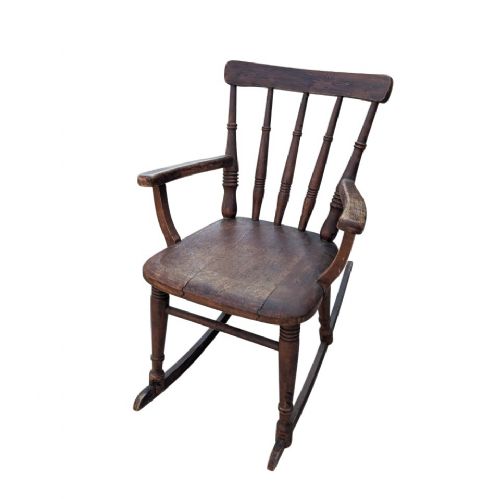
When you search for a miniature spindle chair, you uncover small-scale seating designed for children or dolls, often styled after full-size vernacular furniture. The pieces seen here span periods from the Georgian era through the Victorian years and into the early twentieth century.
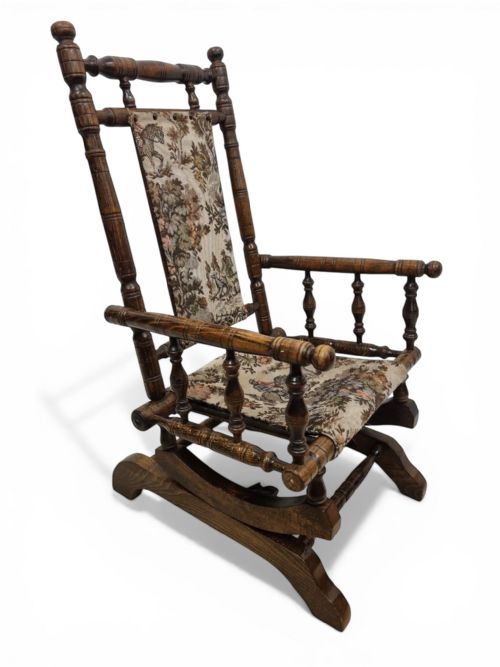
You are most likely to meet elm, ash, or pine child chairs and rocking chairs featuring turned spindles. Forms range from simple country types to Regency style armchairs and Aesthetic Movement ebonised designs.
Originating largely from English and Scandinavian country traditions, these small chairs show the same construction methods as adult seating. They serve decorative purposes today while retaining their historic utilitarian character.
How they were made
Maker workshops utilised solid native timbers such as elm, ash, beech, and pine, frequently combining woods within a single piece. Seats were often shaped from solid elm planks, whilst backs utilised slender turned spindles held by steam-bent rails.
Construction relied on traditional joinery techniques, including pegged mortise and tenon joints and turned components shaped on a lathe. Certain examples incorporate upholstery, ranging from tapestry fabric to leather secured with brass details.
Miniature Spindle Chair Retail Price Guide 2026
Typical asking prices for miniature spindle chair among the pieces listed under this phrase on Sellingantiques today, from the lower quarter to the upper quarter. They describe what is for sale here now, not the wider market.
Listings feature woods such as elm, ash, beech, mahogany, and birch across Victorian, Georgian, and rustic country styles.
What varies in quality
Quality rests upon the crispness of the spindle turnings and the balance of proportions between the miniature scale and full-size seating design. A finer piece displays deliberate selection of timber figure, such as yew or fruitwood, paired with tight, enduring joints.
Simpler vernacular examples show honest workshop character, whereas refined Regency or Aesthetic period pieces exhibit sophisticated stylistic flourishes and ebonised finishes. The integrity of the original timber surface and retention of early upholstery define the upper tier.
The Miniature Spindle Chair Glossary
- Spindle back
- A chair back constructed from vertical turned wooden rods. These slender members provide light support and visual rhythm.
- Windsor chair
- A seat built with a solid wooden saddle-shaped seat into which the legs and back spindles are directly wedged. This sturdy construction defines many traditional country examples.
- Vernacular
- Everyday utilitarian objects made by local craftspeople using regional traditions rather than high-style academic designs. These pieces reflect domestic utility.
- Ebonised
- Wood finished with a dark stain or paint to imitate ebony. This treatment was popular during the Victorian and Aesthetic periods.
- Folk art
- Utilitarian items created by self-taught makers or ordinary craftspeople. Such objects prioritise direct utility and expressive local style.
Miniature Spindle Chair: Frequently Asked Questions
How were they used historically?
These small chairs provided functional seating for children in domestic settings across British and Scandinavian households. Rocking variants served to soothe infants.
Beyond domestic utility, some pieces functioned as display items or children's dining seats. Their robust construction allowed them to withstand active daily use.
How do I live with miniature spindle chairs?
You can display these small chairs upon tabletops, on shelves, or grouped alongside larger antique furniture. Their modest footprint suits narrow spaces.
Keep them away from direct heat sources and extreme humidity fluctuations to protect the old timber and joinery. Gentle dusting preserves their historic surfaces.
How can I tell periods apart?
Stylistic clues and timber choices help distinguish periods, such as Georgian yew wood framing versus Victorian ebonised finishes. Regional vernacular styles often show distinct local turning patterns.
Early pieces from the seventeen hundreds utilise pine and folk art construction, while later nineteenth century examples often adopt Regency or Aesthetic Movement traits.