


Miniature Silver Accessory
A miniature silver accessory packs domestic life, wit and immense craft into the palm of your hand.
Miniature Silver Accessory
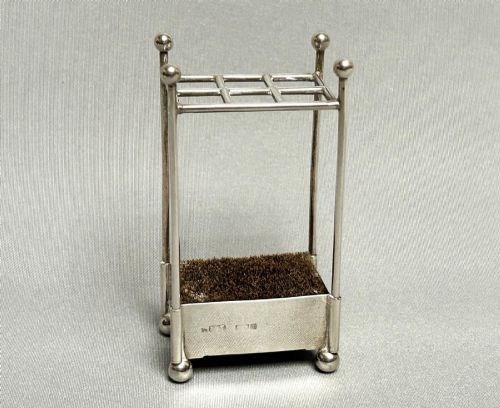
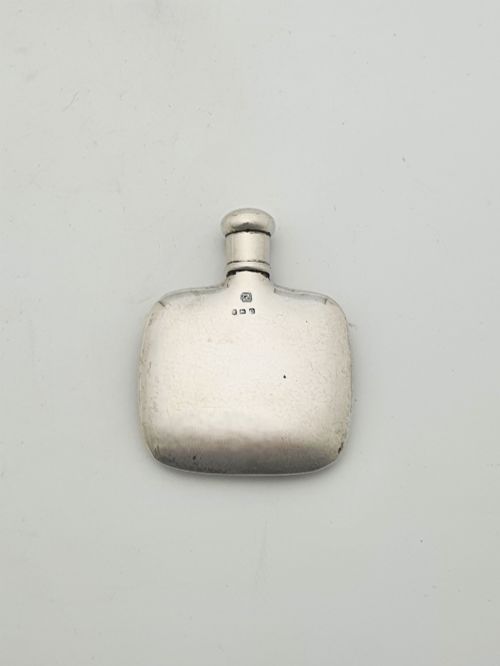
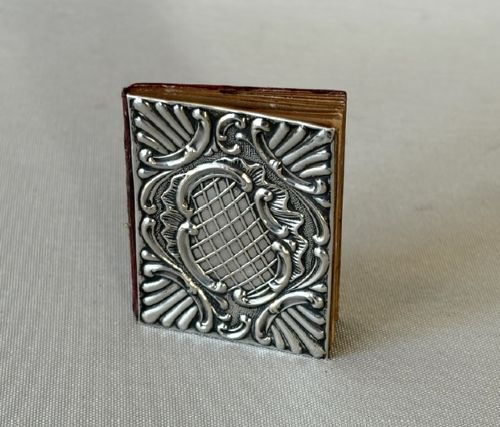
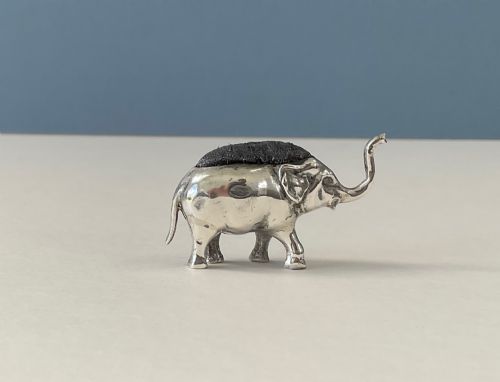
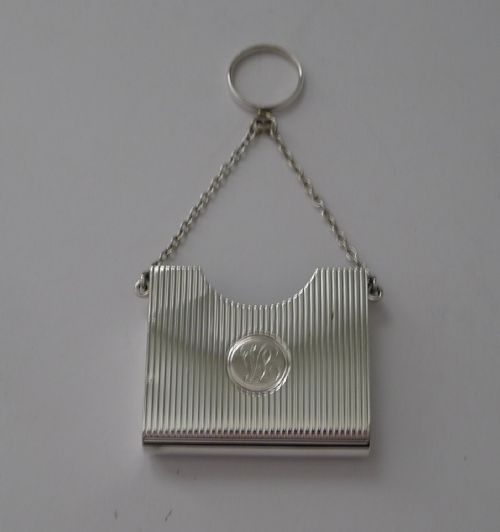
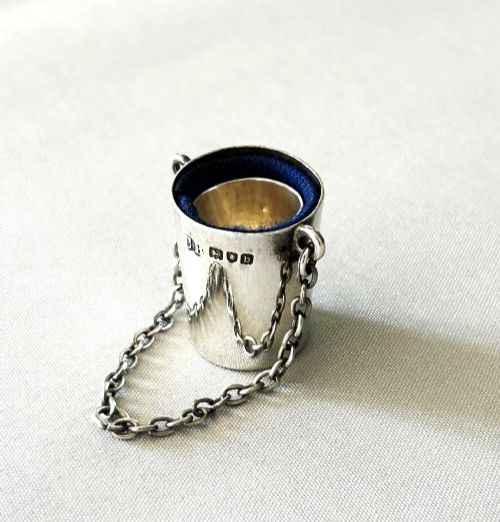
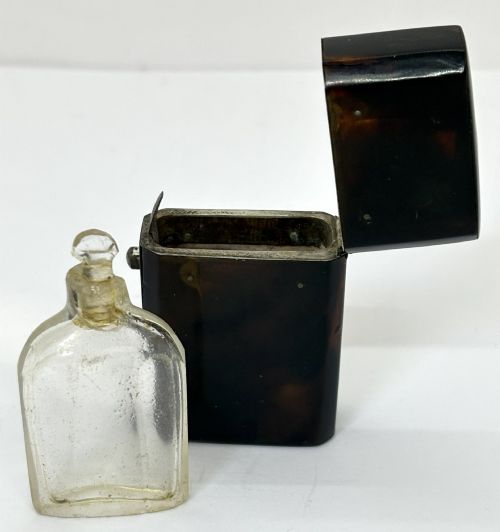
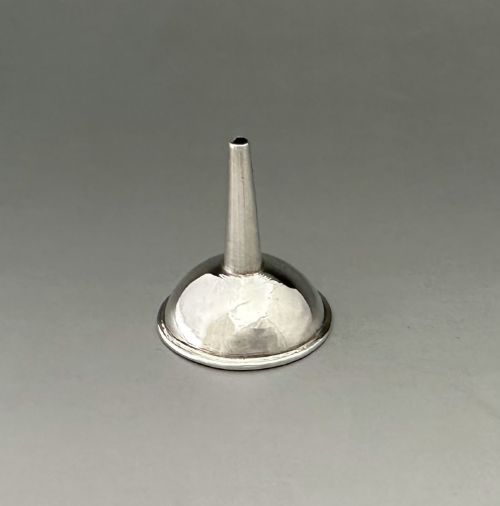
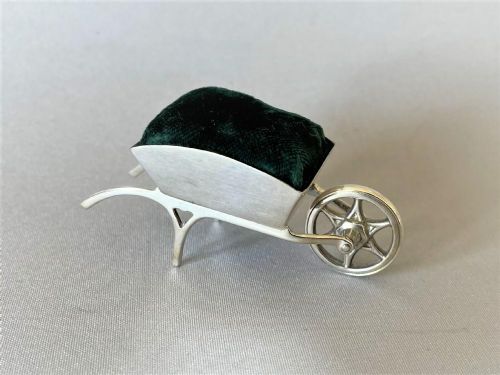
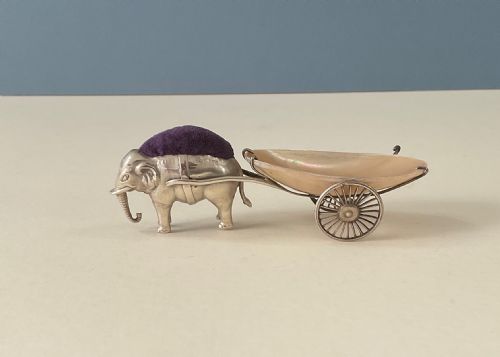
A miniature silver accessory encompasses small-scale items designed for daily utility, personal grooming or desktop amusement. When you browse this selection, you encounter forms that span charming pin cushions shaped as animals and wheelbarrows, alongside folding tapersticks and scent bottle holders.
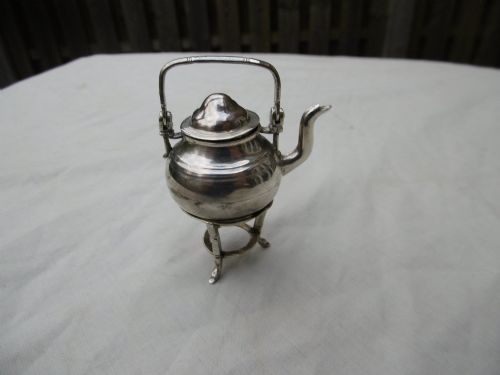
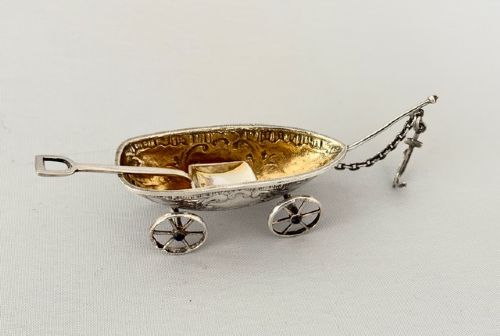
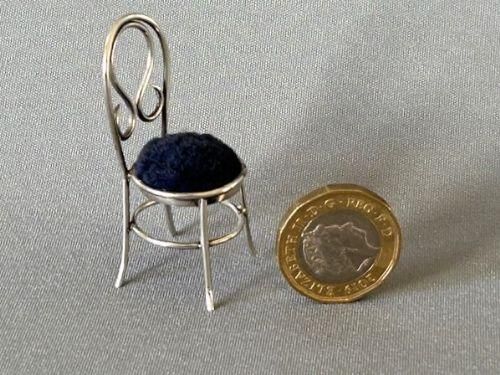
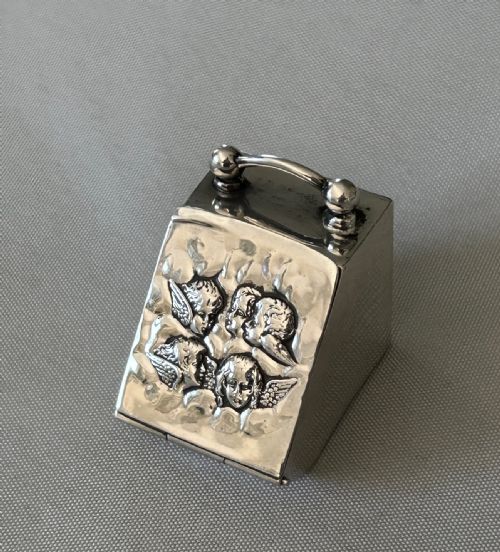
The pieces on this page originate across the Georgian, Victorian and Edwardian periods, stretching into the mid-twentieth century. Novelty items dominate the selection, capturing Victorian and Edwardian taste for whimsical silver models of everyday objects like coal scuttles, trunks and chairs.
Functional pieces sit alongside playful novelties, including pocket calendars, hand mirrors and prayer book holders. Each item demonstrates how silversmiths compressed full-sized domestic furnishings into delightful cabinet-sized ornaments.
Materials and construction
Makers shaped sterling silver and Old Sheffield plate alongside copper, utilising pressing, casting and detailed hand-chasing to achieve miniature forms. Internal structures often incorporate organic materials like wood, leather, paper and velvet to support delicate metalwork or cushion pins.
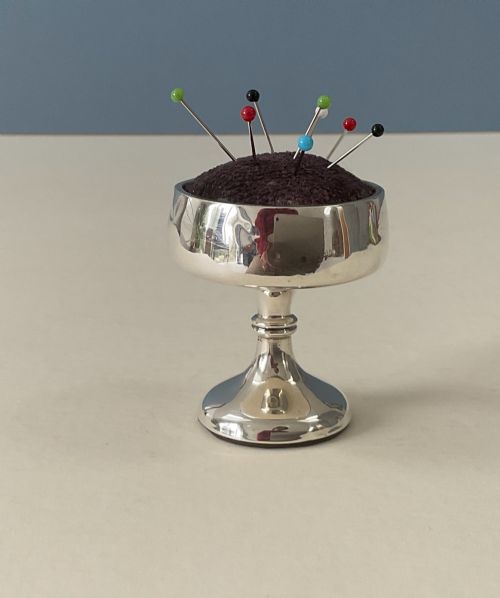
Novelty pin cushions combine solid silver frames with fitted velvet inserts, while folding pieces rely on precise hinges and tiny pins to function smoothly. Engraving and enamel add surface pattern to matchbooks, mirrors and presentation chairs.
Miniature Silver Accessory Retail Price Guide 2026
Typical asking prices for miniature silver accessory among the pieces listed under this phrase on Sellingantiques today, from the lower quarter to the upper quarter. They describe what is for sale here now, not the wider market.
Listings feature items from the Georgian, Victorian, Edwardian and mid-twentieth-century periods, alongside Old Sheffield plate and copper examples.
Quality and execution
Maker marks, town assay stamps and date letters stamped sharply into the metal separate high workshop standards from anonymous production. The complexity of the mechanism, such as folding tapers or working wheels on miniature vehicles, elevates the accomplishment of the piece.
John Reilly·Sampson Mordan
The Miniature Silver Accessory Glossary
- Sterling silver
- A silver alloy containing 92.5 percent pure silver and 7.5 percent other metals, usually copper, chosen for strength in small objects.
- Novelty silver
- Silver items shaped playfully to resemble familiar animals, vehicles or household objects rather than traditional forms.
- Old Sheffield plate
- A composite material made by fusing a thin sheet of silver to a thicker copper base, common in earlier functional items.
- Pin cushion
- A small padded container or sculptural form designed to hold sewing pins, frequently styled as animals or furniture in silver ranges.
- Assay mark
- A stamped symbol indicating the purity of the metal, the place of testing and the year of manufacture.
- Taperstick
- A miniature candlestick designed to hold a thin wax taper for melting sealing wax on letters.
Miniature Silver Accessory: Frequently Asked Questions
What is a miniature silver accessory?
These items are small-scale decorative and functional objects fashioned from sterling silver or plate, often designed as whimsical novelties or pocket-sized tools.
They reflect the domestic habits and decorative tastes of past centuries, compressing everyday furniture and animals into collectible cabinet pieces.
How were silver pin cushions used?
Victorian and Edwardian households kept these decorative pin cushions on dressing tables, desks and sewing stations to store pins close at hand.
The novelty shapes provided a talking point for guests while serving a practical sewing function in the parlour or bedroom.
How do I date a silver miniature?
You determine the age by locating the hallmarks stamped on the silver, which reveal the assay office, metal standard and a specific year letter.
Stylistic details like Edwardian curves or Victorian naturalism also help assign items to broad nineteenth or twentieth-century periods.
Are these miniatures made of solid silver?
Most pieces on this page utilise solid sterling silver, though some earlier functional items employ Old Sheffield plate over copper bases.
Internal padding materials like velvet, wood or leather support the metal structures without altering the outer silver composition.