





Miniature Glass Bottle
A miniature glass bottle holds entire worlds, from tiny sailing ships to precious scents.
Miniature Glass Bottle
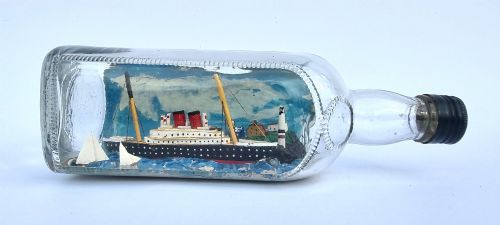
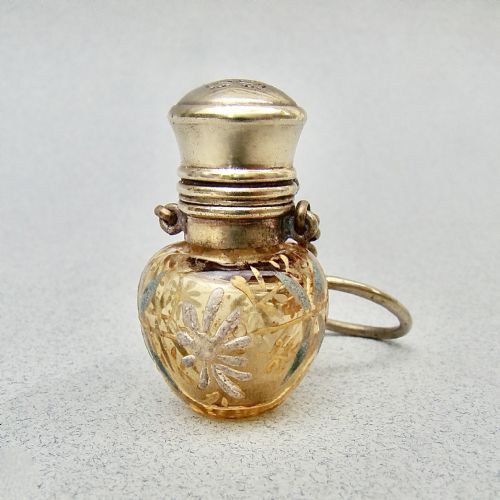
The objects span periods from the eighteenth century through the Victorian era to the early twentieth century, reflecting varied European origins. Maritime pieces feature model ships enclosed within glass, while personal accessories include silver-topped liquor flasks and chatelaine scent bottles.
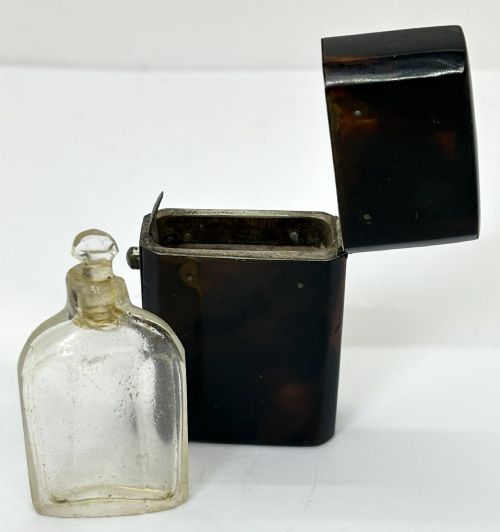
Folk art traditions emerge strongly through religious dioramas and Prisoner of War whimseys alongside structured campaign apothecary boxes housing original bottles. Each piece demonstrates how makers utilised small scale glass to preserve detailed scenes or substances.
Materials and construction methods
Makers shaped glass through blowing and moulding, frequently pairing the transparent medium with wood, cork, thread, paint, and putty to secure internal elements. Silver and gilded metal components often provide functional mounts, hinged caps, or decorative overlays.
Internal dioramas required considerable dexterity, as model ships and Calvary scenes were assembled through narrow necks using specialised tools and thread rigging. Tortoiseshell, enamel, and carved finials further augmented these miniature works with fine surface detail.
Clever sailors spent long voyages coaxing full-rigged three-mast ships through bottle necks no wider than a coin.
Assessing quality in miniature glass bottle examples
Quality rests upon the intricacy of internal construction and the preservation of original components such as stoppers, corks, and mounting plinths. Superior maritime models demonstrate precise rigging and proportional accuracy within restricted glass boundaries.
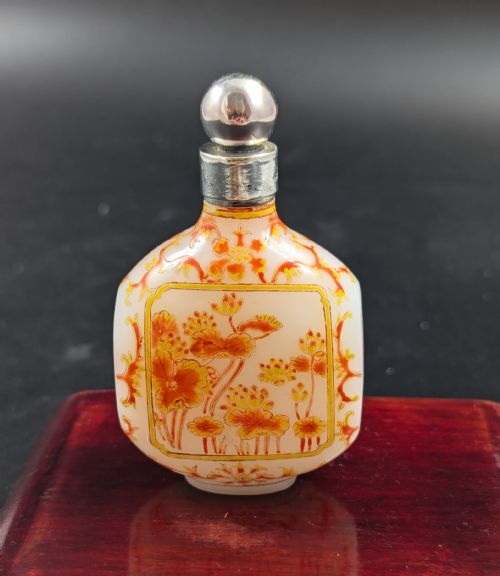
The refinement of exterior materials, including hand-painted enamel decoration, silver overlay work, and tortoiseshell framing, distinguishes standard utility containers from exceptional collector pieces. Originality of contents within fitted boxes or scent holders elevates the overall standard.
The Miniature Glass Bottle Glossary
- Diorama
- A three-dimensional scene constructed within a confined space. These examples enclose model ships or religious figures inside glass vessels.
- Chatelaine
- A decorative belt hook or clasp worn to suspend household or personal accessories. Scent bottles of this type hung from chains for easy access.
- Campaign apothecary box
- A portable fitted chest designed for travel. These contain miniature medicine bottles for field use.
- Overlay glass
- Glass featuring a secondary coloured layer cut away to create contrasting patterns. Victorian scent bottles frequently utilise this technique.
Miniature Glass Bottle: Frequently Asked Questions
What is a miniature glass bottle?
A miniature glass bottle is a small vessel designed either to hold liquids like perfume or liquor, or to encase complex miniature dioramas and folk art models.
These pieces reflect domestic, maritime, and religious traditions across the eighteenth, nineteenth, and early twentieth centuries.
How did ships get inside a glass bottle?
Makers constructed model ships with hinged masts and rigging that folded flat to pass through the narrow neck of the bottle.
Once inside, pulled threads raised the masts into position and secured the vessel upon a wooden base or putty sea.
How do I date a miniature glass bottle?
Dating relies upon examining the manufacturing technique of the glass, the style of any metal mounts, and the materials used for internal components.
Victorian pieces often feature silver overlay, whilst campaign boxes and folk art dioramas carry specific period construction traits.
Were scent bottles used daily?
Scent bottles served as personal accessories for carrying refreshing fragrances during periods when odours were unpleasant.
Finer versions mounted to chatelaines or housed in tortoiseshell holders functioned as status items for well-to-do owners.
What materials are found inside these bottles?
Internal scenes utilise wood, thread, paint, putty, and carved elements to build detailed maritime or religious tableaus.
Containers may also retain original corks, glass stoppers, or miniature apothecary contents.