






Miniature Display Cabinet
A miniature display cabinet sits on a table or counter, holding tiny treasures where they catch the light.
Miniature Display Cabinet
A miniature display cabinet brings the presence of large furniture down to a tabletop scale. When you search for a miniature display cabinet, you encounter pieces designed to house small collections and curiosities rather than full-sized household goods.
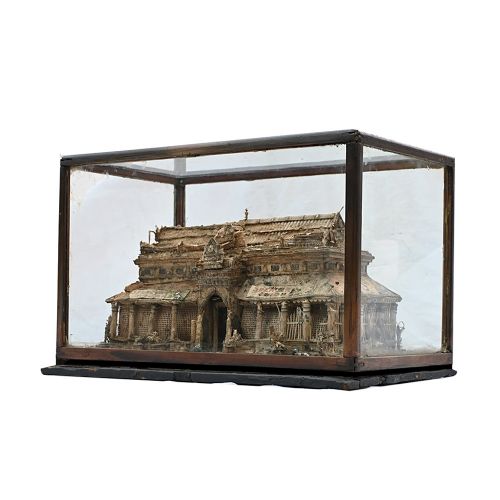
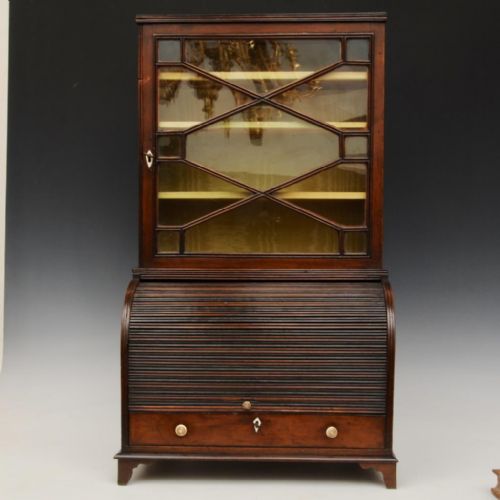
The versions most commonly met on this page date from the nineteenth century, including Victorian examples and French Louis XV style pieces. These range from table-top vitrines and cylinder desks to specimen storage units and table-top credenzas.
Makers of the period adapted architectural styles such as Rococo Revival, Sheraton Revival, and French Chateau designs for these compact items. They serve the same purpose as their full-sized counterparts, providing secure glazing or drawers to protect fragile objects.
Materials and construction
Cabinet makers utilised dense hardwoods such as mahogany, satinwood, burr walnut, and kingwood as the primary carcase materials. These woods provided a stable foundation for intricate veneering and polished surfaces.
Glazing and metalwork define the construction, incorporating clear glass panels held by brass frames, alongside ormolu mounts and porcelain plaques. Interiors often lined with silk damask completed the presentation of the contents.
Miniature Display Cabinet Retail Price Guide 2026
Typical asking prices for miniature display cabinet among the pieces listed under this phrase on Sellingantiques today, from the lower quarter to the upper quarter. They describe what is for sale here now, not the wider market.
Judging quality
Quality rests in the precision of the timber selection and the integration of decorative mounts. Finer pieces employ figured veneers like burr walnut or satinwood with careful grain matching across the doors and drawers.
The refinement of the metalwork separates standard items from the best examples. Cast ormolu mounts and well-fitted brass hinges show the hand of a skilled workshop rather than mass production.
Edwards & Roberts
The Miniature Display Cabinet Glossary
- Vitrine
- A glass-fronted cabinet designed for displaying fine objects or curiosities. These pieces often feature glass on multiple sides to let light reach the contents from different angles.
- Ormolu
- Gilt bronze mounts applied to furniture for decoration. The technique involves creating finely cast bronze details finished with gold gilding.
- Specimen cabinet
- A specialised storage unit containing multiple shallow drawers for natural history or coin collections. Each drawer protects delicate items from dust and light.
- Satinwood
- A pale, lustrous timber from tropical trees used for fine cabinet-making. It provides a bright contrast when inlaid into darker woods like mahogany.
Miniature Display Cabinet: Frequently Asked Questions
What fits inside these cabinets?
These cabinets suit small collectibles, medals, minerals, and porcelain figures. The shelves and drawers organise delicate items that would clutter a larger surface.
Larger table models accommodate silver collectables or miniature models, while drawer units hold flat items like coins or geological specimens.
How do I place one at home?
Place a table-top cabinet on a sturdy desk, sideboard, or chest where the viewing height suits the eye. Ensure the piece sits away from direct sunlight to protect interior fabrics and wooden veneers.
Because these cabinets are compact, they fit well in rooms with limited floor space while still offering storage for small collections.
How do I date a Victorian cabinet?
Examine the timber preparation, secondary woods, and construction methods used inside the drawers and carcase. Hand-cut dovetails and older screw types point towards nineteenth-century production.
Stylistic cues such as Rococo Revival curves or Sheraton Revival inlay also help narrow down the decade of manufacture within the Victorian era.
What is a sedan vitrine?
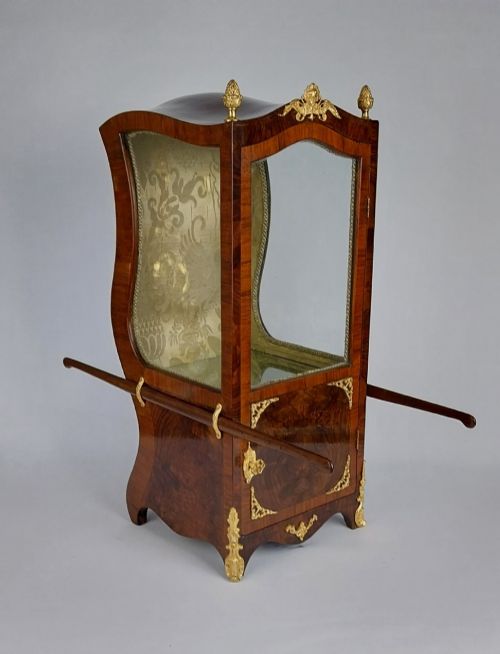
A sedan vitrine mimics the enclosed shape of an eighteenth-century sedan chair adapted into a glass-fronted display case. These French-influenced pieces often incorporate glazed panels and elaborate metal mounts.
They were designed to sit on tables, offering a decorative profile that breaks away from standard rectangular cabinet shapes.