


Miniature Country Chair
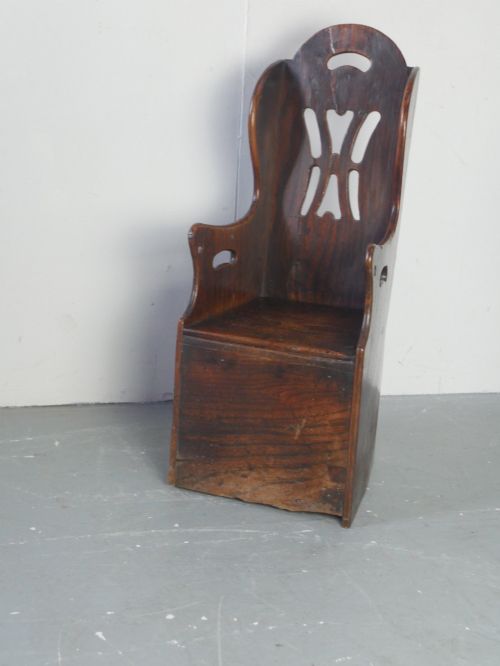
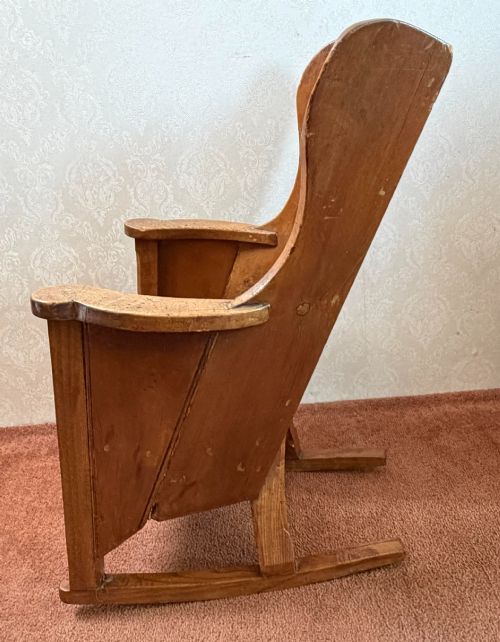
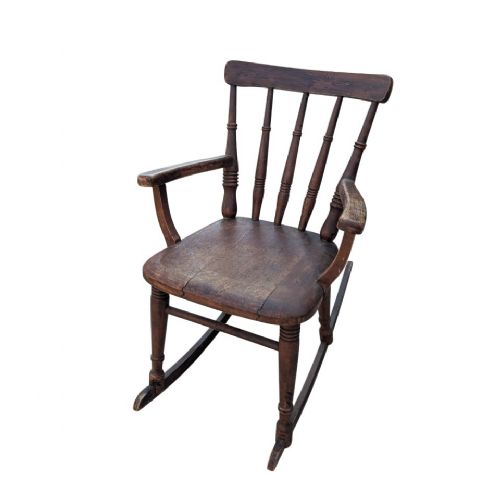
These miniature country chair examples are scaled-down vernacular seats fashioned for children or display, offering timeless rustic charm and traditional cabinet-making in compact forms.
Miniature Country Chair
The material palette focuses on domestic timbers including elm, ash, oak, and yew, often paired with rush seats or solid wooden planks. Pieces span the Georgian and Victorian eras, alongside early twentieth-century examples maintaining traditional construction methods.
Formations range from simple spindle backs and commode chairs to low settees and crinoline stretcher Windsors. These items demonstrate the same turning and bending techniques found in full-sized vernacular furniture, adapted specifically for smaller occupants.
Factors determining quality
Quality rests in the proportion and fidelity of the scale, distinguishing purpose-built children's seating from hasty down-scaled novelties. Finer examples display well-figured timbers, balanced Windsor hoops, and well-turned legs rather than clumsy proportions.
The integrity of the timber and originality of components dictate value among vernacular items. Replacement spindles, severe shrinkage cracks, or mismatched elements detract from the historical cohesion of an antique piece.
Elm seats often show the distinct indentation of generations of small occupants who sat by the fire.
The Miniature Country Chair Glossary
- Windsor chair
- A wooden chair featuring a solid sculpted seat into which the legs and back spindles are directly socketed. This form relies on sturdy underframing for stability.
- Crinoline stretcher
- A bentwood stretcher curved in a horse-shoe shape that links the legs of a Windsor chair together. It provides structural rigidity and often dates earlier pieces.
- Wainscot armchair
- A heavy wooden chair constructed from panels, popular during earlier centuries and translated into smaller decorative versions later on. These feature solid back panels and armrests.
- Vernacular furniture
- Domestic items made by local tradesmen and rural joiners rather than urban cabinet-makers. These pieces prioritize practical utility and regional material availability.
Miniature Country Chair: Frequently Asked Questions
What were miniature country chairs used for?
These small seats served as functional furniture for children within the domestic household, allowing youngsters to sit at table height or by the hearth.
Some examples also functioned as display items or apprentice pieces demonstrating a cabinet-maker's skill to prospective patrons.
How can I date an old child's chair?
Dating relies on observing tool marks, timber choice, and structural construction details that align with known historical periods. Georgian and Victorian examples exhibit distinct turning styles and joinery methods.
Wear patterns on the footrests and seat surfaces also indicate the age and intensity of early domestic use.
Are these chairs safe for children to use?
While originally built for daily juvenile use, antique chairs often possess delicate historical joints and aged timbers that require careful consideration. Many collectors now treat them as decorative display pieces rather than nursery seating.
Assessing structural stability with a professional conservator helps determine if light modern use remains appropriate.