

Miniature Art Frame
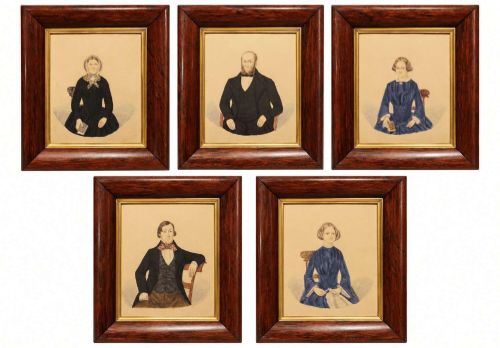
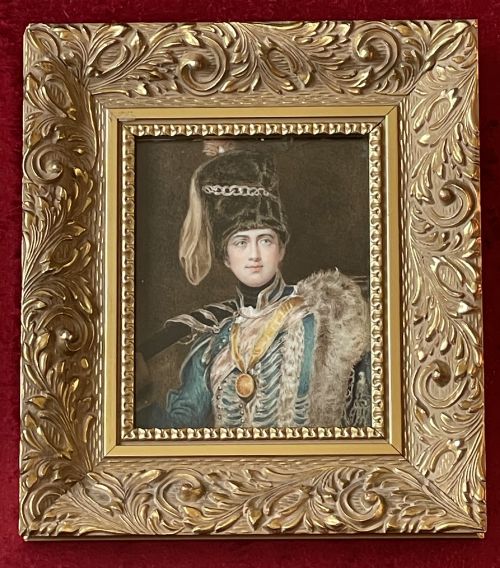
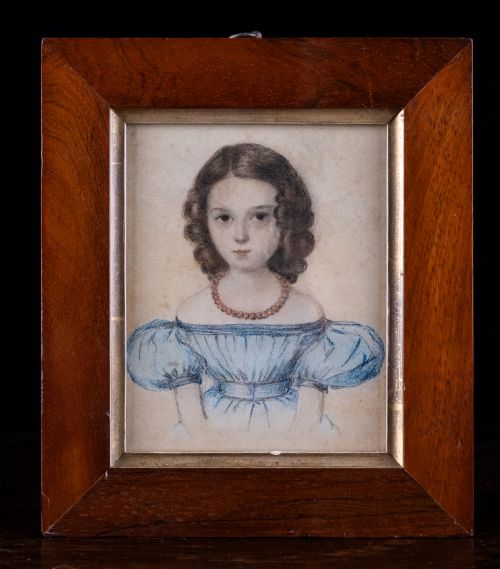
Miniature art frame housings hold intimate watercolours, silhouettes, and porcelain plaques produced across Georgian, Regency, and Victorian eras.
Miniature Art Frame
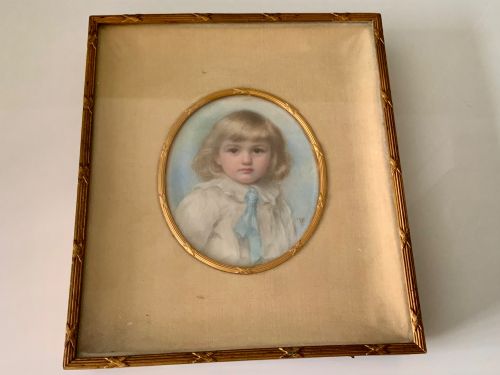
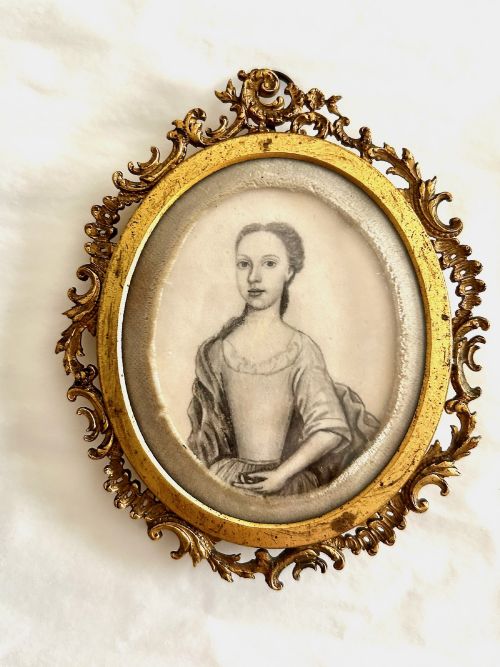
A miniature art frame encloses small-scale works on paper, ivory, porcelain, and glass, preserving delicate historical likenesses and devotional scenes. These small enclosures protect fragile painted surfaces that require close viewing to appreciate the precision of the artist.
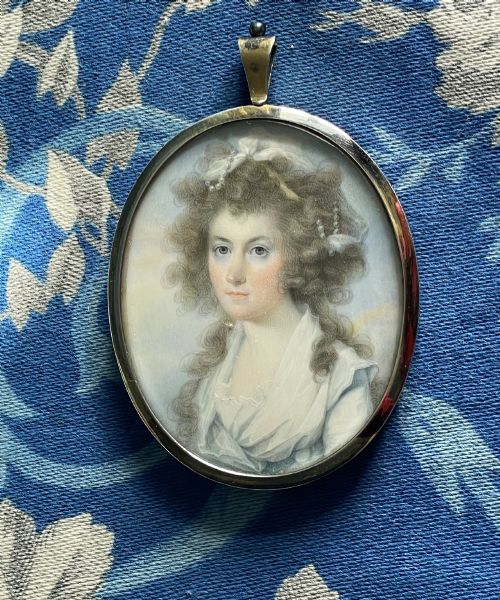
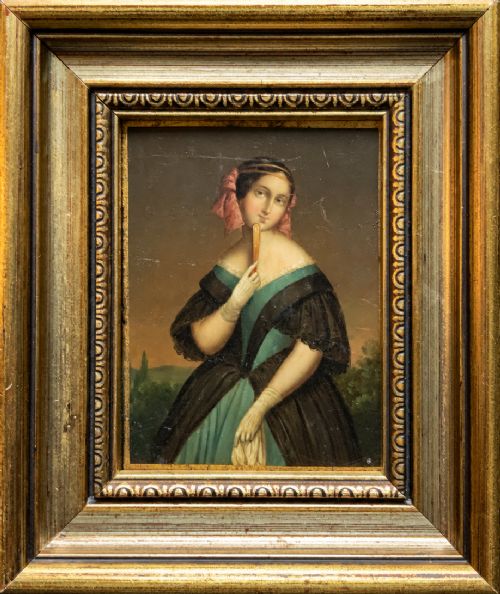
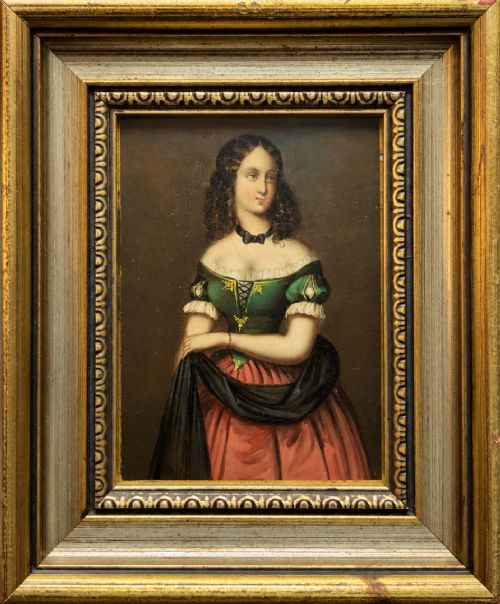
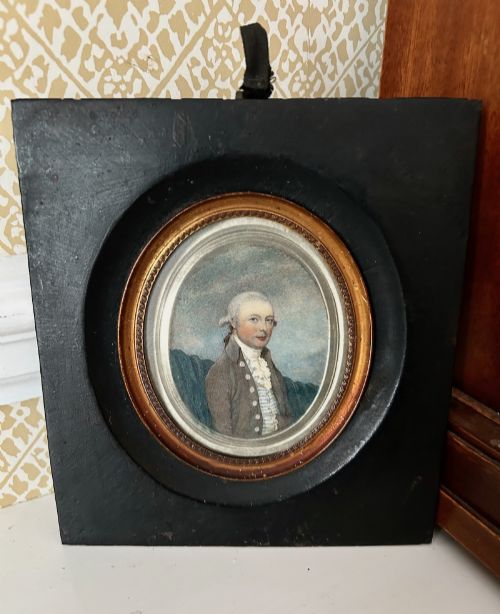
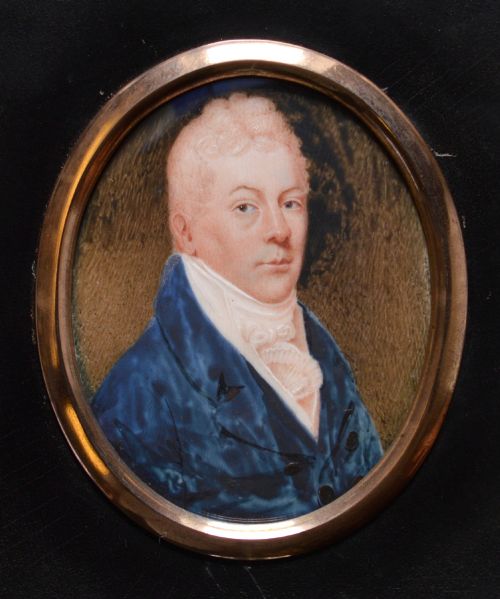
The selections encountered here span the eighteenth and nineteenth centuries, including Georgian, Regency, and Victorian periods. Most examples house portrait miniatures, silhouettes, or small plaques created by British, French, and German schools.
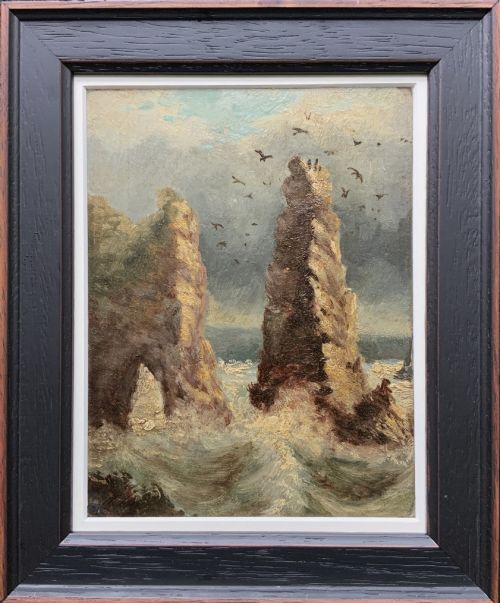
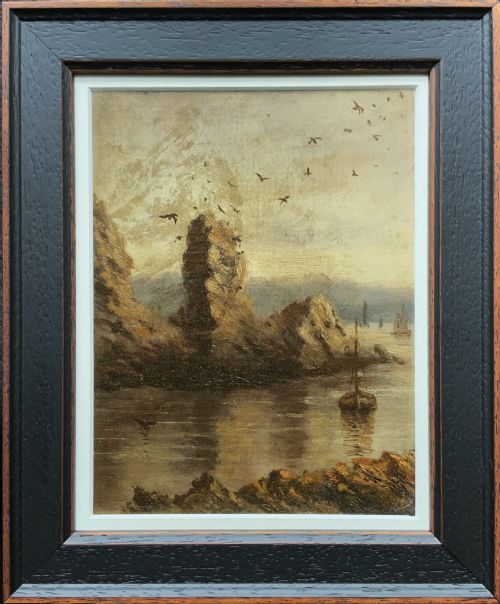
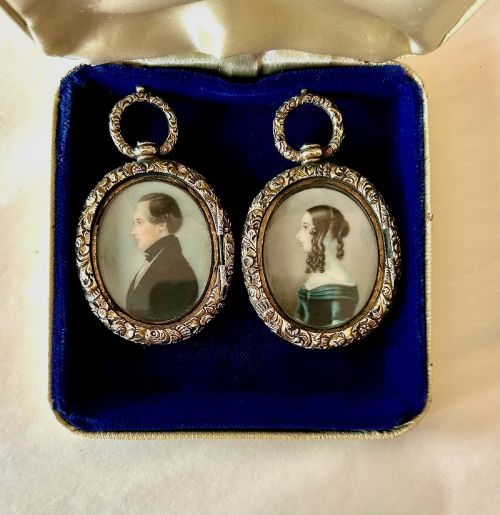
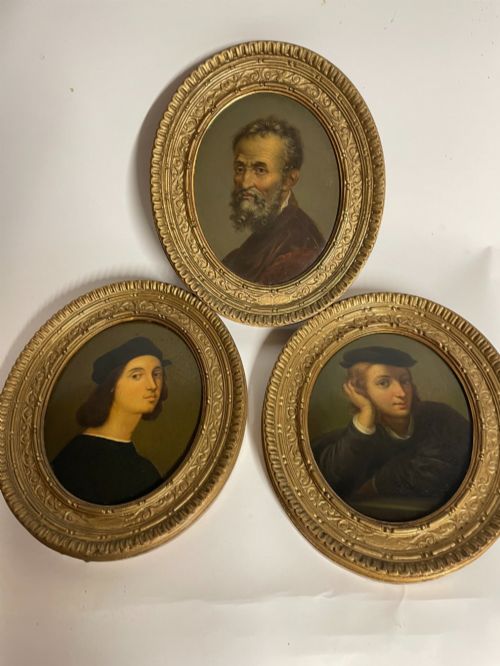
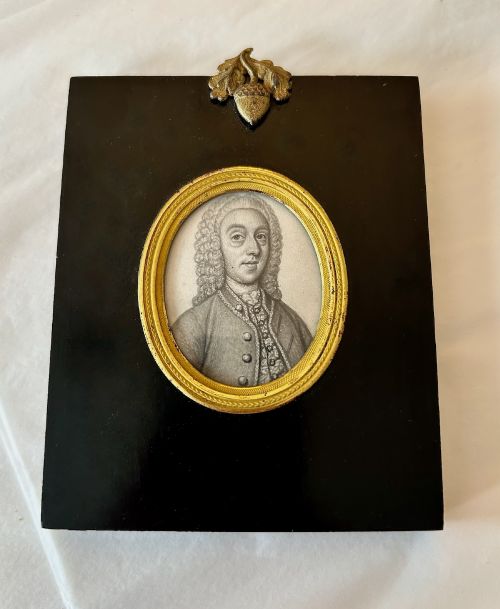
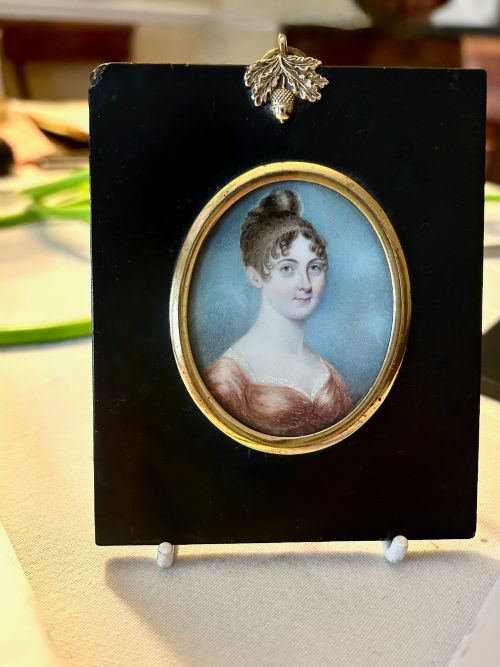
Framed pieces take the form of oval pendants, wall plaques, and square or circular hanging works. Brass, ebonised wood, and gilt metal serve as the primary borders for these portable compositions.
Materials and Construction
Makers utilised wood, brass, and gilt metal to construct sturdy surrounds that often incorporated protective glass frontages. Ebonised timber provided a dark contrast for silhouettes cut from paper or painted directly on glass.
Watercolour pigments, ink, and enamel were applied to paper, ivory, or porcelain plaques before being secured within the surrounding metal or wooden border. Reverse painting on glass required precise brushwork executed in mirror image.
Frames frequently integrated suspension loops or rear stands fashioned from matching metals to allow both wall display and desk placement.
Miniature Art Frame Retail Price Guide 2026
Typical asking prices for miniature art frame among the pieces listed under this phrase on Sellingantiques today, from the lower quarter to the upper quarter. They describe what is for sale here now, not the wider market.
Listings feature works across the Georgian, Regency, and Victorian periods, utilising watercolour, paper, glass, and brass.
Distinctions in Quality
The construction of the surrounding mount also indicates quality, with heavier cast brass, securely fitted bezels, and original convex glass holding higher value than later replacements. The preservation of the backing materials and any maker inscriptions adds context to the piece.
Frederick Buck·William James Hubard·James Sharples·Horace Hone·Charles Shirreff·Augustin Edouart·Richard Cosway
The Miniature Art Frame Glossary
- Portrait Miniature
- A small-scale painting executed with fine detail, typically on ivory, vellum, or paper. These portable likenesses became popular in the eighteenth and nineteenth centuries.
- Silhouette
- A portrait profile cut from black paper or painted onto a card or glass ground. Named after Étienne de Silhouette, these shadows capture distinct facial outlines.
- Reverse Painting on Glass
- A technique where the artist paints directly onto the reverse side of a glass panel so the image is viewed through the front. This method creates a glossy surface finish.
- Ebonised Wood
- Timber treated with a dark stain or finish to imitate ebony. This material was frequently used for nineteenth-century frames to contrast with gilt accents.
Miniature Art Frame: Frequently Asked Questions
How were miniature art frames displayed historically?
Owners placed these compact works upon dressing tables, desks, or mantelpieces where visitors could inspect them closely. Many also featured rings or loops for suspension from walls or wearing as pendants.
Portable designs allowed travellers to carry likenesses of family members during long journeys. The enclosed glass protected the delicate painted surfaces from dust and handling.
What materials make up these frames?
Common framing materials include cast brass, ebonised wood, and gilt metal configured into round, oval, or rectangular shapes. Protective convex glass usually covers the front of the artwork.
Backings often consist of turned wood, card, or velvet panels fitted with small metal pins or brackets to secure the contents.
How do I date a miniature art frame?
Dating relies on the style of the surrounding metalwork, the method of assembly, and the attire of the subject portrayed within. Georgian and Regency frames often favour slim brass bezels and oval profiles.
Victorian examples frequently introduce heavier ebonised timber mouldings and broader rectangular proportions. Clothing styles in portraits provide an accurate chronological benchmark.
Can these framed artworks hang on walls?
Many pieces feature integrated hanging rings or loops designed specifically for wall mounting. Their modest weight makes them suitable for grouping together in small gallery arrangements.
Display locations should avoid direct sunlight to protect fragile watercolours and pigments from fading over time.