




Miniature Apothecary Drawers
Miniature apothecary drawers are compact multi-drawer small-scale chests used for organising small objects, valued for their functional charm and dense compartmentalization.
Miniature Apothecary Drawers
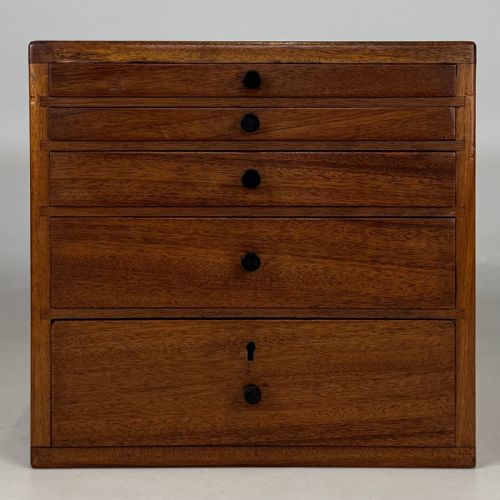
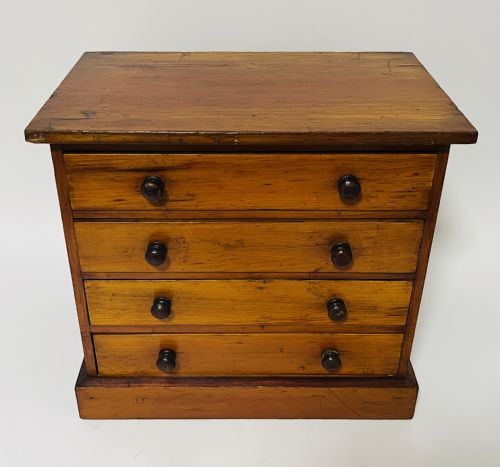
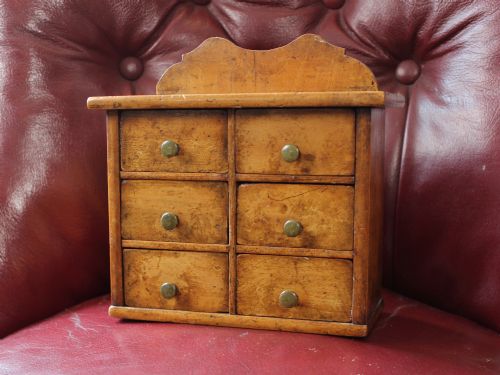
Miniature apothecary drawers encompass small-scale storage forms including spice cabinets, specimen cabinets, collector cabinets, and spice boxes. These pieces serve to house small goods and botanical or scientific collections within compact footprints.
The selections range across multiple historical eras, featuring examples from the early 18th century, the Georgian period, the 19th century, and the early 20th century up to the 1930s. Buyers frequently encounter tabletop chests, wall-hanging boxes, and flight of drawers configurations.
Origins and regional styles vary from English and Eastern pieces to rustic country and industrial utility designs. Dimensions remain small, intended for tabletops, walls, or counters rather than floor placement.
How they were made
Construction relies heavily on timbers such as pine, oak, mahogany, fruitwood, deal, and eastern elm, combined with brass pulls and glass elements. Cabinetmakers built these small storage units using traditional joinery suited to daily utility.
Surfaces appear in natural wood finishes or stained states, occasionally incorporating decorative elements or keys for security. Metal fittings such as brass handles and drawer pulls serve functional roles on wooden carcases.
Miniature Apothecary Drawers Retail Price Guide 2026
Typical asking prices for miniature apothecary drawers among the pieces listed under this phrase on Sellingantiques today, from the lower quarter to the upper quarter. They describe what is for sale here now, not the wider market.
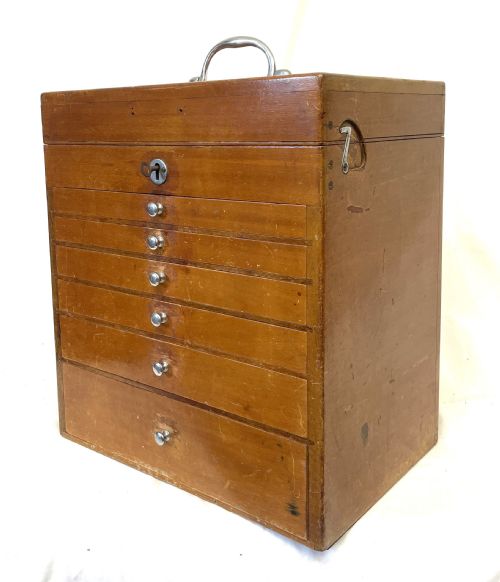
One twenty-eight drawer microscope slide cabinet provides twenty-eight separate hiding spots for twenty-eight very tiny things.
What varies in quality
Quality differentiates through the choice of timber and the complexity of internal arrangement, such as the density of drawers in microscope slide cabinets compared to simpler spice boxes. Finer pieces demonstrate meticulous joinery and thoughtful proportions across small scales.
Original hardware, intact glass panels, and well-preserved surface patinas elevate individual pieces. The distinction lies in whether the cabinet maintains its structural integrity and intended function over centuries of use.
The Miniature Apothecary Drawers Glossary
- Specimen Cabinet
- A small multi-drawer chest designed for housing natural history samples, minerals, or botanical collections. These interiors often feature numerous shallow drawers.
- Spice Cabinet
- A small wall-hanging or tabletop storage unit traditionally used for culinary herbs and spices. They typically comprise a cluster of small wooden drawers behind a door or within an open frame.
- Deal
- A softwood timber derived from pine or fir trees, commonly utilised in utilitarian cabinet making. It provides a pale, workable surface found on many regional chests.
- Flight of Drawers
- A set of small drawers arranged in a stepped or ascending sequence. This form maximises vertical storage in a narrow footprint.
Miniature Apothecary Drawers: Frequently Asked Questions
What were miniature apothecary drawers used for originally?
These small chests stored botanical ingredients, dried herbs, spices, or scientific samples in domestic and professional settings. Their numerous compartments kept delicate items separated and sorted.
Over time, collectors adapted them to house microscope slides, coins, or geological specimens, valuing the multitude of small partitions for organisation.
How do I date a miniature wooden cabinet?
Dating relies on examining timber species, construction methods, and hardware styles across periods like the Georgian era or the nineteenth century. Dovetail joints, wood shrinkage, and fastener types offer clues to age.
Stylistic markers such as bracket feet, cornice mouldings, or decorative paintwork also align pieces with specific historical eras from the eighteenth century onward.
Where should I place a small collector cabinet at home?
Tabletop cabinets suit the surfaces of desks, sideboards, or console tables where their detailed drawer fronts remain visible. Wall-hanging spice boxes attach securely to kitchen or hallway walls.
Because of their compact dimensions, they fit into small spaces while offering practical surface storage for everyday items.
What is the difference between a spice cabinet and a specimen cabinet?
Spice cabinets generally feature straightforward wooden drawers intended for kitchen or pantry use, sometimes enclosed by a small hinged door. They often display rustic country or utilitarian traits.
Specimen cabinets typically contain a higher count of very shallow drawers, built precisely to hold flat objects like microscope slides, insects, or geological samples.