

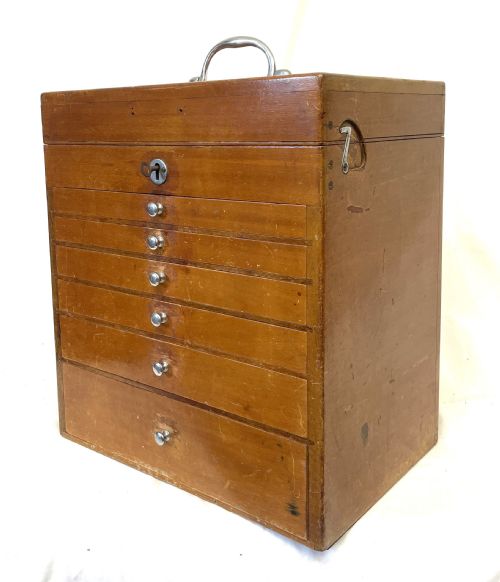


Miniature Apothecary Chest
These small wooden chests and cabinets, often sought as miniature apothecary chest examples, offer compact storage with exceptional period character.
Miniature Apothecary Chest
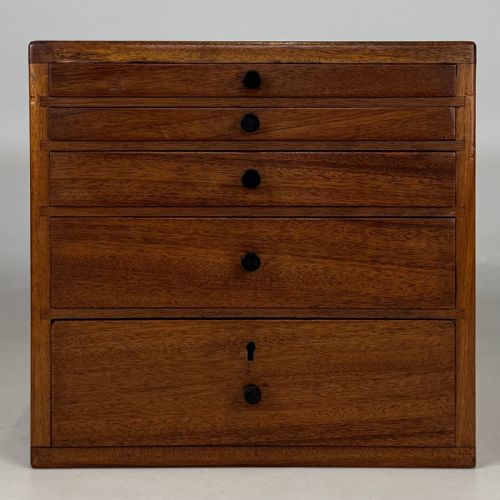
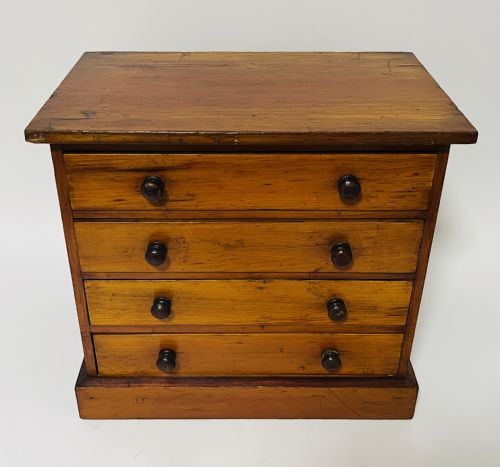
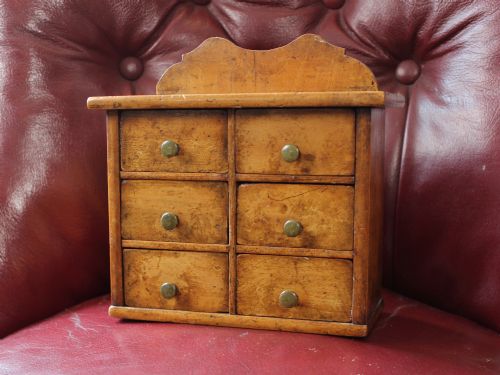
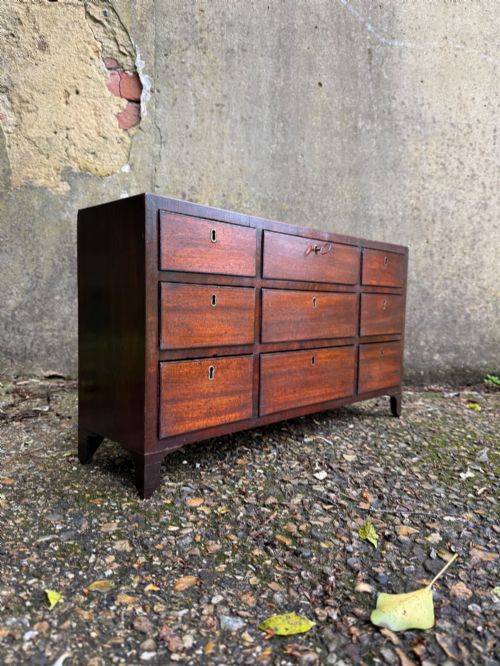
When you search for a miniature apothecary chest, you encounter compact tabletop and wall-hanging storage units designed for medicines, spices, or small specimens. These pieces appear in forms ranging from simple pine wall boxes to elaborate multi-drawer microscope slide cabinets.
The selections span several eras, drawing from 18th century Georgian designs through Victorian and Edwardian periods up to the 1930s. Materials vary from modest deal and pine to richer woods like mahogany, fruitwood, and oak, often featuring brass hardware.
Object types overlapping with this search include spice cabinets, specimen cabinets, flight of drawers, and campaign boxes. Origin points range from English workshops to eastern elm pieces.
How they were made
Constructed primarily from solid timbers like pine, oak, fruitwood, and mahogany, these small cabinets rely on traditional box and drawer joinery. Workshops utilised local softwoods and hardwoods to build sturdy frames capable of housing numerous small compartments.
Brass fittings such as drop handles, escutcheons, and hinges provide structural reinforcement and functional closure for doors and drawers. Glass appears in specific items like bottle sets and microscope slide storage, while stained finishes and decorated surfaces complete the exteriors.
Miniature Apothecary Chest Retail Price Guide 2026
Typical asking prices for miniature apothecary chest among the pieces listed under this phrase on Sellingantiques today, from the lower quarter to the upper quarter. They describe what is for sale here now, not the wider market.
Listings span pine, mahogany, oak, fruitwood, and elm, representing periods from early Georgian through to the 1930s.
What varies in quality
Quality differences emerge in the selection of timber and the complexity of the interior arrangement, such as a twenty-eight drawer configuration versus a simple six-drawer layout. Finer examples retain original brassware, working keys, and complete sets of internal glass bottles.
The precision of the drawer joinery and the presence of decorative detailing, such as early Georgian surface decoration, distinguish superior pieces from utilitarian boxes made in stained deal or plain pine.
The Miniature Apothecary Chest Glossary
- Specimen cabinet
- A small multi-drawer chest originally utilised for housing natural history collections, minerals, or botanical samples. These units feature shallow drawers designed to protect delicate items.
- Campaign box
- Portable furniture made for travel, typically fitted with flush brass handles and secure locking mechanisms. Apothecary versions contained glass bottles for medicines on the move.
- Flight of drawers
- A vertical stack of graduated small drawers housed within a single wooden carcass. This form provides organised storage for spices, small valuables, or medical supplies.
- Escutcheon
- A protective brass plate surrounding a keyhole. On these chests, it frequently incorporates a functional lock mechanism.
Miniature Apothecary Chest: Frequently Asked Questions
What were miniature apothecary chests used for?
These small chests stored medical ingredients, powders, and remedies for household or professional use. Their compartmentalised drawers kept delicate bottles and contents secure.
Over time, similar tabletop cabinets served collectors for organising spices, microscope slides, and small specimens.
How do I date a wooden spice cabinet?
Dating relies on identifying timber types, construction methods, and hardware styles associated with specific periods like the 18th century or Victorian era. Examining the drawer dovetails and backboards offers further clues to the manufacturing age.
Design motifs such as early Georgian decoration or Edwardian key escutcheons help narrow the production timeframe.
Can I hang these cabinets on the wall?
Certain variations, specifically wall hanging spice boxes, were built with brackets or flush backs for mounting. Other versions function purely as tabletop or campaign chests.
Checking the rear structure determines whether a particular piece suits wall placement or requires a stable surface.
Are original glass bottles common?
Original glass bottles survive in specific campaign or apothecary boxes, though many cabinets lost their internal glassware over generations of use. Finding a set intact adds notable interest to a piece.
Cabinets designed for microscope slides or dry specimens generally lack bottle storage entirely.