






Ming Dynasty Carving
Ming dynasty carving encompasses historic ritual objects and scholarly furnishings shaped by centuries of skilled craftsmanship.
Ming Dynasty Carving
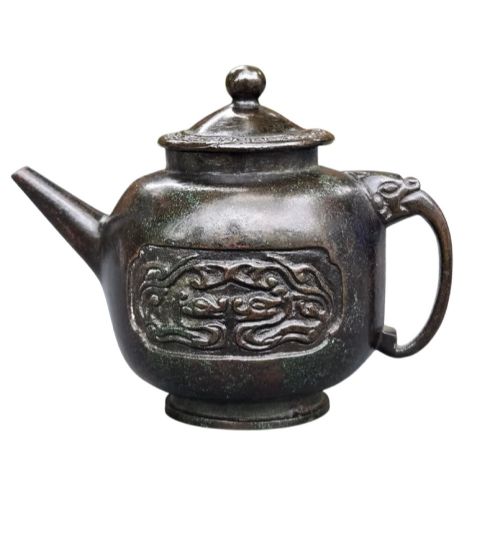
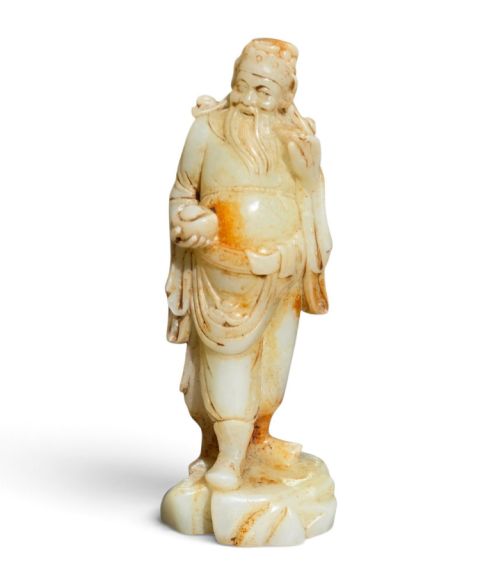
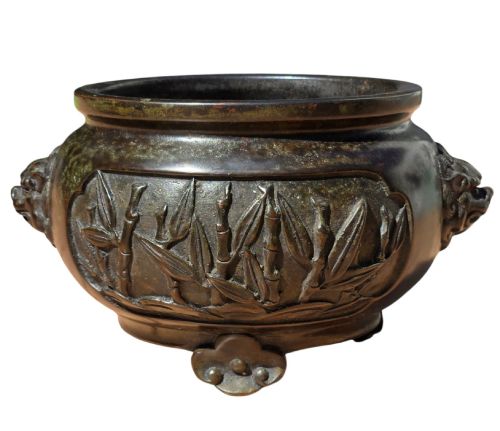
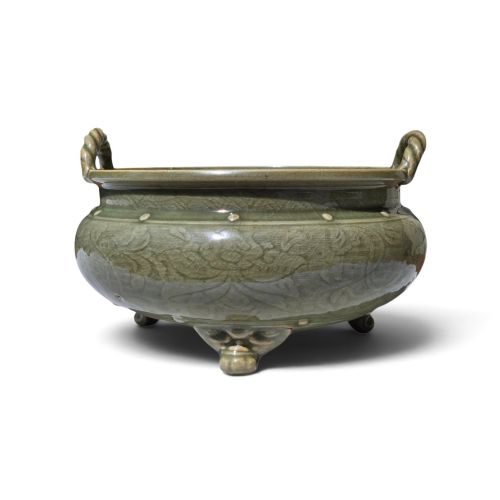
When you search for ming dynasty carving, you encounter a diverse array of historic items ranging from ritual vessels to scholarly accoutrements. The objects span centuries of production, with notable examples originating from the sixteenth and seventeenth centuries. You will frequently find cast bronze censers, carved jade figures, and substantial hardwood furniture pieces represented within this category.
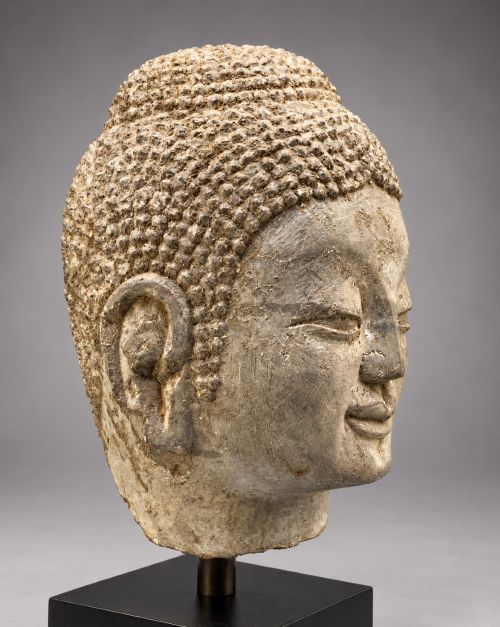
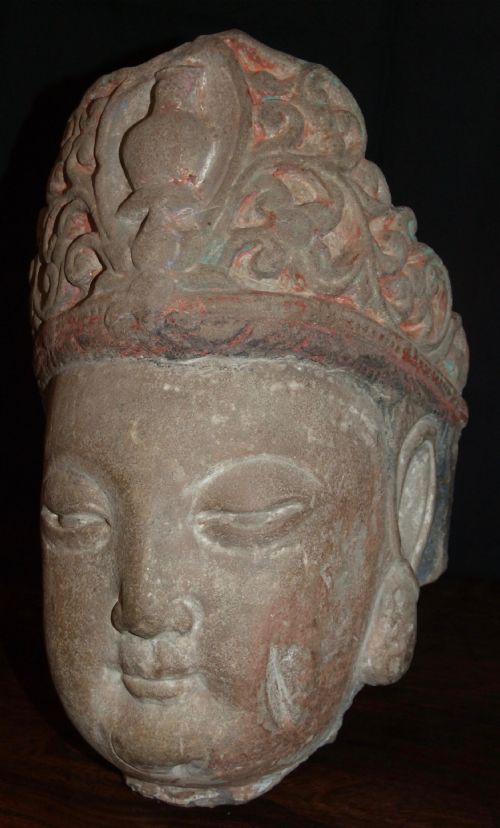
The material forms vary considerably across the selection, encompassing limestone and sandstone sculptural fragments alongside delicate scholar's water droppers. Many pieces reflect traditional Chinese aesthetic values, connecting domestic furnishings with religious and scholarly practices. These tangible survivals offer direct insight into historical workshop traditions and material culture.
Materials and Construction
The physical creation of these objects relies heavily upon durable natural materials such as cast bronze, limestone, sandstone, and dense hardwoods including zitan and huanghuali. Metal vessels utilise sophisticated casting techniques to achieve complex relief panels and sculptural lion masks. Woodworkers employ traditional joinery to construct low tables, benches, and architectural corbels without relying on modern fasteners.
Surface treatments enhance the primary materials through gilding, polychrome pigment application, or the incorporation of gold leaf. Jade and nephrite components demonstrate meticulous abrasive carving to shape smooth figural representations of immortals and deities. Artisans combine structural integrity with intricate surface ornamentation across both metalwork and woodwork.
Ming Dynasty Carving Retail Price Guide 2026
Typical asking prices for ming dynasty carving among the pieces listed under this phrase on Sellingantiques today, from the lower quarter to the upper quarter. They describe what is for sale here now, not the wider market.
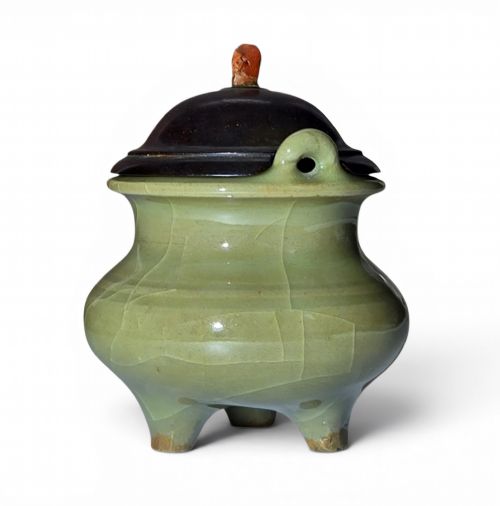
A miniature censer paired with an eighteenth-century zitan cover demonstrates how later owners lovingly adapted earlier treasures.
Assessing Quality and Execution
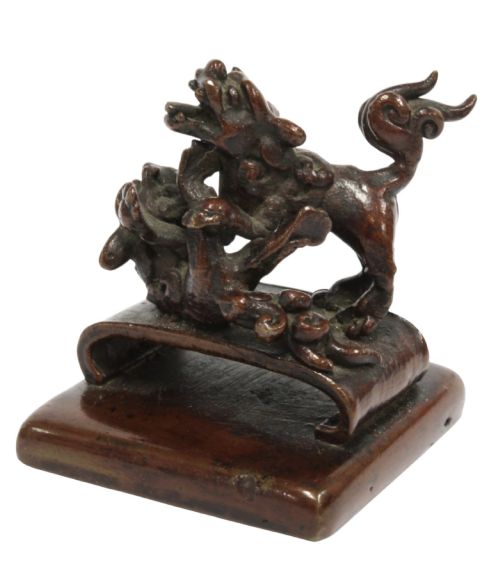
The standard of a ming dynasty carving depends upon the crispness of the casting or the precision of the hand-carved relief work. Superior examples display confident handling of form, whether rendering the musculature of a shishi on a bronze seal or the serene expression on a stone Buddha head. Inferior items often lack the sculptural definition and harmonious proportions seen in masterworks.
The preservation of original surface finishes, patination, and accompanying bespoke elements like zitan covers heavily influences the integrity of a piece. Materials selected by the maker, such as high-grade nephrite jade or exceptionally heavy cast bronze, set certain pieces apart from utilitarian alternatives. Expert execution transforms raw materials into sophisticated scholarly objects and temple furnishings.
The Ming Dynasty Carving Glossary
- Censer
- A vessel designed for burning incense during ritual or scholarly pursuits. These containers frequently take tripod forms or feature detailed bronze relief panels.
- Scholar's Object
- An item created for the study of a traditional Chinese literati member. These include water droppers, seals, and specialised desk accessories.
- Zitan Wood
- A dense, heavy hardwood prized for its dark colour and fine grain. Artisans utilise this material for bespoke covers, stands, and small furnishings.
- Celadon
- A ceramic or jade glaze exhibiting a pale green colour. This finish appears on historic vessels and ritual wares.
- Shishi
- A traditional guardian lion depicted in Chinese art. These mythical beasts frequently appear in sculptural metalwork and architectural carvings.
Ming Dynasty Carving: Frequently Asked Questions
What defines a ming dynasty carving?
A ming dynasty carving comprises objects produced during the Ming period or adhering closely to its established artistic traditions. These pieces include bronze ritual vessels, jade figures, and scholarly items.
Material authenticity and stylistic markers help distinguish authentic period pieces from later interpretations. The category encompasses both sculptural works and functional items intended for elite domestic or temple environments.
How were bronze censers used historically?
Bronze censers served primarily to burn aromatic incense within scholarly studies, temples, and ancestral halls. The rising smoke aided contemplation and created a refined atmosphere.
Many examples feature specific iconographic motifs, such as the three friends of winter, which held symbolic meaning for scholars. Their substantial weight ensured stability during ritual use.
What materials are common in these carvings?
Common materials include cast bronze, nephrite jade, limestone, sandstone, and dense hardwoods such as huanghuali and zitan. Artisans selected these durable substances for their ability to hold fine detail.
Surfaces are occasionally enhanced with gilding, polychrome pigments, or gold leaf. Each material requires distinct crafting techniques, from metal casting to stone and wood carving.
How do you care for historic wood furniture?
Historic wood furniture requires stable environmental conditions with controlled humidity to prevent timber movement. Avoid placing pieces near direct heat sources or in strong sunlight.
Regular dusting with a soft, dry cloth maintains the surface without introducing moisture. Professional conservation advice should be sought before applying any oils or waxes.