




Ming Blue and White
Ming blue and white pottery unites centuries of refined ceramic art, offering collectors iconic cobalt designs.
Ming Blue and White
When you search for ming blue and white, you encounter robust porcelain forms spanning centuries of Asian ceramic history. The inventory ranges from substantial chargers and deep punch bowls to delicate stem cups, brush washers, and bottle vases.
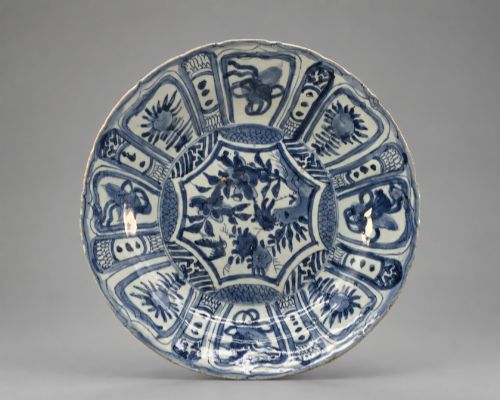
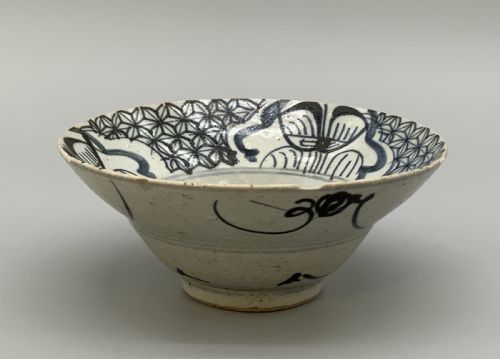
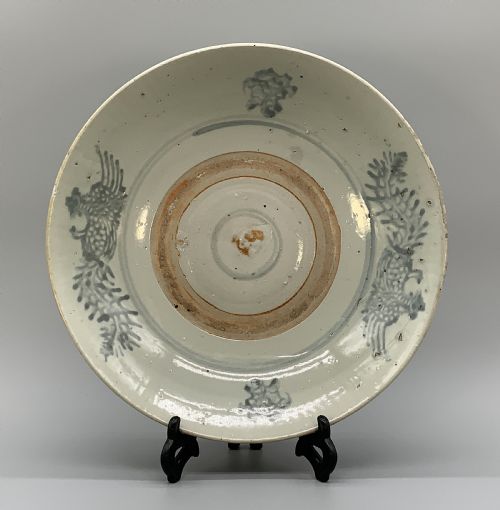
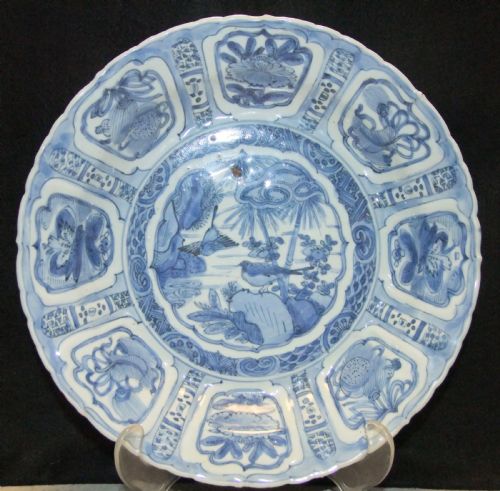
Kraak porcelain dishes and Swatow ware bowls dating from the sixteenth and seventeenth centuries frequently appear here. Pieces also extend into later periods, including nineteenth-century works and early twentieth-century revivals executed in Chinese Ming style.
What varies in quality
The clarity and depth of the cobalt blue pigment distinguish finer vessels from simpler production pieces. Precise brushwork in rendering dragons, phoenixes, or floral panels elevates the artistic merit of a bowl or charger.
Structural heft and the condition of the porcelain body, including the presence of historic kiln anomalies or well-preserved glazes, dictate the overall standing of each ceramic object.
Ming Blue and White Retail Price Guide 2026
Typical asking prices for ming blue and white among the pieces listed under this phrase on Sellingantiques today, from the lower quarter to the upper quarter. They describe what is for sale here now, not the wider market.
Buddhistic lions and five-clawed dragons peer out from underglaze cobalt, keeping watch over centuries of trade bowls and scholar's wash basins.
The Ming Blue and White Glossary
- Kraak porcelain
- Chinese export porcelain produced mainly during the Wanli period, characterised by panelled borders and central landscape or animal motifs. These dishes often feature thinly potted rims and resonant ceramic bodies.
- Swatow ware
- A type of coarse Chinese trade porcelain produced during the late Ming dynasty, typically comprising large chargers and bowls. They display vigorous underglaze blue painting applied to sandy, unrefined foot rings.
- Stem cup
- A drinking vessel raised upon a tall, slender foot instead of a flat base. This traditional form appears across multiple dynasties and sometimes incorporates Tibetan script or doucai decoration.
- Doucai
- A decorative technique combining underglaze blue outlines with overglaze ceramic enamels. Artisans fill in the cobalt borders with green, red, or yellow pigments during a secondary low-temperature firing.
- Bottle vase
- A ceramic vessel featuring a bulbous body and a narrow neck designed for holding single stems or liquids. Examples often showcase powerful imperial five-clawed dragons sweeping across the porcelain surface.
Ming Blue and White: Frequently Asked Questions
What is ming blue and white porcelain?
Ming blue and white porcelain refers to ceramic objects decorated with cobalt pigment beneath a transparent glaze, produced during the Ming dynasty and subsequent periods.
These pieces include utilitarian vessels, export wares, and imperial items showcasing botanical or figurative motifs.
How can I identify kraak porcelain?
Kraak porcelain is typically recognised by its distinctive compartmentalised border design, dividing the interior cavetto into segmented panels.
Such dishes and bowls frequently date to the Wanli period and were widely exported via maritime trade.
What was a brush washer used for?
A brush washer is a scholar's vessel designed for cleaning ink brushes during calligraphy and painting sessions.
These ceramic basins held water and often featured auspicious motifs like phoenixes and peonies.
How do I care for antique porcelain?
Antique porcelain requires gentle handling and should be kept away from sudden temperature fluctuations or abrasive cleaning agents.
Display vessels on stable surfaces and support the base when moving heavy chargers or punch bowls.