





Millinery Tool Display
These millinery tool display pieces bring authentic workshop character to a modern interior, offering striking sculptural forms born from practical hat-making.
Millinery Tool Display
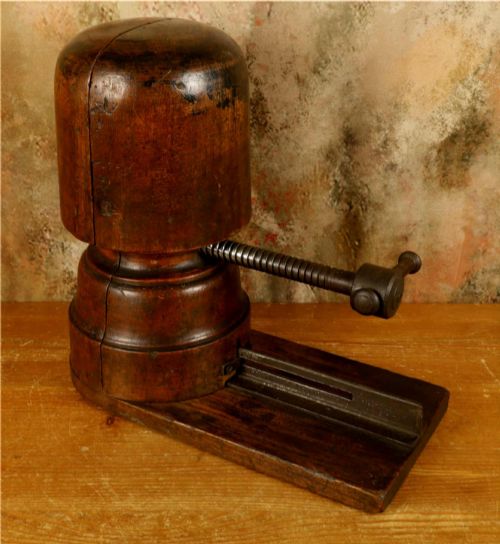
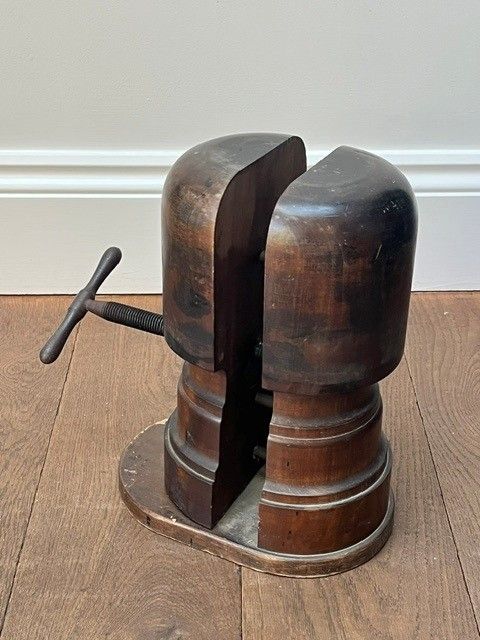
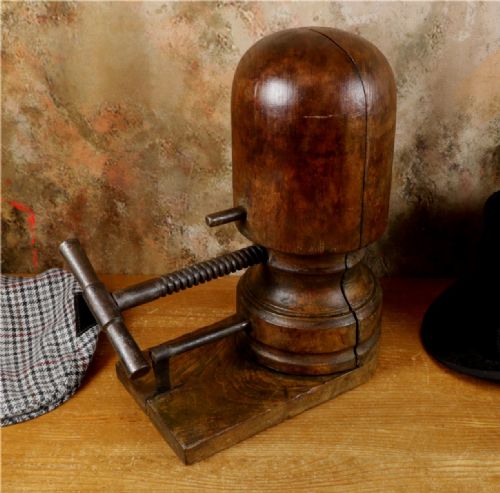
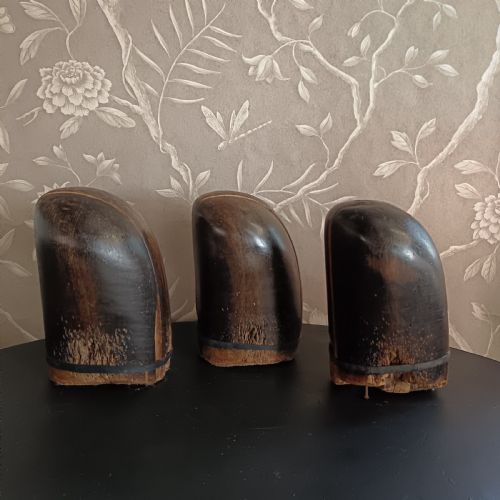
When you search for millinery tool display, you encounter functional objects once utilised by hat makers and hatters for shaping, stretching and sizing headwear. The selection on this page centres primarily on wooden and aluminium hat stretchers, blocks, forms and sizers originating from the nineteenth century up to the nineteen-twenties.
You will regularly find pieces categorized under industrial and traditional haberdashery styles, alongside French provincial and Victorian industrial examples. Hat stretchers and sizers with screw mechanisms or adjustable segments appear frequently alongside solid wooden blocks and cast metal moulds designed for specific military or civilian caps.
Materials and construction
The pieces recorded in these listings rely on robust hardwoods such as oak, walnut and fruit wood, shaped to withstand the pressure of stretching damp felt and straw. Turned wooden components provide smooth, curved surfaces necessary for forming crowns without snagging delicate fabrics.
Later twentieth-century examples incorporate cast aluminium and cast iron, utilising industrial casting methods to produce durable moulds numbered for specific hat sizes. Iron hardware, hinges and adjustment screws fasten the wooden sections together, combining metal engineering with traditional carpentry.
Millinery Tool Display Retail Price Guide 2026
Typical asking prices for millinery tool display among the pieces listed under this phrase on Sellingantiques today, from the lower quarter to the upper quarter. They describe what is for sale here now, not the wider market.
Listings span the nineteenth century through the nineteen-twenties, incorporating both traditional timber workshop items and mid-period cast aluminium moulds.
Judging the pieces
Quality in a millinery tool display piece rests upon the crispness of the turned wood and the integrity of any mechanical components. Finer examples display harmonious proportions and rich patination accumulated through decades of workshop use.
The distinction between standard utility items and superior pieces often lies in the complexity of the mechanism, such as multi-part expanding stretchers, or the rarity of specific forms like military bearskin cap blocks.
The Millinery Tool Display Glossary
- Hat block
- A solid wooden or metal form used by milliners to shape the crown of a hat. These objects form the sculptural core of most displays.
- Hat stretcher
- A mechanical device inserted into a hat to expand or maintain its size. They often feature wooden segments operated by a central screw thread.
- Haberdashery
- Items and tools associated with the trade of selling hats, textiles and sewing goods. This style descriptor encompasses many workshop display pieces.
- Millinery mould
- A hollow form, frequently cast in aluminium, used in pairs or sections to press hat materials. These provide a distinct industrial aesthetic compared to traditional timber blocks.
Millinery Tool Display: Frequently Asked Questions
What is a millinery tool display?
A millinery tool display comprises historical equipment used in hat making, repurposed as decorative objects for the home. These items include wooden stretchers, metal moulds and carved blocks.
Collectors and interior stylists value them for their strong sculptural silhouettes and authentic workshop provenance.
How were hat stretchers used?
Hat stretchers were placed inside the crown of a hat and adjusted via a central screw mechanism to gently expand the circumference. This ensured the finished headwear fit the wearer correctly.
In modern settings, they are typically displayed on shelves or tables to showcase their mechanical joinery and aged wood.
How do I date these pieces?
Dating relies on material composition, manufacturing techniques and stylistic clues recorded in the object's construction. Nineteenth-century examples generally feature hand-turned hardwoods and iron fixings.
Later pieces from the nineteen-twenties frequently introduce cast aluminium and numbered sizing stamps indicative of twentieth-century industrial production.
Are wooden and metal blocks different?
Wooden hat blocks and forms, often made from oak, walnut or fruit wood, offer warm textures and traditional craftsmanship. They reflect nineteenth-century workshop practices.
Aluminium moulds represent a later industrial shift towards durable, precision-cast metal equipment used in volume hat production.