





Milliner Tool
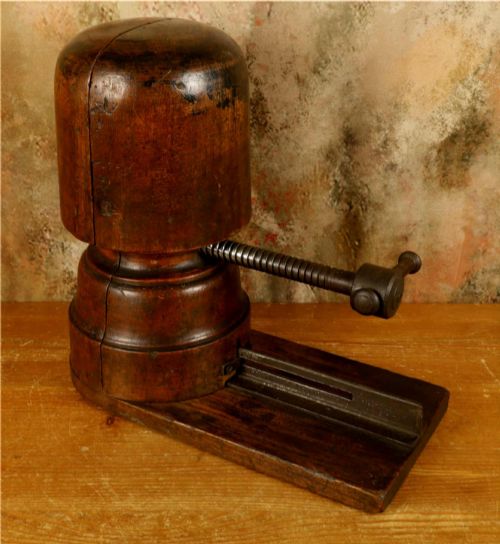
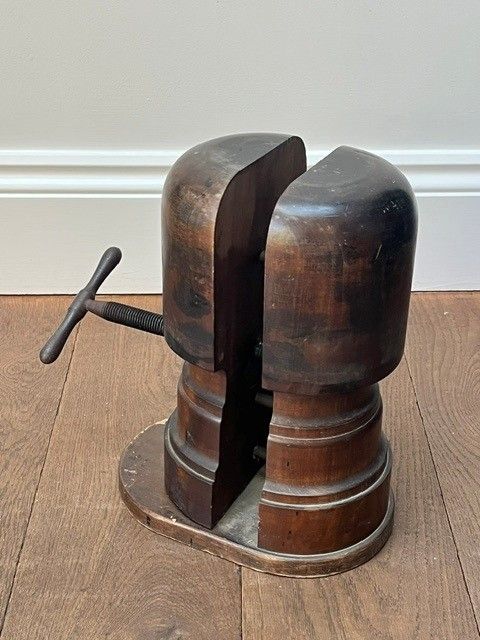
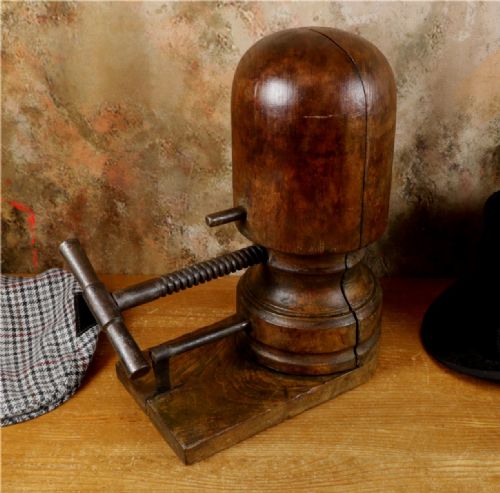
These milliner tool examples are solid hat stretchers, blocks, and moulds in wood and aluminium that bring genuine workshop character to any interior.
Milliner Tool
When you search for a milliner tool, you encounter functional workshop equipment designed for shaping and sizing headwear. The most common forms on this page are wooden hat stretchers, hat blocks, and cast aluminium moulds originating from the Victorian period through to the 1920s.
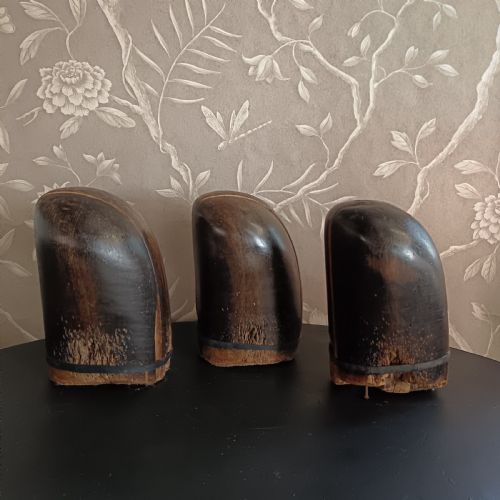
The inventory ranges from traditional oak and walnut specimens to industrial aluminium moulds and specialised forms used for military bearskin caps. These pieces served a strictly utilitarian purpose in hat making shops before finding a second life as decorative objects and shop displays.
How they were made
The wooden pieces rely on traditional hardwoods such as oak, walnut, and fruit wood, shaped and turned to endure the repeated pressure of stretching and forming hats. Joinery and turning techniques reflect the standard workshop practices of the nineteenth and early twentieth centuries.
Metal versions utilise cast iron and cast aluminium, poured into moulds to create durable, rigid forms for repetitive manufacturing tasks. These materials provided the necessary weight and stability for heavy-duty millinery work.
Milliner Tool Retail Price Guide 2026
Typical asking prices for milliner tool among the pieces listed under this phrase on Sellingantiques today, from the lower quarter to the upper quarter. They describe what is for sale here now, not the wider market.
Listings for this phrase span the Victorian era to the 1920s, featuring materials such as hardwood, oak, walnut, cast iron, and aluminium.
What varies in quality
Quality in these workshop pieces rests upon the integrity of the material and the clarity of the form. Hardwood examples with rich grain patterns and smooth, well-turned surfaces stand apart from simpler utility items.
The presence of maker marks, original mechanisms on stretchers, and the crispness of cast aluminium numbers influence the desirability of each piece. Wear that shows genuine workshop use adds character without compromising the structural form.
The Milliner Tool Glossary
- Hat block
- A solid form, typically carved from wood, used by hatters to shape the crown of a hat.
- Hat stretcher
- An adjustable mechanical tool used by milliners to expand the inner circumference of a hat.
- Millinery mould
- A hollow form, often made of cast aluminium, into which hat materials are pressed or shaped.
- Haberdashery
- Items and tools associated with the trade of dealing in small articles of dress and hat making.
Milliner Tool: Frequently Asked Questions
What is a milliner tool used for?
These pieces were originally utilised in workshops for manufacturing, sizing, and altering hats of various styles. Milliners relied on wooden blocks and metal stretchers to achieve precise head sizes and maintain crown shapes during construction.
Today, collectors repurpose these items as sculptural display pieces or wig stands in domestic interiors.
How do I date a wooden hat block?
Dating relies upon identifying the timber species, tool marks, and general construction methods consistent with nineteenth-century or early twentieth-century carpentry. Oak, walnut, and fruit wood pieces often display patination and wear patterns indicative of age.
Comparing the form to documented haberdashery equipment helps narrow down the decade of production.
Are aluminium hat blocks authentic?
Cast aluminium moulds appeared in workshops during the early twentieth century alongside traditional wooden equipment. These metal pieces feature industrial numbering and casting marks typical of the period.
They represent a later phase of millinery manufacturing that embraced durable metals for heavy production.
How should I display a hat stretcher?
These objects suit placement on open shelving, mantelpieces, or dedicated stands where their sculptural forms remain visible. Their neutral tones and tactile materials complement industrial and traditional interiors alike.
Keep them away from direct heat sources to protect the aged wood or metal finishes.