


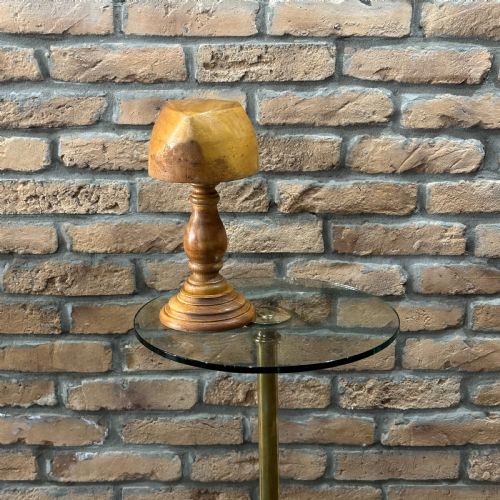


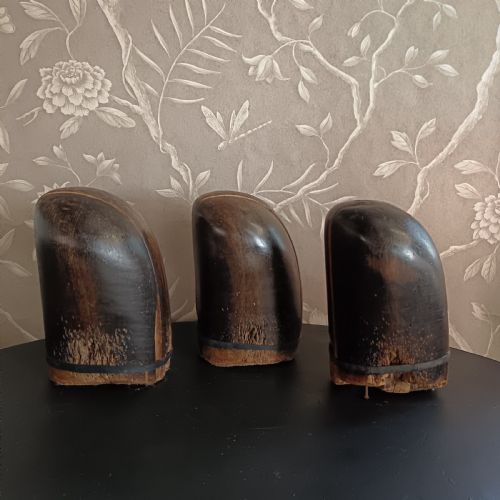

Milliner Display Block
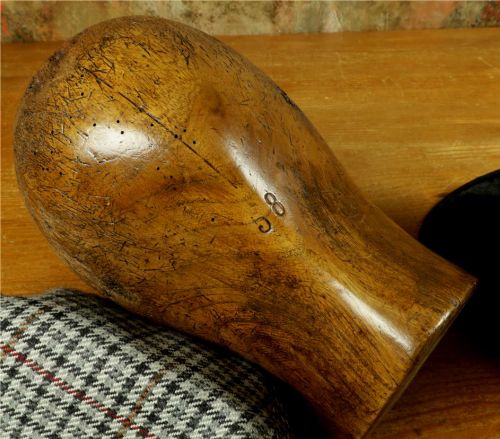
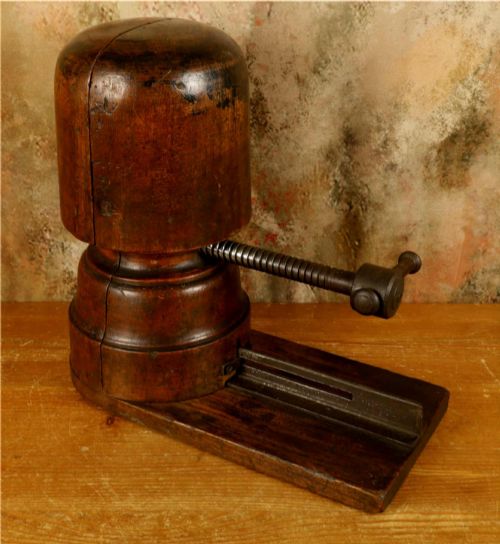
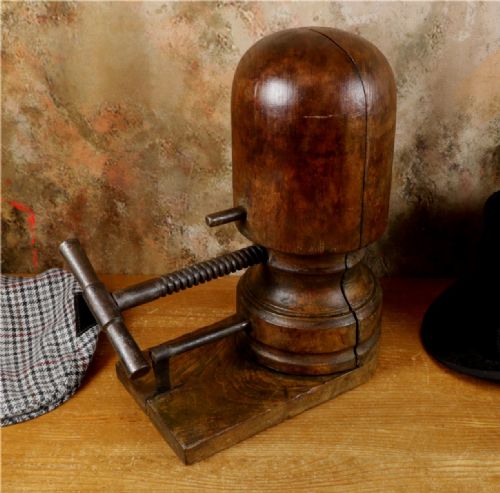
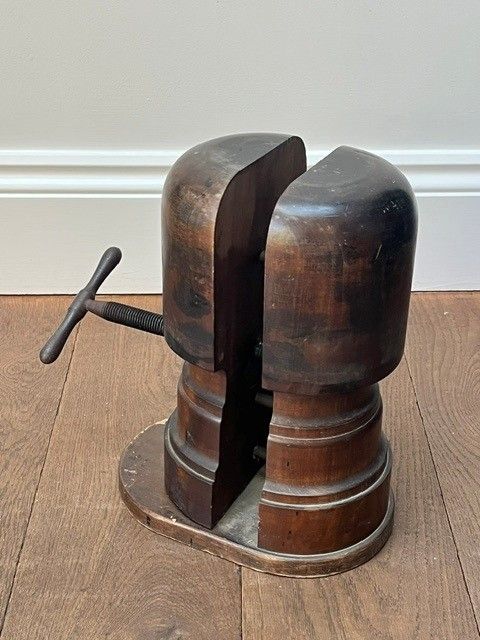
These milliner display block pieces are solid wooden and metal forms used to shape and showcase headwear in workshops and shops.
Milliner Display Block
A milliner display block serves as a sculptural tool for shaping hats and displaying millinery within traditional haberdashery and shop environments. When you search for a milliner display block, you encounter functional workshop equipment that ranges from adjustable stretchers to carved wooden heads and aluminium moulds.
The pieces available here span the Victorian era through to the 1920s, with origins in English and French workshops. You are most likely to meet carved wooden forms alongside cast metal moulds designed for specific hat types.
Makers utilised various durable materials to withstand the heavy pressures of hat making and daily retail display. The collection includes specialised items such as military bearskin cap blocks and wig display stands alongside standard forms.
Materials and Construction
Makers constructed these blocks using hardwoods like oak, walnut, beech, and fruitwood, often carving the timber by hand to achieve precise cranial contours. The reliance on dense woods ensured the forms resisted the physical strain of shaping wet felt and straw.
Later pieces incorporate metals such as aluminium and cast iron, reflecting industrial manufacturing shifts in the early twentieth century. These metallic moulds provided exceptional durability for volume production in commercial millinery.
Milliner Display Block Retail Price Guide 2026
Typical asking prices for milliner display block among the pieces listed under this phrase on Sellingantiques today, from the lower quarter to the upper quarter. They describe what is for sale here now, not the wider market.
Materials represented include fruitwood, oak, walnut, beech, cast iron, and aluminium.
Quality and Craftsmanship
Quality rests upon the precision of the carving and the integrity of the material used by the maker. Hand-carved folk art examples display unique sculptural merit, whereas industrial aluminium moulds demonstrate precise mechanical execution.
Patina accumulated through workshop use distinguishes superior examples, showing genuine traces of historical sizing and shaping. Pieces retaining original mounting hardware and maker markings hold greater documentary interest.
The Milliner Display Block Glossary
- Hat Block
- A solid form made of wood or metal around which a hat is shaped during manufacture. These forms dictate the final silhouette of the millinery.
- Hat Stretcher
- An adjustable wooden device inserted into a hat to expand or maintain its inner circumference. They feature mechanical screws or wedges to control the tension.
- Millinery Mould
- A hollow form, typically cast in aluminium, used for pressing and shaping hat bodies under heat and pressure. They often appear in numbered sequences.
Milliner Display Block: Frequently Asked Questions
What is a milliner display block?
A milliner display block is a functional workshop tool used to shape, size, and exhibit hats.
These pieces range from carved wooden heads to metal moulds and adjustable stretchers.
How were these blocks used?
Milliners stretched damp felt or straw over the wooden or metal forms to dry into specific hat shapes.
Shops later utilised the same blocks to display finished millinery to customers.
How do I date a hat block?
Dating relies on materials, construction techniques, and stylistic markers seen across different periods.
Victorian pieces typically feature carved hardwood, while 1920s examples often introduce aluminium construction.
How should I display them at home?
These sculptural forms work well placed on shelves, desks, or mantelpieces as standalone decorative objects.
Their industrial and folk art qualities complement both modern and traditional interiors.