



Military Trench Art
Military trench art pieces are evocative objects shaped by hands in uniform, offering a direct tangible link to early twentieth-century conflict.
Military Trench Art
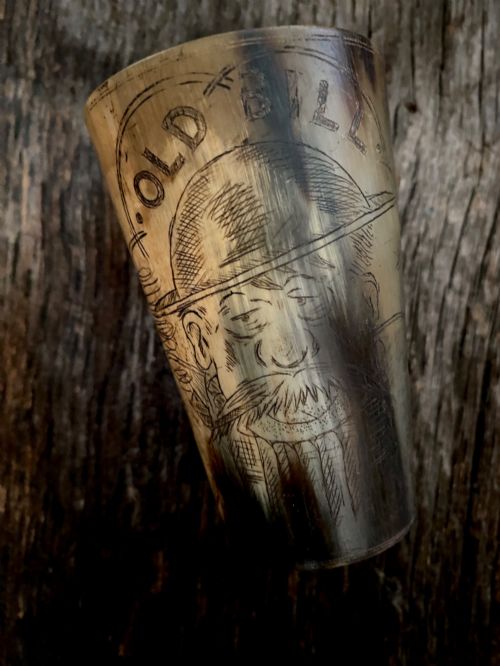
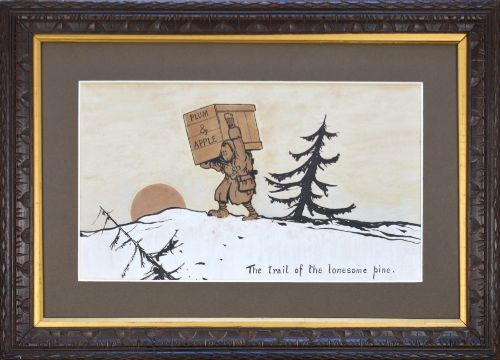
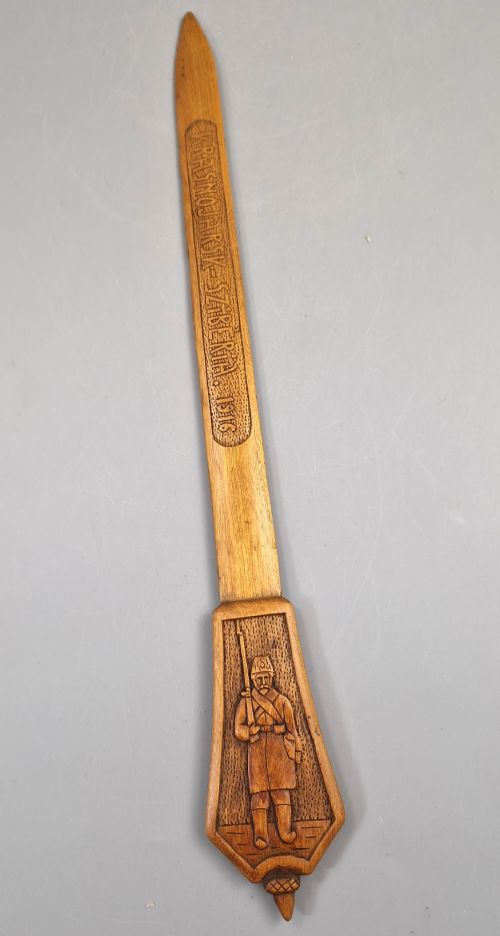
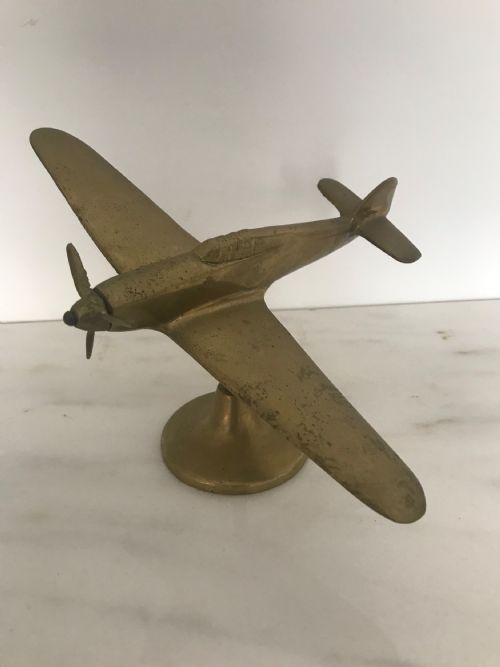
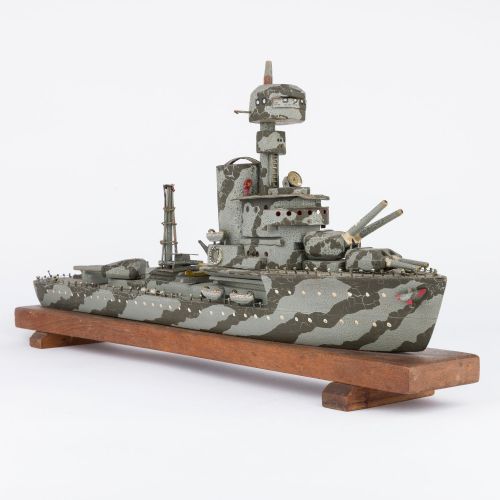
When you search for military trench art, you encounter a varied selection of items fashioned during periods of conflict, predominantly from the Edwardian era through the nineteen-forties. The objects on this page span several forms, including carved wooden letter openers, brass shell cases, scale models, and framed wartime illustrations.
The most common versions met here include decorated artillery shells, carved wooden prisoner of war pieces, and desk models. These items originate from diverse hands, encompassing Hungarian prisoners in Siberia, Belgian soldiers, and contemporary artists recording the realities of the field.
Beyond desk models and shell cases, the selection incorporates utilitarian items transformed into decorative works, such as brass candlesticks and novelty mantle clocks. Each piece reflects the specific materials available to makers during the First World War and subsequent mid-century periods.
How they were made
The construction of these pieces relies heavily on repurposed materials left behind in camps and battlefields, chiefly brass shell cases, copper, and discarded wood. Makers utilised basic hand tools to shape, hammer, and carve solid brass and timber into functional or commemorative items.
Paper, glass, and ink appear in the creation of framed battlefield drawings and original watercolours by figures such as Bruce Bairnsfather. Horn and bone also feature in smaller carved items, demonstrating the resourcefulness of makers working with whatever scraps came to hand.
Military Trench Art Retail Price Guide 2026
Typical asking prices for military trench art among the pieces listed under this phrase on Sellingantiques today, from the lower quarter to the upper quarter. They describe what is for sale here now, not the wider market.
A solitary carved wood and horn propaganda pipe offers a wonderfully amusing glimpse into wartime humour.
What varies in quality
The distinction between standard examples and superior pieces rests upon the crispness of the carving and the precision of the metalwork. Pieces showing detailed engraving on artillery shells or intricate shaping in wooden letter openers display a higher degree of maker proficiency.
Provenance and documented origin also influence the standing of an item, particularly when specific locations such as Arras or Krasnojarsk Siberia are tied to the physical object. Additionally, the survival of original media in framed drawings and watercolours preserves the visual integrity of the work.
Bruce Bairnsfather·Leopold Halvoet
The Military Trench Art Glossary
- Trench art
- Objects made by soldiers, prisoners of war, or civilians from war-zone waste and other materials. These items range from decorated shell cases to carved wooden implements.
- Shell case
- A discarded artillery casing utilised as the raw material for vases, candlesticks, and decorative vessels. Makers often hammered, engraved, or polished the brass or copper surface.
- Watercolour
- A painting method utilising water-soluble pigments on paper, frequently employed during the First World War to record battlefield scenes and camp life.
- Desk model
- A small-scale representation of military equipment, such as aircraft or battleships, fashioned from solid brass or other metals for display on a table.
Military Trench Art: Frequently Asked Questions
What is military trench art?
Military trench art encompasses objects fashioned by soldiers, prisoners, and civilians during times of conflict, using readily available materials like shell cases, wood, and scrap metal.
The items on this page include desk models, carved letter openers, painted wall art, and decorated artillery shells reflecting early twentieth-century conflicts.
Who made these pieces?
Makers included active-duty soldiers, prisoners of war detained in camps, and war artists recording contemporary scenes on the battlefield.
Their identities are sometimes recorded through inscriptions on the metal or wood, noting locations such as Arras or Siberia alongside dates from the nineteen-tens to the nineteen-forties.
How should I display trench art?
Trench art pieces suit surfaces like desks, mantles, and sideboards where their metallic or wooden textures can be clearly observed.
Framed watercolours and drawings require placement away from direct sunlight to protect the paper and ink from fading over time.
How do I identify the period?
Periods are often indicated by dates inscribed directly onto shell cases, wooden carvings, or accompanying paper documentation from the First World War era onwards.
Stylistic cues, such as Edwardian design elements or mid-century military forms, help place the object within its historical decade.