



Military Silver Box
A military silver box brings regiment history and solid metals together into desk and pocket pieces that collectors prize for their service associations.
Military Silver Box
A military silver box covers a diverse range of containers associated with armed forces, campaigns, and regimental life across the nineteenth and twentieth centuries. When you search for a military silver box, you will encounter items spanning the Victorian, Edwardian, and mid-century eras, reflecting distinct periods of military expansion and royal presentation.
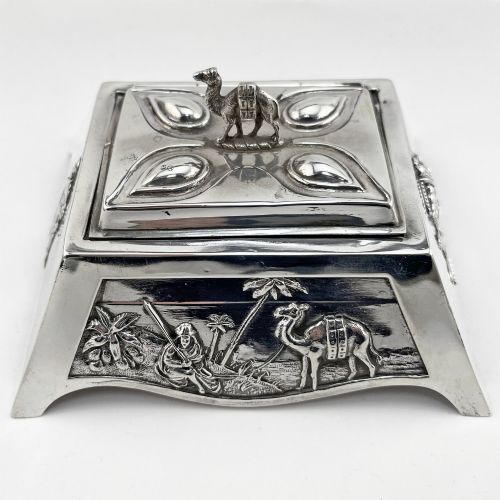
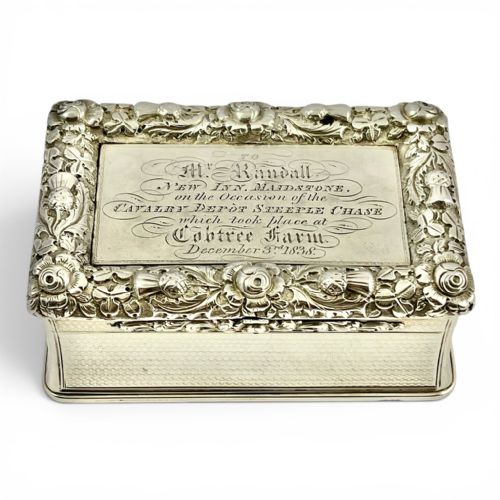
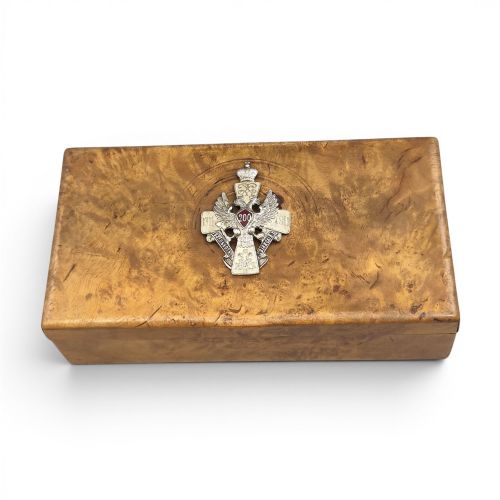
The forms on this page include snuff boxes, vesta cases, trinket caskets, officer boxes, and presentation pieces. Many incorporate enamel regimental badges, campaign timbers like oak and Karelian birch, or specific associations with units and royal service.
Origins vary from English workshops in London to Imperial Russia and Indian Colonial centres. Buyers are most likely to meet Victorian and Edwardian examples in sterling silver, often paired with wood or enamel detailing.
How they were made
Silversmiths constructed these pieces using sterling silver and silver-plated metals, frequently combining them with dense structural woods such as oak and Karelian birch for campaign chests and officer boxes. Enamel work provides vivid colour for regimental badges and decorative highlights on lids and cases.
Master craftsmen applied techniques including hand-chasing, silver mounting, and enamel firing to create intricate crests and presentation plaques. Velvet linings appear inside caskets and boxes to protect contents during travel and daily use.
Military Silver Box Retail Price Guide 2026
Typical asking prices for military silver box among the pieces listed under this phrase on Sellingantiques today, from the lower quarter to the upper quarter. They describe what is for sale here now, not the wider market.
Listings feature periods spanning from the Victorian era through 1950, utilising sterling silver, oak, enamel, and Karelian birch.
What varies in quality
Quality in these items rests on the crispness of the regimental detailing, the weight of the silver, and the integrity of the materials used in the box construction. Superior pieces show sharp hand-chasing on badges and hallmarks that remain clear and legible.
The marriage of silver with organic materials like wood and enamel separates standard containers from exceptional presentation pieces. Well-preserved velvet linings and intact hinges also distinguish finer boxes from heavily worn or later repaired examples.
Mappin & Webb·Sampson Mordan·Tissot
The Military Silver Box Glossary
- Sterling silver
- A silver alloy containing 92.5 percent pure silver by mass, standard for British plate and box construction.
- Vesta case
- A small pocket box designed to hold wax matches, often decorated with military enamel or regimental insignia.
- Karelian birch
- A decorative hardwood featuring a distinctive twisted grain, utilised in Russian officer boxes and high-end desk items.
- Snuff box
- A small hinged container used for holding powdered tobacco, prevalent in silver throughout the nineteenth century.
- Regimental badge
- An insignia representing a specific military unit, frequently enamelled or cast in silver on presentation boxes.
Military Silver Box: Frequently Asked Questions
What is a military silver box?
A military silver box is a container made of silver or mounted with silver elements that has a direct connection to armed forces, regiments, or campaign life. These items range from pocket vesta cases to large officer boxes and presentation caskets.
They served practical and ceremonial functions, often commemorating specific campaigns, regiments, or royal presentations during the nineteenth and twentieth centuries.
How were officer boxes used?
Officer boxes were utilised by military personnel on campaign and in barracks to store valuables, documents, tobacco, or personal effects. Their robust construction using silver and hardwoods suited the demands of travel.
Over time, many transitioned into decorative desk accessories or commemorative pieces preserved by descendants and collectors.
How do I identify Victorian pieces?
Victorian military silver boxes can be identified through official hallmarks, stylistic markers, and dates stamped into the metal by silversmiths. These pieces often feature heavier cast silver mounts and traditional floral or regimental engraving.
Examining the construction methods and any accompanying documentation helps confirm the nineteenth-century origin.
How do I care for silver and wood boxes?
Caring for these items requires gentle cleaning of the silver elements without abrasive polishes that might damage engraved details or enamel work. Wood surfaces benefit from occasional light dusting and stable humidity.
Keep velvet interiors dry and avoid placing boxes in direct sunlight to protect enamel colours and timber grains over the years.