


Milgrain Diamond Ring
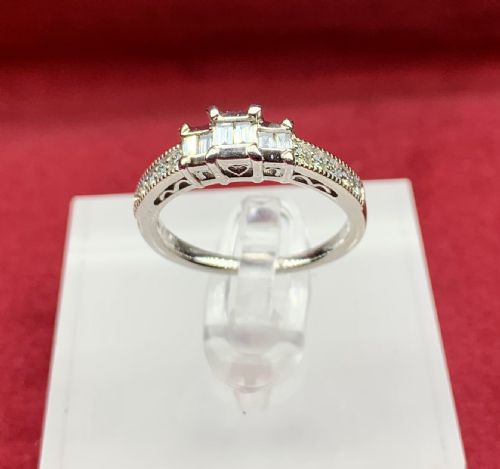
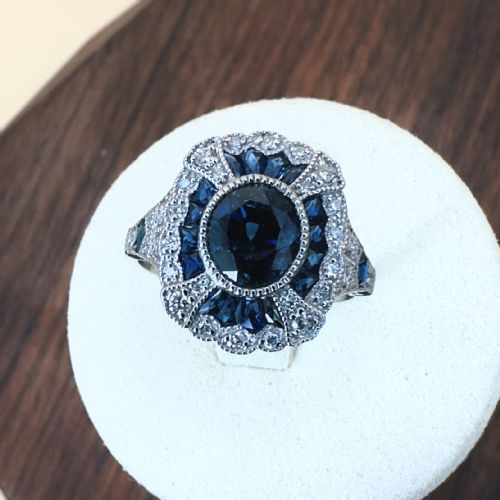
A milgrain diamond ring combines sharp geometric sparkle with delicate beaded metalwork that frames the stones with subtle precision.
Milgrain Diamond Ring
A milgrain diamond ring brings together classic engagement styles and fine antique craftsmanship. When you search for this phrase, you encounter pieces originating from the Edwardian era, the Art Deco period, and the 1940s Retro years.
The selections available here include platinum engagement rings, 18ct gold and platinum combinations, and old cut diamond centrepieces. These forms demonstrate the progression of delicate bead-set borders through distinct early twentieth-century design movements.
How they were made
Goldsmiths constructed these mounts using durable platinum or combinations of 18ct gold and platinum to secure the stones safely while keeping the metalwork fine. The characteristic milgrain edge involves rolling a small knurling tool along the metal rim to raise a tiny, uniform row of beads.
Diamonds set into these rings typically feature old cuts, reflecting hand-polished facets shaped before modern automated standards. The combination of dense platinum and meticulous hand-beading required steady skill from the bench jeweller.
Listings for this phrase feature platinum, 18ct gold, and diamond materials spanning the Edwardian, Art Deco, and 1940s periods.
What varies in quality
The distinction between average and exceptional work lies in the crispness and regularity of the beaded border. A superior milgrain edge maintains absolute uniformity without slipping onto the stone or flattening against the band.
Proportion also defines the better examples, where the delicate metal frame enhances the brilliance of the old cut diamond rather than overpowering the stone. The integration of 18ct gold and platinum elements should show seamless transition and secure claw work.
The Milgrain Diamond Ring Glossary
- Milgrain
- A technique of decorating metal edges with a tiny beaded border created by a specialised rolling tool. This finish softens the transition between the stone and the mounting.
- Old cut
- A diamond facet style hand-polished before the standardisation of modern cuts, typically featuring a smaller table and higher crown. These stones produce a warm, distinctive candlelight sparkle.
- Platinum
- A dense, white metal valued in jewellery for its strength and ability to hold fine detail securely. It allows jewellers to create ultra-thin settings that maximise light entry into diamonds.
- Art Deco
- A design style spanning the 1920s and 1930s characterised by geometric symmetry, clean lines, and strong architectural influences. Pieces from this period frequently utilise platinum alongside calibré-cut stones.
Milgrain Diamond Ring: Frequently Asked Questions
How do I date my ring?
Dating relies on stylistic clues, metal combinations, and stone cuts. Edwardian pieces often display delicate garland motifs, while Art Deco rings favour bold geometric arrangements.
Platinum and 18ct gold pairings together with old cut diamonds point firmly to early twentieth-century production, particularly between the 1910s and 1940s.
Are these rings suitable for daily wear?
These antique rings are built with durable metals like platinum, which withstands daily use remarkably well. The secure settings and solid construction of the period ensure they endure regular wear.
Routine checks by a jeweller help maintain the integrity of the claws and the crispness of the beaded edges over time.
What type of diamonds are used?
These pieces typically house old cut diamonds shaped by hand during the early twentieth century. These cuts feature smaller tables and deep pavilions designed to catch ambient light.
Each stone possesses unique facet patterns that distinguish them from modern brilliant cut diamonds found in contemporary jewellery.