





Mid Victorian Mahogany Cupboard
A mid victorian mahogany cupboard brings honest timber and utility into a room, offering sturdy storage across bookcases, bedside chests, and chiffoniers.
Mid Victorian Mahogany Cupboard
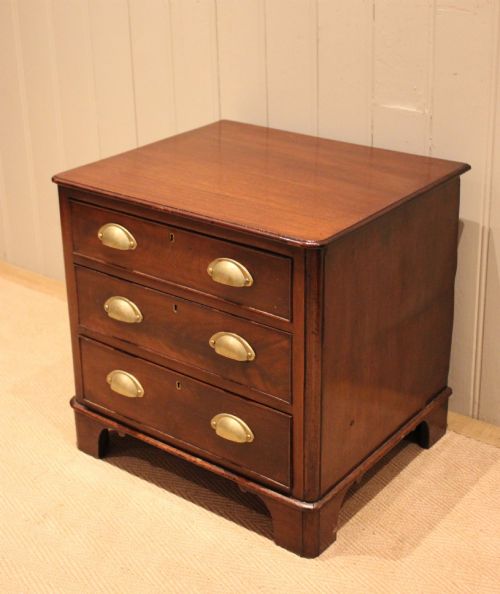
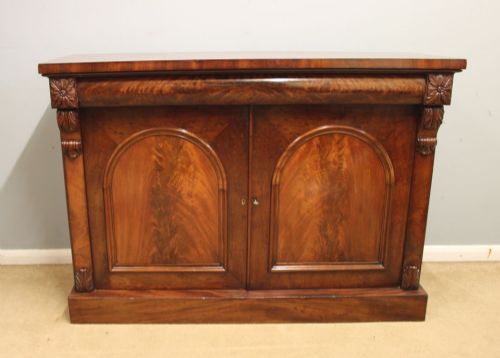
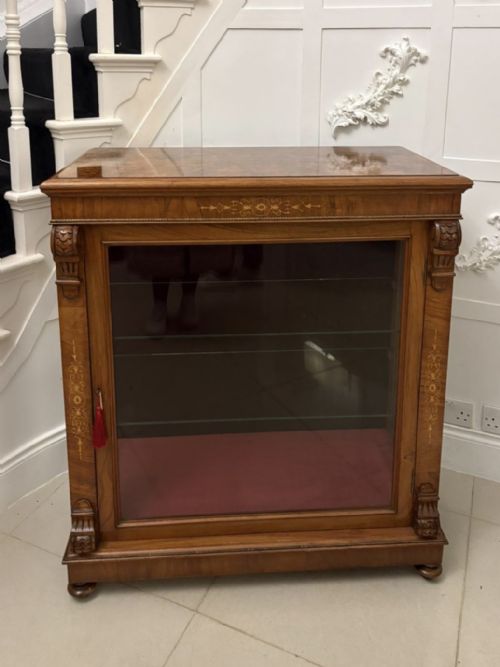
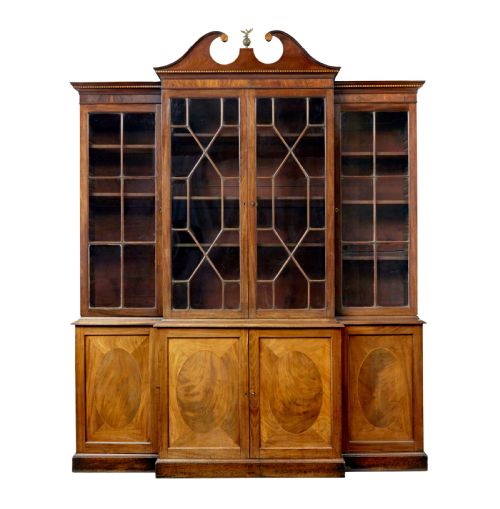
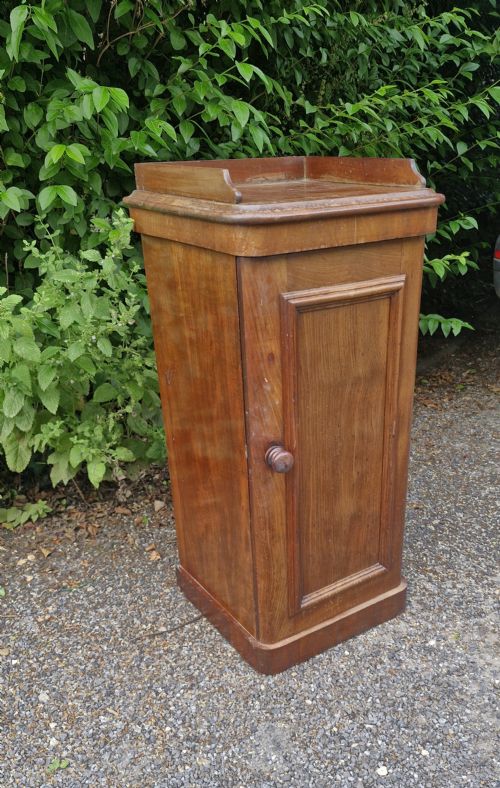
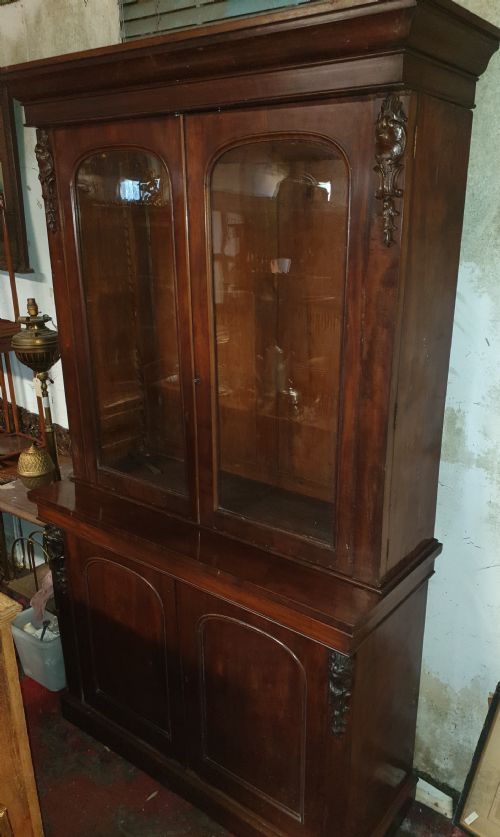
When you search for a mid victorian mahogany cupboard, you encounter a varied group of nineteenth-century case furniture designed for storing books, linen, and household items. The pieces on this page span several forms, including bedside cabinets, library bookcases, chiffonier sideboards, and pedestal cupboards.
The selection ranges from simple bedside units to large breakfront bookcase cabinets and display cabinets on stands. Alongside standard Victorian workshop pieces, you find revival styles such as Chinese Chippendale and Georgian influences, as well as Danish examples from the nineteenth century.
Materials and construction methods
Workshops relied heavily on solid mahogany and mahogany veneer, frequently highlighting figured grain such as flame mahogany across primary display surfaces. Secondary timbers like pine appear in hidden structural areas, while details involve contrasting boxwood inlay and carved elements.
Hardware and glazing form an integral part of the construction, utilising brass for handles, locks, and hinges alongside clear glass panels for bookcases and display cabinets. Interior fittings occasionally incorporate textiles like velvet, alongside traditional shelving arrangements.
Listings feature mid-nineteenth-century forms including breakfront bookcases, pedestal cupboards, and chiffoniers constructed from mahogany, flame mahogany, brass, and glass.
Distinguishing quality across the range
Quality reveals itself in the selection of the timber grain, where carefully matched flame mahogany veneers and crisp boxwood inlay distinguish finer examples from plain stock. The depth and sharpness of any carved decoration also separate standard workshop output from superior library furniture.
Proportion and structural integrity define the upper tier of these pieces, seen in balanced breakfront bookcases and well-engineered two-part cupboard cabinets. Original brass hardware, fitted interiors, and well-preserved faded patination contribute further to a piece's standing.
The Mid Victorian Mahogany Cupboard Glossary
- Chiffonier
- A low sideboard or cabinet featuring a combination of lower enclosed storage and upper shelves or a gallery back. This form became common in nineteenth-century parlours for serving and display.
- Flame mahogany
- A veneer cut from timber where the grain creates a pattern resembling flickering flames. Cabinetmakers prized this figure for prominent door panels and drawer fronts.
- Breakfront
- A piece of furniture whose central section projects forward from the flanking wings. This architectural arrangement provides visual depth to large bookcases and sideboards.
- Wellington chest
- A tall, narrow chest of drawers secured by a hinged locking side pilaster that fastens all drawers simultaneously. The design originated in the nineteenth century for efficient storage.
- Pedestal cupboard
- A single-door cabinet built on a compact, columnar footprint. These served widely as bedside or pot cupboards in Victorian bedchambers.
Mid Victorian Mahogany Cupboard: Frequently Asked Questions
What is a mid victorian mahogany cupboard?
It is a nineteenth-century storage piece made from mahogany, encompassing diverse forms from small bedside cabinets to large glazed bookcases and chiffoniers.
These items reflect the robust joinery and practical domestic requirements of the mid-nineteenth century, combining solid timber construction with decorative veneers.
How do I date these cupboards?
Dating relies on observing construction characteristics, timber types, and stylistic hints such as revival details or specific hardware. Most pieces on record date from the mid-nineteenth century, around the eighteen-fifties to eighteen-eighties.
Examining secondary woods like pine and the style of dovetailing helps confirm the period of manufacture alongside any documented dates or workshop traits.
Where were these cabinets used?
Original placements varied by the specific form of the cabinet, spanning bedrooms, libraries, and formal reception rooms. Bedside and pedestal cupboards sat next to sleeping quarters, while large breakfront bookcases and library cabinets occupied studies and drawing rooms.
Chiffoniers and display cabinets functioned primarily in dining rooms and parlours for storing china, linen, and serving wares.
How do I care for mahogany furniture?
Maintenance involves keeping the timber away from direct heat sources and strong sunlight to prevent the mahogany veneer from drying out or fading unevenly. Regular dusting with a dry or slightly damp cloth preserves the finish.
Applying traditional wax polish occasionally helps nourish the wood and maintain the natural patina developed over the nineteenth century.