

Mid Victorian Cabinet
When you search for a mid victorian cabinet, you are looking at substantial nineteenth-century timber storage forms built for display and utility.
Mid Victorian Cabinet
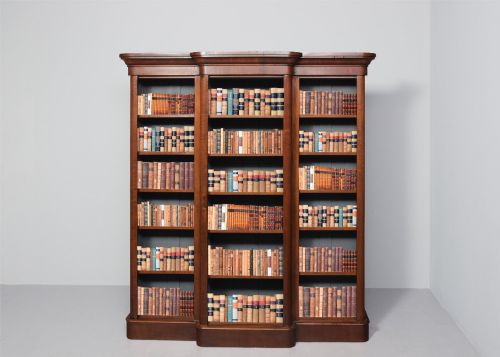
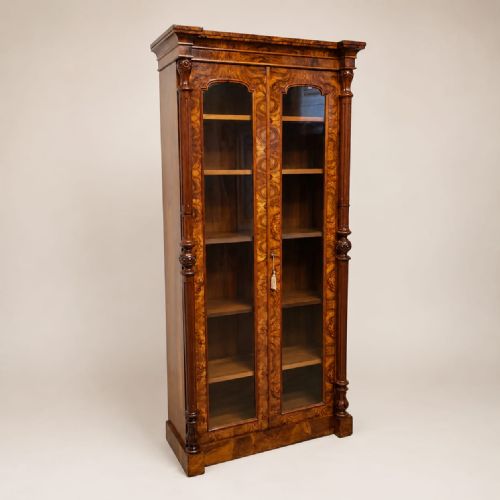
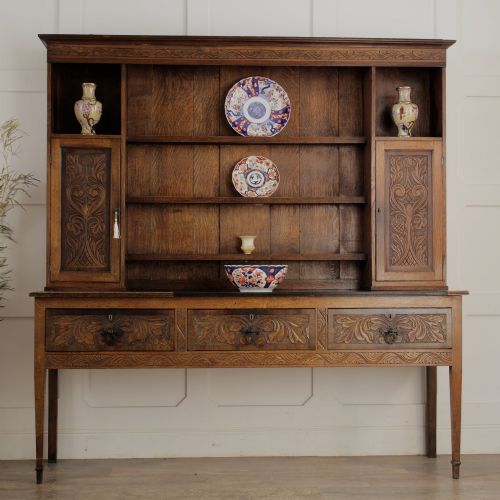
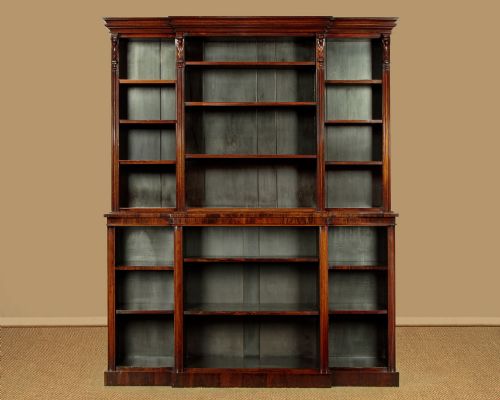
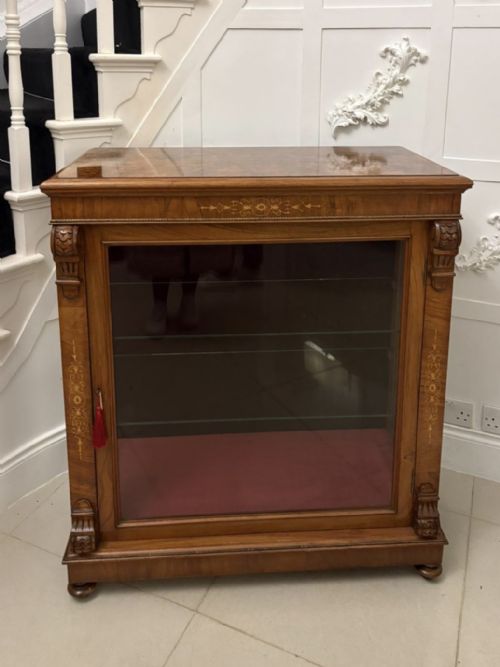
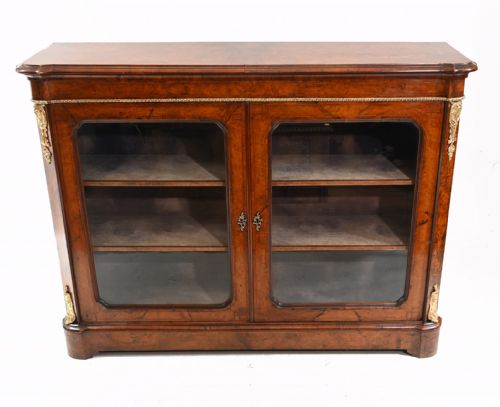
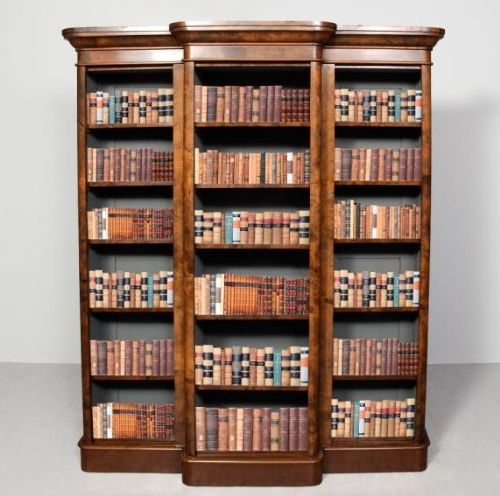
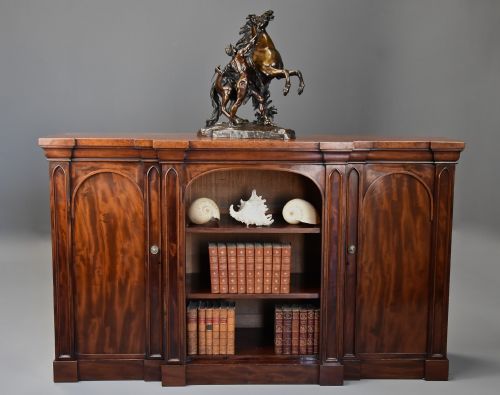
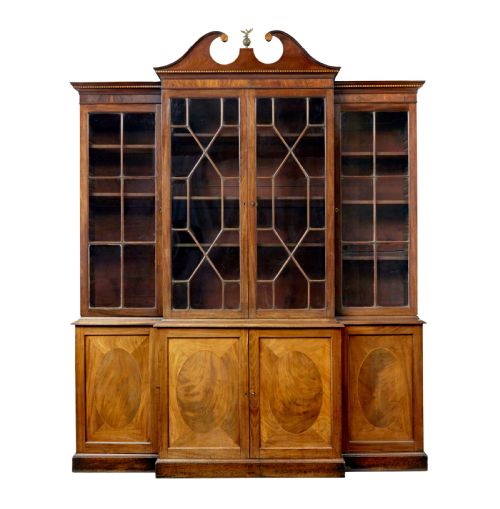
A mid victorian cabinet encompasses a broad variety of nineteenth-century forms designed to house books, china, collections, and household goods. Buyers meet everything from compact walnut pier cabinets and glazed bookcases to large mahogany breakfront libraries and serpentine credenzas.
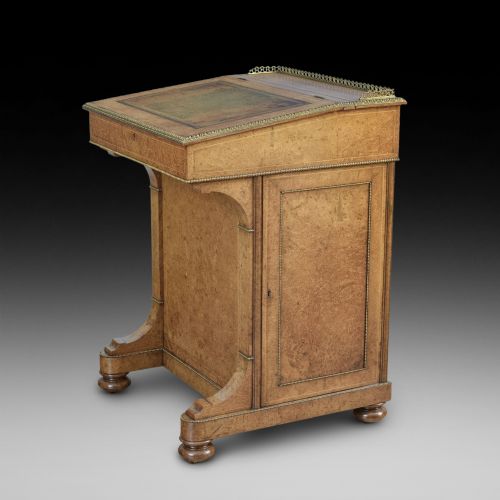
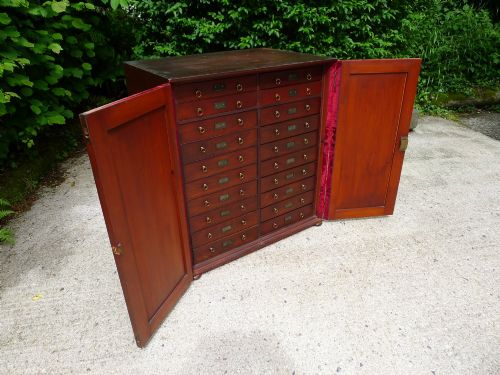
The evidence shows these pieces originating across domestic and institutional spaces, including library bookcases, bedside lockers, and specialised collectors cabinets with numerous small drawers. Many examples incorporate glass doors for display alongside enclosed timber cupboards.
Stylistic influences span standard Victorian revivalism through to Gothic elements, Chinoiserie, and Rococo curves. Walnut and mahogany predominate, often enhanced by marquetry inlay or brass mounts.
Materials and Construction
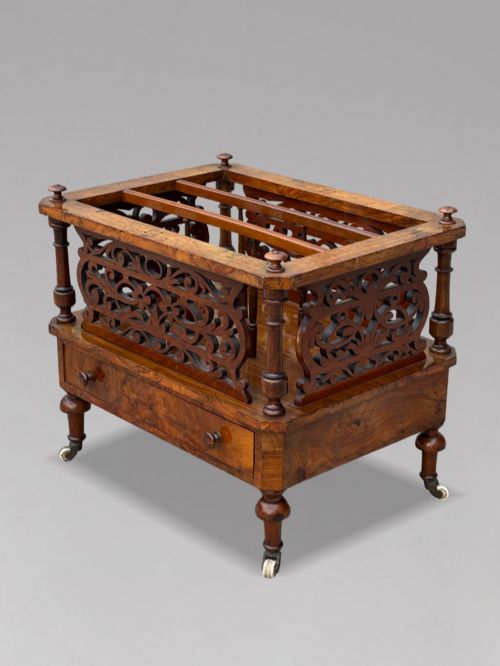
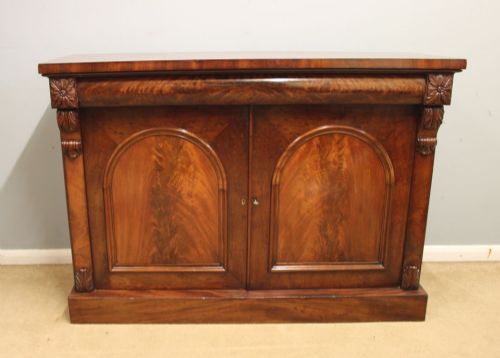
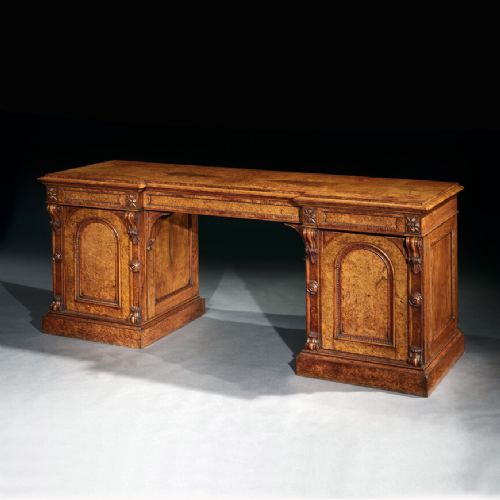
Cabinetmakers of the period relied heavily on solid mahogany, oak, and richly figured burr walnut, frequently applied as veneers over stable secondary timbers like pine. Flame mahogany veneer and pollard oak also appear on prominent surfaces to create striking grain patterns.
Decorative embellishments include cast ormolu mounts, delicate satinwood marquetry inlay, and carved wooden details reflecting the Gothic or Rococo tastes of the mid-nineteenth century. Glazed doors utilise clear glass panes held by timber framing, while marble tops feature on specific credenzas and bedside cabinets.
Listings demonstrate cabinet construction in mahogany, burr walnut, oak, and rosewood across the Victorian era.
Judging Quality
The distinction between ordinary and superior pieces rests on the choice of timber and the precision of the cabinetmaker's joinery. Heavily figured burr walnut veneers, intricate satinwood inlay, and well-executed ormolu mounts signal a higher grade of manufacture.
Internal engineering matters just as much as exterior ornament. Smoothly running drawers, original brass hardware, fitted secretaire sections, and sound structural integrity separate utilitarian workshop output from exceptional cabinet work.
John Ridgway·Druce And Co·Minton
The Mid Victorian Cabinet Glossary
- Credenza
- A low cabinet or sideboard, frequently featuring curved glass doors and ormolu mounts, popular in mid-nineteenth-century reception rooms.
- Pier cabinet
- A narrow display cabinet designed to fit the wall space between windows.
- Breakfront
- A piece of furniture where the central section projects forward from the flanking wings.
- Ormolu
- Gilt-bronze decorative mounts applied to cabinet doors, corners, and friezes.
- Marquetry
- Elaborate decorative patterns formed by fitting together small pieces of contrasting veneer.
Mid Victorian Cabinet: Frequently Asked Questions
What is a mid victorian cabinet used for?
These pieces served multiple domestic purposes in nineteenth-century homes, from storing library books and serving dining rooms to displaying delicate porcelain.
Today, they function equally well for modern storage needs while adding traditional timber warmth to living spaces.
How do I identify a pier cabinet?
A pier cabinet is typically narrow and freestanding, designed specifically to sit against the stretch of wall between two tall windows.
They usually feature glazed doors to protect and display ornaments or books within the main parlour.
What is the difference between a credenza and a sideboard?
While both offer storage, a credenza sits lower to the ground and frequently includes decorative ormolu mounts, curved glass display sections, and marquetry.
Sideboards tend to be larger dining room pieces designed primarily for serving food and storing heavy tableware.
How do I care for burr walnut veneer?
Burr walnut requires stable indoor humidity away from direct sunlight and heat sources to prevent timber movement and veneer lifting.
Regular dusting with a dry cloth and occasional application of appropriate furniture wax keeps the polished surface nourished.