

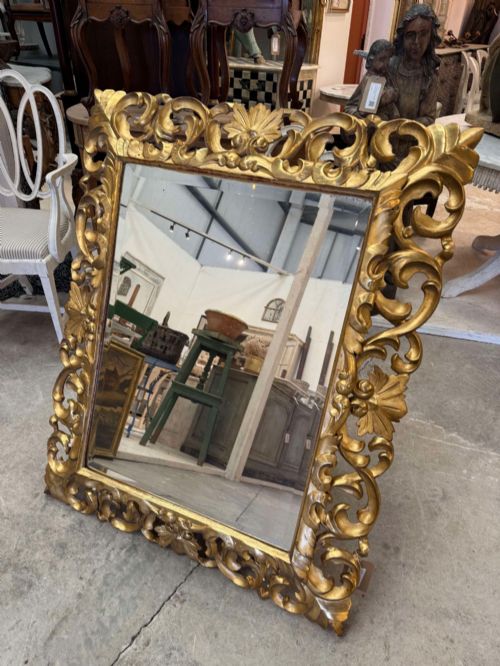
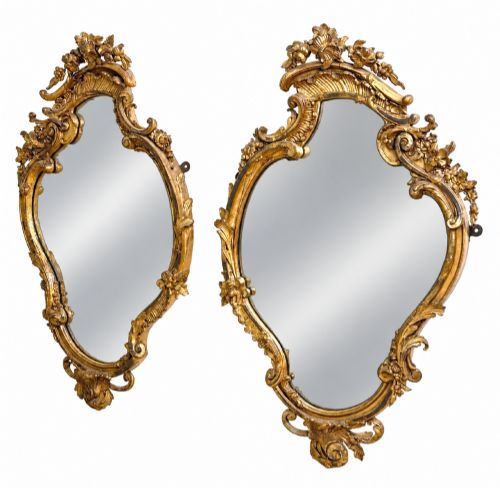
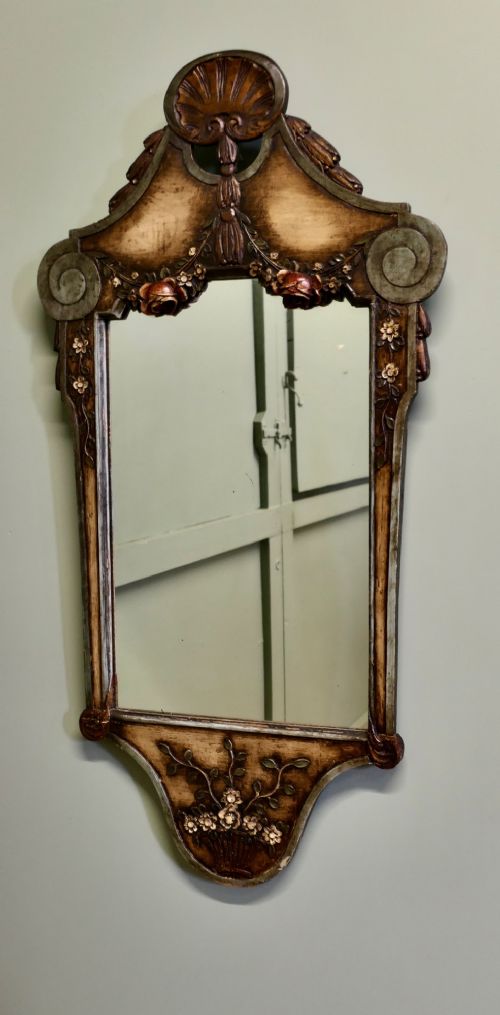
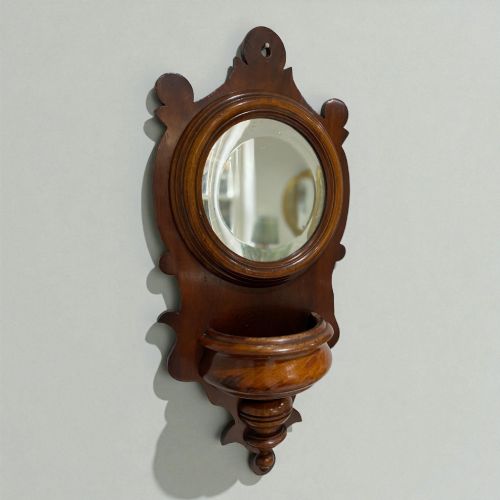
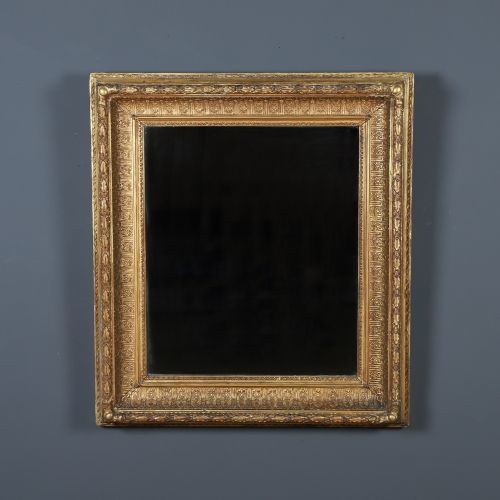
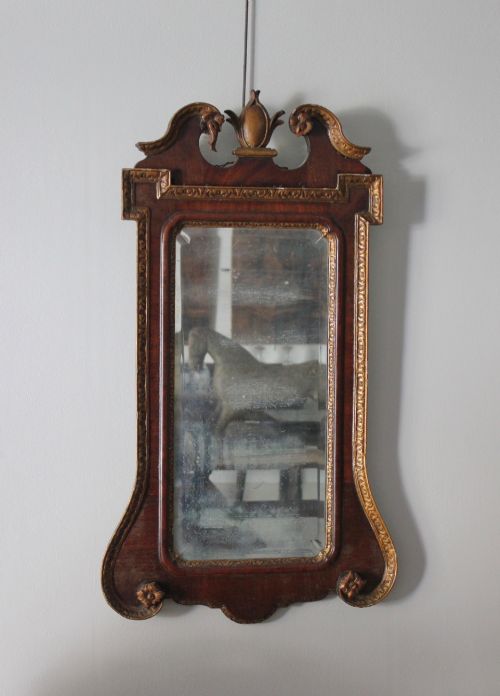

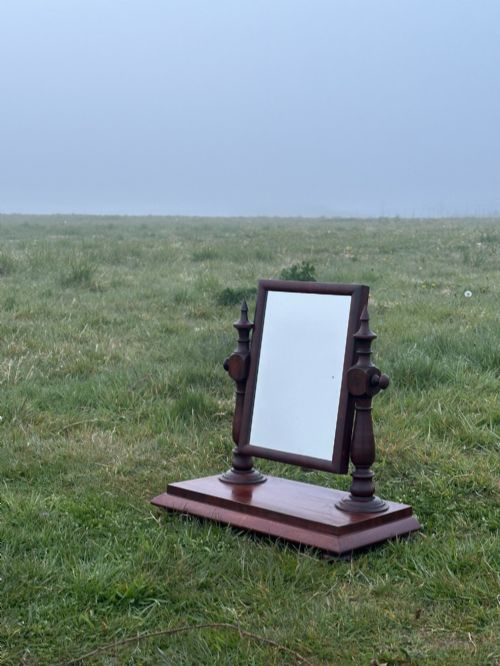


Mid Century Wood Mirror
A mid century wood mirror brings warmth and character to a room, drawing the eye with rich timber frames and period craftsmanship.
Mid Century Wood Mirror
A mid century wood mirror encompasses a diverse selection of wall mirrors, dressing mirrors, and overmantle pieces shaped by traditional and revival styles. The pieces span centuries of cabinetmaking, ranging from Georgian and Victorian designs to later French and Italian iterations.
Buyers encounter solid timber frames in mahogany, walnut, and palisander alongside carved giltwood and gesso examples. Many items integrate practical functions, appearing on dressing tables, chiffoniers, and cabinets.
The selection reflects varied regional workshops, with English mahogany pieces sitting alongside Italian carved giltwood dressings and French cushion frames. Each item carries the distinct aesthetic of its period, from classical symmetry to ornate rococo revival.
How they were made
Makers shaped these frames from dense hardwoods such as mahogany, walnut, and palisander, often utilising carved wood and applied gesso for decorative depth. Timber selection dictated the structural integrity and the grain pattern visible across the finished surface.
Gilding techniques applied gold leaf over prepared gesso bases to create reflective highlights on Italian and French frames. Skilled joinery secured the mirror glass within wooden rebates, protecting the silvered backing from atmospheric moisture.
Mid Century Wood Mirror Retail Price Guide 2026
Typical asking prices for mid century wood mirror among the pieces listed under this phrase on Sellingantiques today, from the lower quarter to the upper quarter. They describe what is for sale here now, not the wider market.
Listings feature periods spanning from the 18th century through to the 1960s, constructed from mahogany, walnut, giltwood, and glass.
What varies in quality
The depth and crispness of hand-carved ornamentation separate standard production from exceptional craftsmanship. Superior frames display undercut foliage and balanced proportions without relying on heavy moulded compositions.
The clarity and preservation of the original mirror glass influence the overall integrity of the piece. Authentic silvering patination and bevelled edges show the original character, whereas replacement glass alters the historic appearance.
The Mid Century Wood Mirror Glossary
- Gesso
- A plaster-based mixture applied to wood frames to provide a smooth surface for gilding or painting. It allows intricate relief decoration to be modelled before the application of metal leaf.
- Giltwood
- Timber carved and coated with gold leaf or powder. This finish was favoured for formal wall and dressing mirrors across various European periods.
- Palisander
- A dense, richly figured tropical hardwood belonging to the rosewood family. Cabinetmakers utilised its striking grain patterns for prominent veneer work on nineteenth-century furniture and mirror frames.
- Rebate
- A recess or groove cut into the edge of a wooden frame to hold the mirror glass securely in place. Traditional joinery methods relied on these channels to distribute weight evenly.
- Overmantle
- A large mirror designed to hang directly above a fireplace mantelpiece. These pieces frequently feature architectural framing to anchor the focal point of a room.
Mid Century Wood Mirror: Frequently Asked Questions
How do I hang a heavy wood mirror safely?
Heavy wood frames require sturdy wall anchors and brackets rated for the specific weight of the timber and glass. Securing the piece directly into wall studs prevents shifting.
Professional mirror hangers utilise split-lath systems or heavy-duty D-rings screwed firmly into the structural wooden frame rather than relying on decorative hardware.
Can I place a wood mirror in a bathroom?
High humidity and fluctuating temperatures can damage historic wood finishes and cause the silver backing of older glass to degrade. Moisture causes timber to expand and contract, risking cracks in gesso and veneer.
Keeping period wood mirrors in well-ventilated hallways, living rooms, or bedrooms protects the materials from moisture damage and preserves the original patination.
How do I clean an antique wood frame?
Dusting with a dry, soft microfibre cloth removes surface particles without disturbing fragile gilding or dry timber surfaces. Avoid standard household sprays and chemical polishes that strip historic wax.
If necessary, professional conservators apply specialised microcrystalline wax to nourish dry hardwoods and seal finished surfaces against environmental wear.
Why do some mirrors show dark spots?
Ageing mirror glass frequently develops foxing, where moisture reacts with the silvered backing over decades to create small dark spots. This chemical change is a natural part of the ageing process for antique glass.
Many collectors prize genuine foxing as proof of age and authenticity, distinguishing original panels from modern replacements.