



Mid Century Walnut Bedroom
These mid century walnut bedroom pieces bring warm timber figures and period craftsmanship directly to domestic spaces.
Mid Century Walnut Bedroom
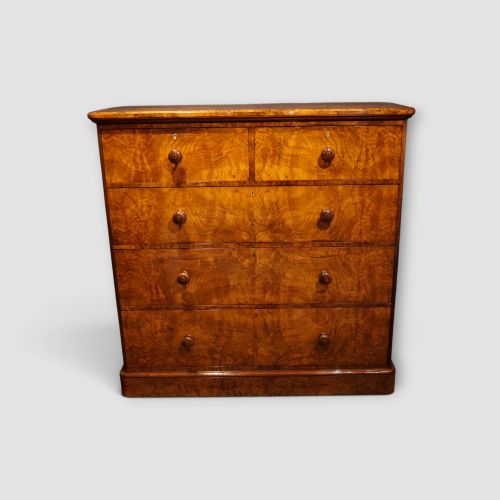
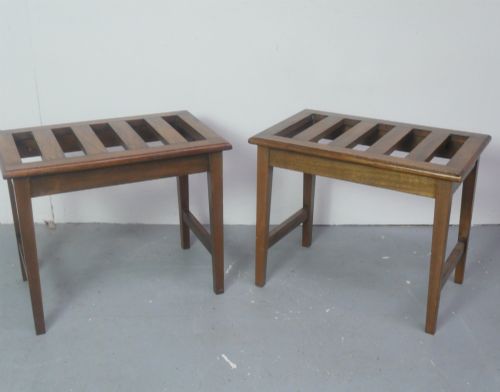
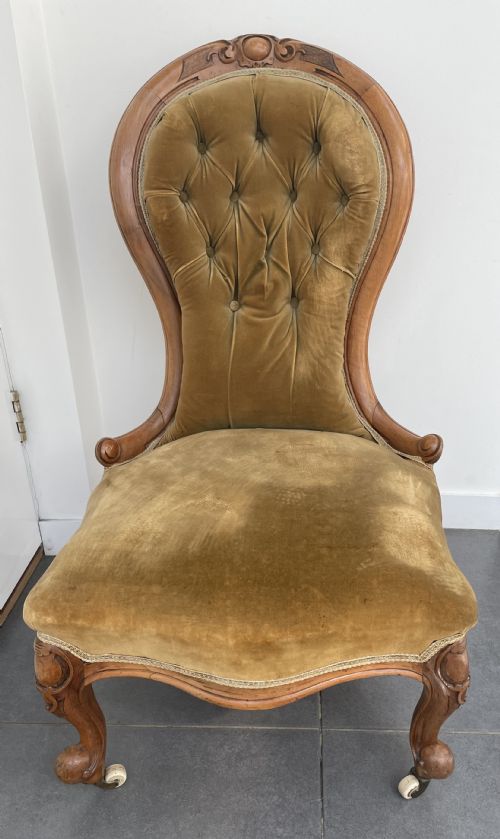
When you search for mid century walnut bedroom pieces, you encounter furniture spanning several centuries rather than a single twentieth-century era, encompassing Georgian chests and Victorian seating alongside mid-century modern design. The inventory on this page ranges from compactum wardrobes and tallboys to bedroom chairs, luggage racks, and chests of drawers.
The selections lean heavily toward nineteenth-century Victorian production alongside eighteenth-century George II pieces, providing substantial timber forms suited to traditional and eclectic interiors. Buyers searching this phrase will find that walnut and burr walnut dominate the cabinetry, whilst seating options incorporate upholstery fabric, velvet, and brass details.
How they were made
Cabinet makers utilised solid walnut and burr walnut veneers over secondary timbers, applying expert joinery techniques to construct chests, wardrobes, and tallboys. Burr walnut surfaces display intricate grain patterns selected for visual impact on primary drawer fronts and panel doors.
Seating pieces involve carved wooden frames paired with traditional upholstery methods, incorporating fabric and velvet coverings supported by brass hardware where appropriate.
Mid Century Walnut Bedroom Retail Price Guide 2026
Typical asking prices for mid century walnut bedroom among the pieces listed under this phrase on Sellingantiques today, from the lower quarter to the upper quarter. They describe what is for sale here now, not the wider market.
Even a modest luggage rack from 1900 deserves to hold your discarded socks with absolute aristocratic dignity.
What varies in quality
Quality rests upon the selection of timber veneers, where highly figured burr walnut commands attention through balanced grain matching across drawer fronts and doors. The crispness of hand-carved details on Victorian and Georgian chair frames further distinguishes finer workshop output from simpler production.
Structural integrity, original brass fittings, and the survival of untouched timber patination elevate certain examples above pieces with extensive timber replacement or later alterations.
The Mid Century Walnut Bedroom Glossary
- Walnut
- A dense, hard timber prized for its rich brown tones and decorative grain patterns. It served as a primary material for fine cabinetry across the eighteenth and nineteenth centuries.
- Compactum
- A large fitted wardrobe designed with interior hanging space, drawers, and shelving. This form maximised bedroom storage within a single architectural piece.
- Tallboy
- A tall chest of drawers, often constructed as a chest-on-chest arrangement. This format provided generous vertical storage whilst occupying a modest floor footprint.
- Wellington chest
- A tall, slender set of drawers secured by a hinged locking stile on one side. Originating in the nineteenth century, this design kept private papers and garments secure.
Mid Century Walnut Bedroom: Frequently Asked Questions
How do I date walnut bedroom furniture?
Dating relies upon examining construction methods, timber thickness, and hardware types used within the piece. Eighteenth-century examples feature distinct drawer linings and joinery compared to Victorian or mid-century pieces.
Style indicators such as carved cabriole legs, bracket feet, or button-backed upholstery help narrow down the decade of manufacture when combined with wood patina.
Are these pieces suitable for modern homes?
Walnut bedroom items integrate smoothly into contemporary interiors due to the warm, natural tones of the wood. Chests of drawers and wardrobes offer practical daily storage.
Smaller seating pieces and luggage racks function well as accent furniture in bedrooms, hallways, or living spaces without overwhelming the room.
How should I care for antique walnut furniture?
Maintain walnut surfaces by dusting regularly with a soft, dry cloth and avoiding silicone-based polishes. Keeping pieces away from direct sunlight and heat sources prevents timber splitting.
Occasional application of appropriate wax feeds the antique finish and preserves the natural lustre of the walnut grain.