



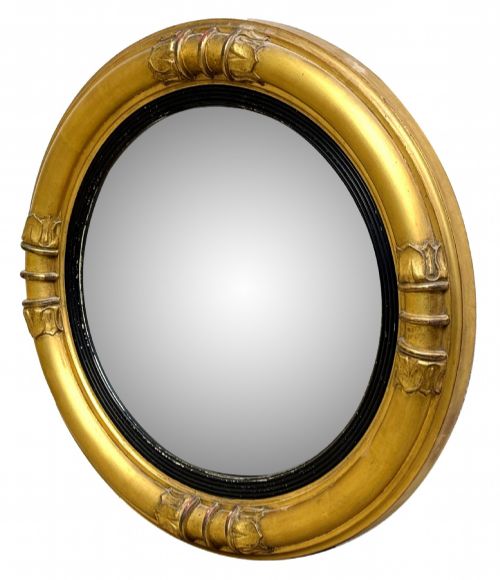


Mid Century Wall Mirror
Mid century wall mirror options span centuries of craftsmanship, offering reflective glass set into carved wood and gilded frames that transform a room.
Mid Century Wall Mirror
A mid century wall mirror functions as both a decorative focal point and a practical reflective surface for hallways, overmantels, and dressing rooms. Buyers searching for a mid century wall mirror encounter examples ranging from 19th-century Victorian and Georgian designs to later 20th-century interpretations.
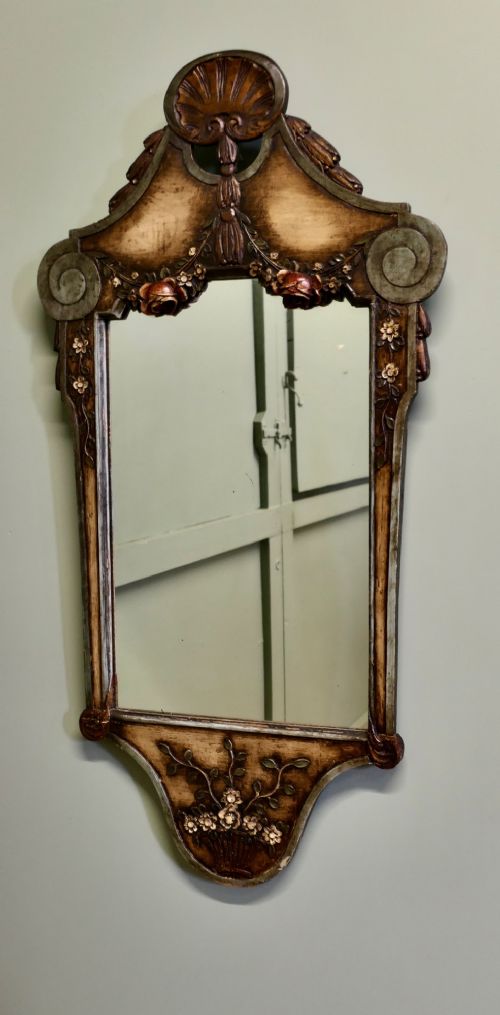
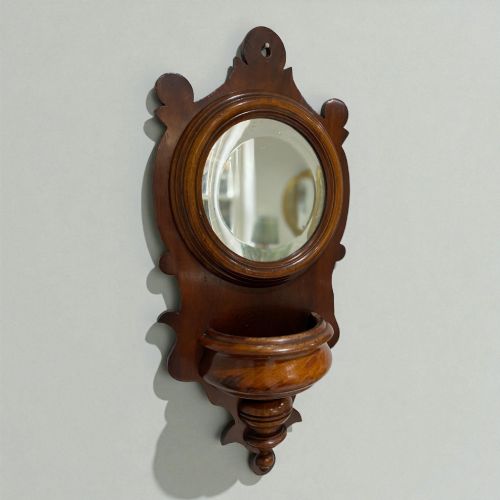
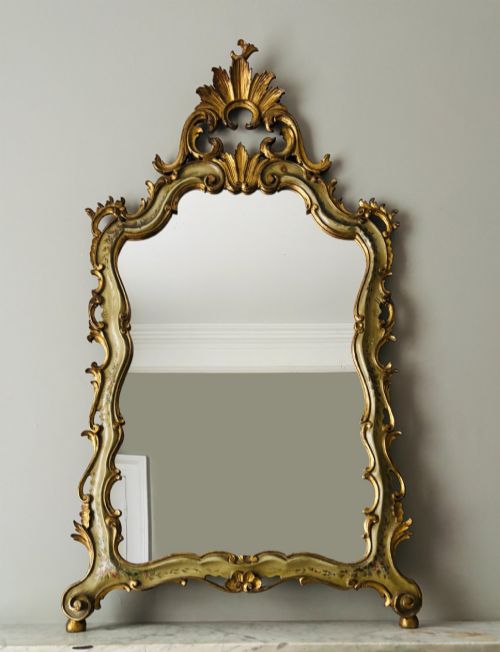
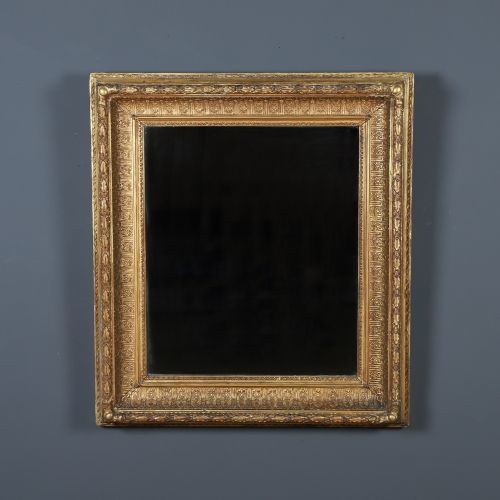
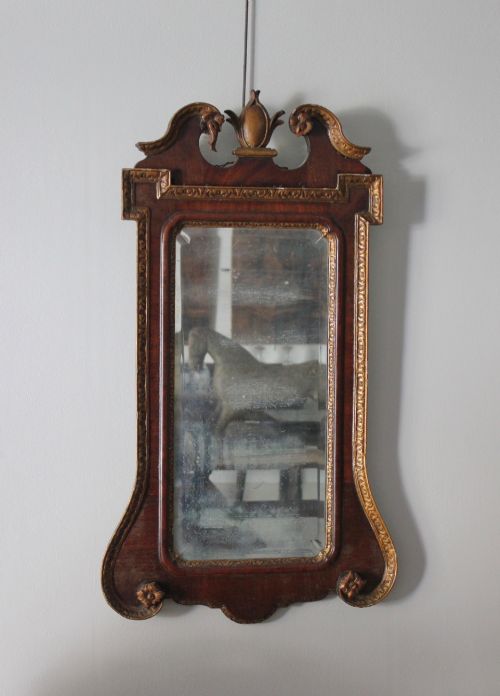
The selection includes large overmantle mirrors, circular convex shapes, and ornate gilt frames shaped by Baroque and Rococo revivals. Wooden frames executed in mahogany, walnut, and ebonised timber appear alongside giltwood and gesso variations.
Many items originate from English, French, and Italian workshops, reflecting diverse regional tastes in domestic decoration. Overmantel mirrors and pier mirrors dominate the forms, designed originally to sit above fireplaces or between windows.
Materials and construction methods
Makers utilised timber substrates such as mahogany, pine, and walnut, often applying gesso layers to carved wood before gilding with gold leaf. Giltwood and gilt gesso frames required skilled hand carving and preparation to achieve the characteristic metallic sheen.
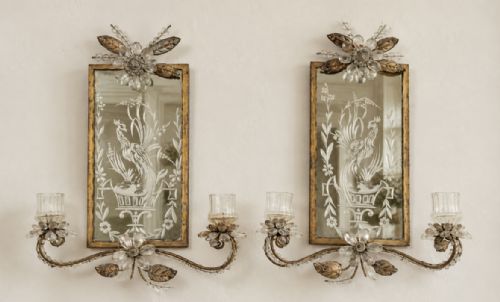
Glass plates were silvered and fitted into rebated frames, sometimes featuring bevelled edges or specialised Vauxhall treatments. Brass elements, boulle work inlay, and painted decoration added further visual detail to the timber and plaster structures.
Mid Century Wall Mirror Retail Price Guide 2026
Typical asking prices for mid century wall mirror among the pieces listed under this phrase on Sellingantiques today, from the lower quarter to the upper quarter. They describe what is for sale here now, not the wider market.
Listings feature items spanning the 18th, 19th, and 20th centuries, utilising materials like giltwood, mahogany, and brass across various forms.
Distinctions in quality and execution
The depth and crispness of the hand carving on wooden and gesso frames separate standard production from superior examples. Finely executed Florentine or Rococo scrolls display sharp relief work, whereas lower-quality pieces show softer, moulded plaster details.
The integrity of the original mercury or silvered glass plate and the tightness of the frame joints indicate the level of preservation and original craftsmanship. High-quality mirrors retain their original gilding and backboards, showing minimal structural replacement.
Jennings and Betteridge·Philippe de Rougemont·Joseph Biel
The Mid Century Wall Mirror Glossary
- Giltwood
- Wood that has been coated with a thin layer of gold leaf. This technique was widely applied to ornate frames throughout the nineteenth century.
- Overmantel mirror
- A large mirror specifically designed to hang upon the wall directly above a fireplace mantelpiece. These pieces often span significant horizontal lengths.
- Convex mirror
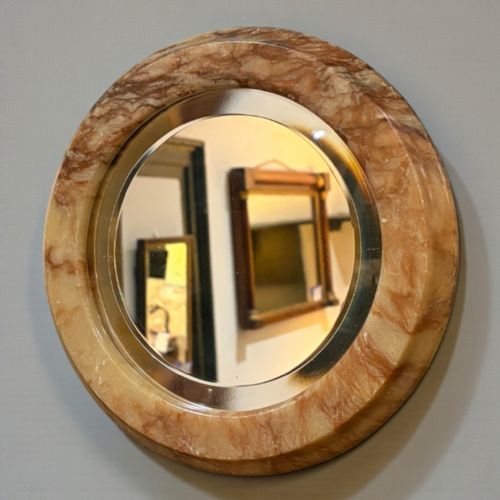
- A round mirror featuring a curved glass surface that reflects a wide-angle, distortion-heavy view of the interior space. They were popular in Regency and Victorian rooms.
- Gesso
- A plaster mixture applied to wood frames to create a smooth surface for gilding or painting. Skilled artisans carved intricate relief patterns directly into this material.
- Vauxhall mirror
- An early type of mirror plate characterised by bevelled edges and high-quality glass production. The term originates from the famous London glasshouse factories.
Mid Century Wall Mirror: Frequently Asked Questions
What is a convex mirror used for?
Convex mirrors were historically placed in living spaces to monitor activity across a room and distribute ambient light from candles or windows. Their curved glass creates a panoramic reflection of the interior.
In period interiors, these circular pieces served both a decorative function and a practical purpose in hallways and dining parlours. The inclusion of a convex glass plate often indicates Regency or Victorian manufacturing traditions.
How do I clean antique mirror glass?
Antique mirror glass should be cleaned gently using a soft, dry cloth to remove dust without disturbing vulnerable silvering. Avoid spraying liquid cleaner directly onto the glass, as moisture can seep behind the plate and damage the backing.
If liquid is necessary, apply a small amount to the cloth rather than the surface itself. Care must be taken around the edges where the silvering often deteriorates with age.
Are these mirrors original antique pieces?
The inventory comprises genuine period pieces originating from the eighteenth, nineteenth, and twentieth centuries. Materials such as hand-carved giltwood, mahogany, and early glass plates provide physical evidence of their age.
Construction techniques, including hand-cut joinery and traditional gilding methods, distinguish older examples from modern reproductions. Each piece carries wear consistent with its historical use in domestic settings.