




Mid Century Tribal Rug
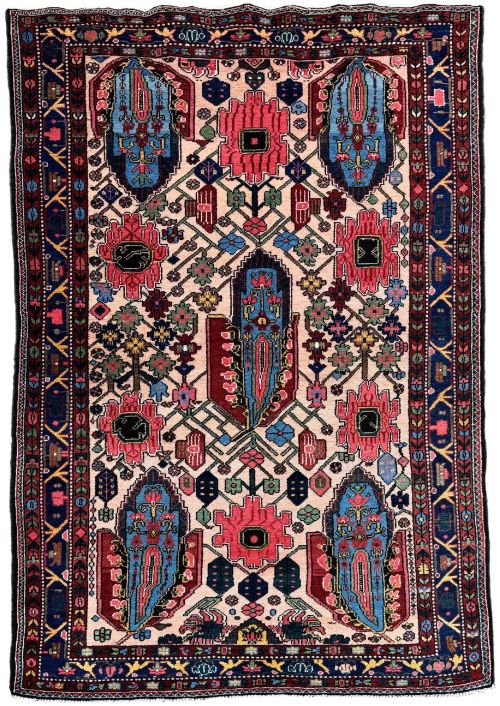
These mid century tribal rug pieces are woven textiles that bring rich geometric patterns and authentic nomadic history straight to your floor.
Mid Century Tribal Rug
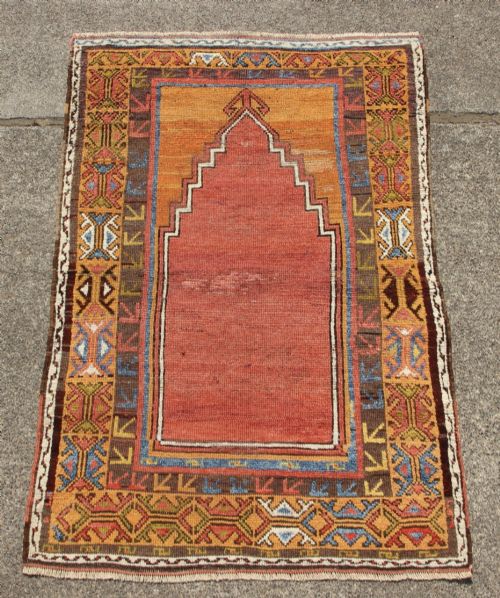
A mid century tribal rug brings together nomad-woven village textiles and traditional carpets originating from Central Asia, Persia, and Anatolia. You encounter examples ranging from 19th-century village prayer rugs and torba faces to later 20th-century pieces produced in wool and natural dyes.
The selection on this page centres heavily on Turkish, Turkmen, and Persian regional weaving traditions. Many pieces take the form of area rugs, flat-woven kilims, and specific nomadic furnishings like chuval faces and prayer rugs.
Buyers look for these items to anchor a room with distinct tribal geometry, rich historical depth, and genuine handmade character. The examples present varied regional motifs, from traditional Turkmen guls to Anatolian village prayer designs.
How they were made
These textiles rely primarily on hand-spun wool and cotton foundations, utilising natural dyes to achieve deep and enduring colour palettes. Artisans employed traditional knotting and flat-weaving techniques to construct durable floor coverings and household bags.
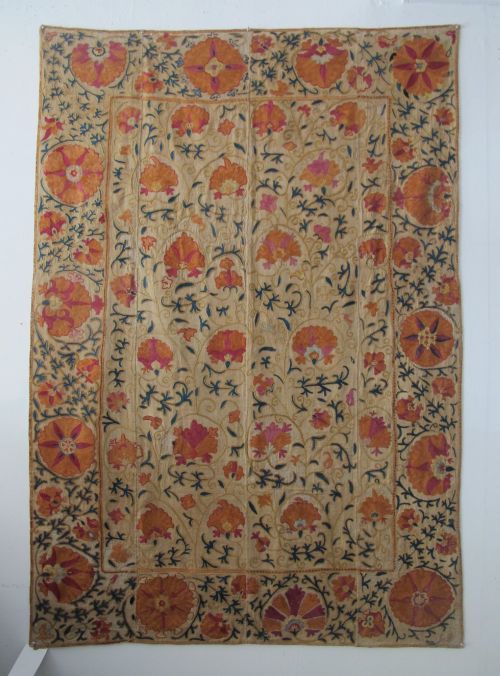
Certain pieces incorporate silk embroidery and intricate flat-woven details alongside standard wool construction. The combination of natural materials and regional weaving methods ensures each rug holds distinct structural characteristics.
Mid Century Tribal Rug Retail Price Guide 2026
Typical asking prices for mid century tribal rug among the pieces listed under this phrase on Sellingantiques today, from the lower quarter to the upper quarter. They describe what is for sale here now, not the wider market.
Listings on this page feature materials including hand-spun wool, silk, cotton, and natural dyes across various 19th-century and mid-century periods.
What varies in quality
Quality in these textiles rests upon the fineness of the weave and the clarity of the regional design. Tightly knotted examples with well-defined guls or prayer arches demonstrate superior technical skill from the weaver.
The choice and stability of natural dyes also dictate the overall standard of a piece. Well-preserved wool and harmonious colour saturation separate exceptional historical examples from simpler utility rugs.
The Mid Century Tribal Rug Glossary
- Torba
- A small Turkmen wall hanging or storage bag traditionally used in nomadic tents. These pieces often feature repeated gul motifs and fine wool knotting.
- Prayer rug
- A small rug featuring a mihrab or arch design used by Muslims for daily prayers. Turkish village examples frequently display distinct Konya or Mudjur regional patterns.
- Gul
- A medallion-like primary design motif found recurrently in Turkmen rugs and carpets. Each specific tribal group utilised distinct geometric variations of these patterns.
- Kilim
- A flat-woven carpet or tapestry produced without a pile by tightly interlacing warp and weft threads. These textiles are known for sharp geometric patterns and lighter weights.
Mid Century Tribal Rug: Frequently Asked Questions
How do I identify a tribal rug?
Look for geometric motifs, repeating tribal symbols like guls, and asymmetrical village designs rather than formal court patterns. The presence of hand-spun wool and natural dyes further points towards traditional nomadic production.
examine the structural weave on the reverse side to understand the specific regional origin. Many pieces also incorporate characteristic flat-woven ends or specific tribal colour palettes.
Where were these rugs made?
These textiles originate primarily from regions across Anatolia, Persia, and Central Asia. Nomadic tribes and village weavers produced them for domestic use or local trade.
specific towns and regions such as Konya, Kirsehir, and Uzbekistan each developed distinct visual styles. The resulting rugs reflect the specific cultural heritage of weavers like the Tekke, Saryk, and Qashqai.
How should I clean a wool rug?
Gentle vacuuming without a rotating brush helps remove surface dirt without damaging the hand-spun wool pile. Professional cleaning suited for antique textiles remains the safest option for deeper maintenance.
avoid harsh chemical detergents and excessive water exposure to protect the natural dyes. Promptly blot liquid spills rather than rubbing them into the fibres.
Can I use these rugs on the floor?
Many of these pieces function well as floor coverings in areas with moderate foot traffic. Using an appropriate underlay helps prevent slipping and reduces friction against the wool base.
fragile fragments or delicate wall hangings like torba faces are better suited for display away from heavy traffic. Assessing the pile depth and overall condition guides where each textile fits best in a home.