





Mid Century Shelving Unit
A mid century shelving unit brings practical storage and architectural line into a room through open tiers and glazed or fitted cabinets.
Mid Century Shelving Unit
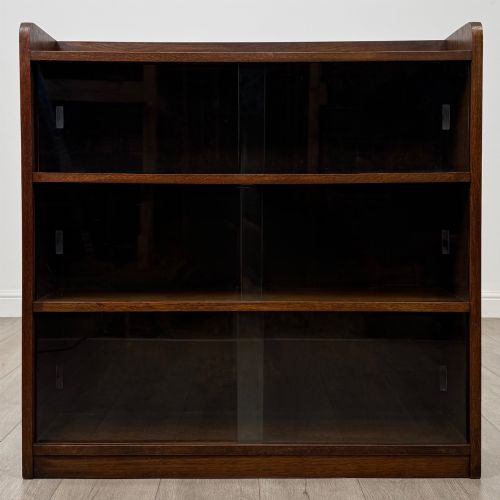
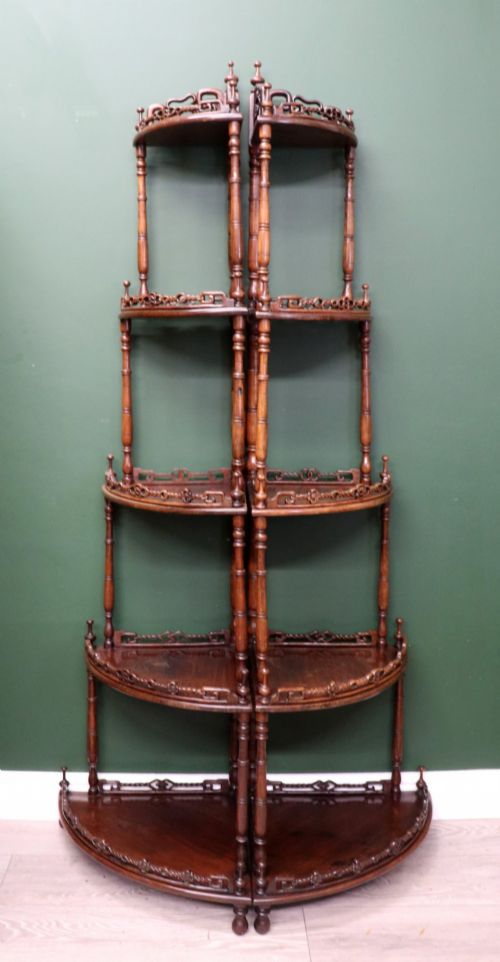
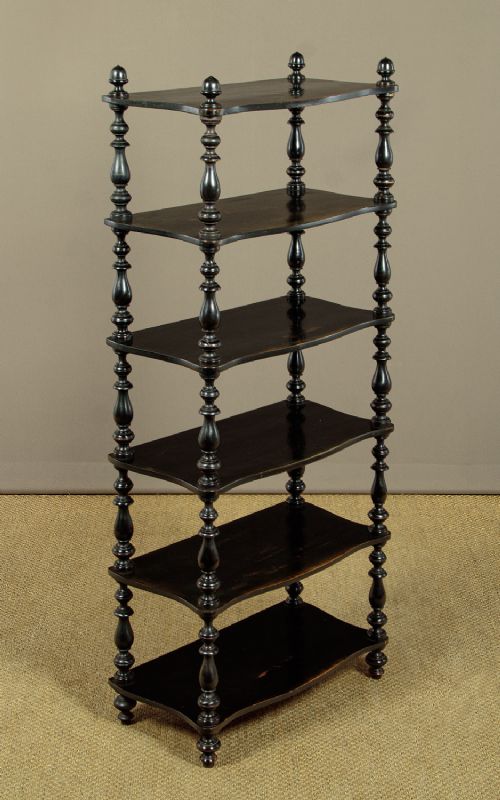
A mid century shelving unit encompasses open bookcases, multi-tiered etagere stands, and fitted cupboards originating across the nineteenth and twentieth centuries. These storage pieces deliver functional vertical display using diverse configurations like breakfront forms, corner brackets, and multi-tier stacking.
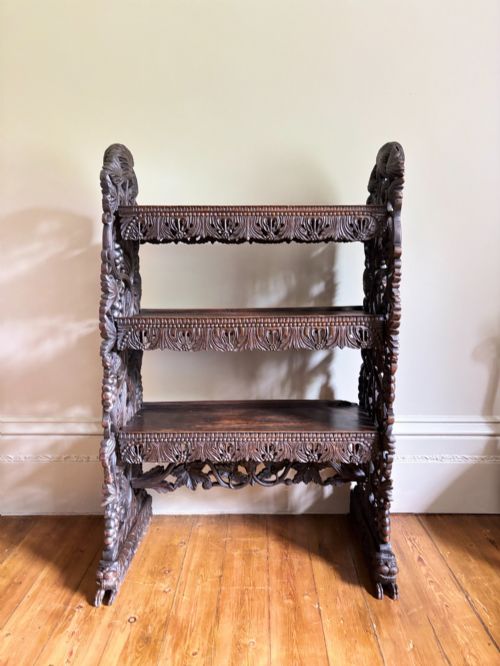
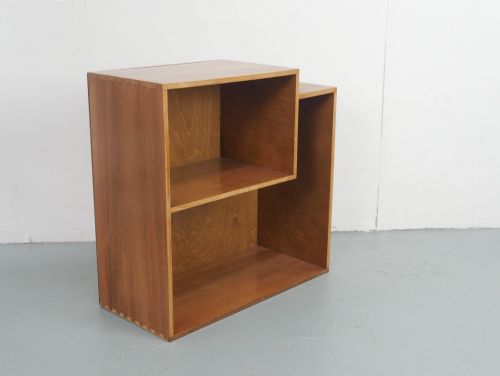
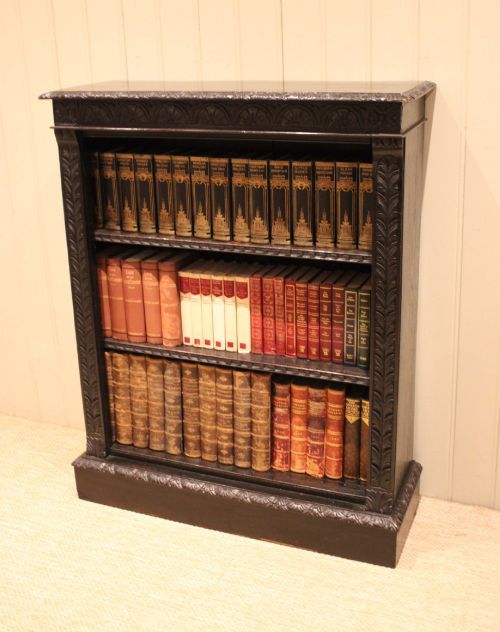
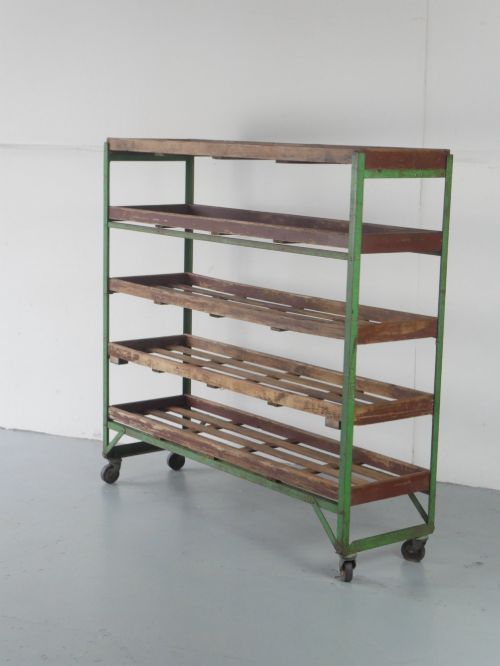
The selection ranges from industrial shelving racks and Danish oak cupboards to Victorian rosewood whatnots and Edwardian display cabinets with sliding glass doors. Buyers encounter traditional timber bookcases alongside lighter twentieth-century shelving solutions designed for modern interiors.
Makers and designers of note include firms like Heals and architects such as Sir Charles Barry, whose works span birdseye maple bookcases and art deco display designs. The unifying thread remains the dedicated provision of open or enclosed shelving for books and display.
Materials and construction methods
Construction relies on solid and veneered hardwoods including mahogany, oak, rosewood, walnut, birdseye maple, and pine, paired with structural brass galleries and glass doors. Timber selection dictates the weight and visual gravity of each storage piece, from heavy library bookcases to light etageres.
Joinery techniques incorporate tiered platforms supported by slender uprights, fitted shelving interiors, sliding glass mechanisms, and carved dome top cabinetry. Metal elements such as brass galleries add decorative and functional restraint to open tiers.
Mid Century Shelving Unit Retail Price Guide 2026
Typical asking prices for mid century shelving unit among the pieces listed under this phrase on Sellingantiques today, from the lower quarter to the upper quarter. They describe what is for sale here now, not the wider market.
Listings feature diverse materials including brass, oak, mahogany, rosewood, glass, pine, and wood veneer across multiple centuries.
Distinctions in craftsmanship and design
Quality reveals itself through timber selection, figure consistency in veneers like birdseye maple and rosewood, and the precision of structural joints across multiple tiers. Superior examples demonstrate architectural proportion, such as breakfront symmetry and integrated brass detailing.
Provenance and attribution elevate certain pieces, distinguishing standard utility shelving from architect-designed library bookcases and documented workshop productions.
Sir Charles Barry·Heals
The Mid Century Shelving Unit Glossary
- Whatnot
- A piece of furniture with multiple open shelves for displaying ornaments or books. This form became popular during the nineteenth century in various wood timbers.
- Breakfront
- A large piece of furniture whose central section projects forward from the flanking wings. This architectural layout creates depth and visual rhythm in library bookcases.
- Dumb waiter
- A tiered stand or sideboard accessory used historically for serving food or holding tableware. Nineteenth-century examples often utilise multiple graduated circular or square tiers.
Mid Century Shelving Unit: Frequently Asked Questions
What is a mid century shelving unit?
A mid century shelving unit is a practical storage and display structure featuring open tiers, shelves, or cabinets. These pieces combine utility with decorative presence across various historical periods.
Designs range from multi-tiered rosewood whatnots to oak bookcases and industrial shelving racks, serving multiple domestic functions.
How do I choose between an etagere and a bookcase?
An etagere provides open, multi-level platforms primarily intended for display rather than heavy book storage. They offer lighter visual weight within a room.
Bookcases deliver enclosed or open shelving specifically scaled for volumes and heavier items, often featuring doors or breakfront facades.
What timbers are common in these shelving units?
Mahogany and oak appear frequently across nineteenth and twentieth-century shelving, offering durability and traditional grain patterns. Rosewood and birdseye maple provide highly figured alternatives for more decorative commissions.
Pine and wood veneer serve in secondary or later utilitarian contexts, supplemented by brass and glass elements.
Where should I place a tiered whatnot?
A tiered whatnot suits corners or central freestanding positions where its multi-level display capacity is visible from multiple angles. Their compact footprints accommodate smaller rooms.
They function effectively alongside seating areas or within libraries for holding decorative objects and smaller volumes.