



Mid Century Seating Set
A mid century seating set gathers multiple chairs or stools designed to match around a table or within a room, bringing period character and matched seating together.
Mid Century Seating Set
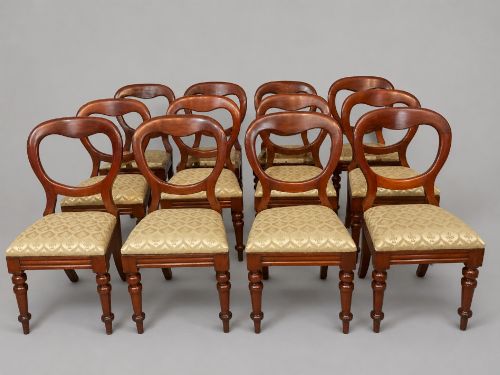
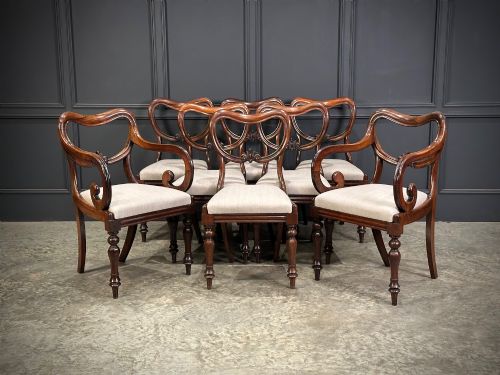
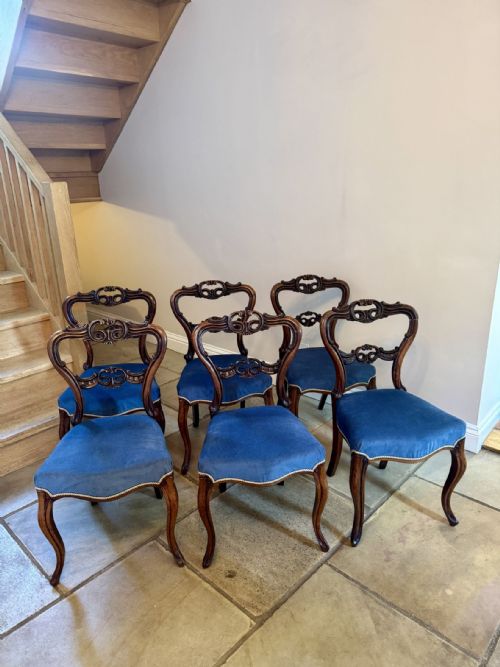
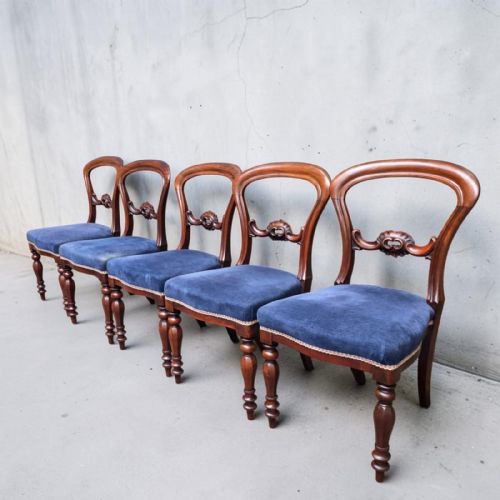
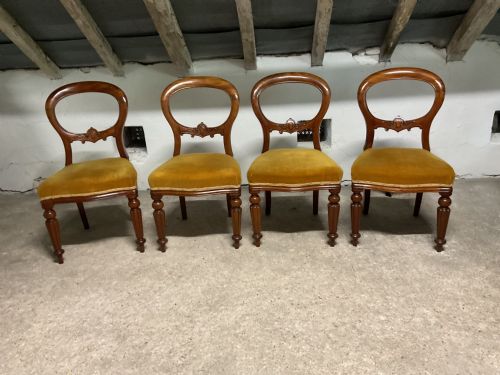
A mid century seating set brings together matching chairs or stools originating from various periods and design traditions. When you search for a mid century seating set, you encounter groupings that span Victorian balloon back chairs to French mid-century modern pieces and earlier mahogany forms.
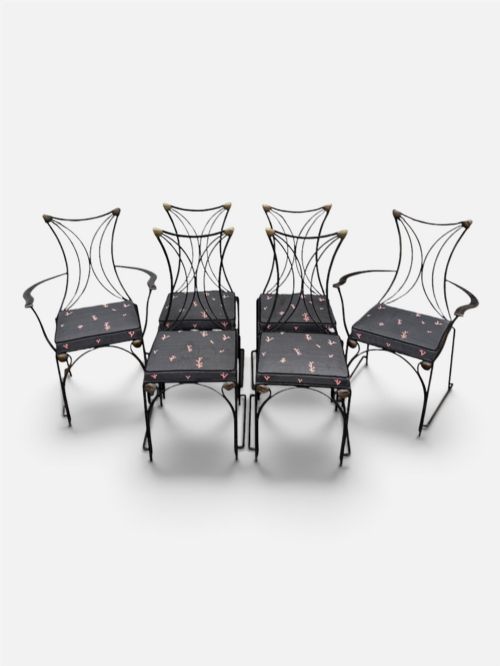
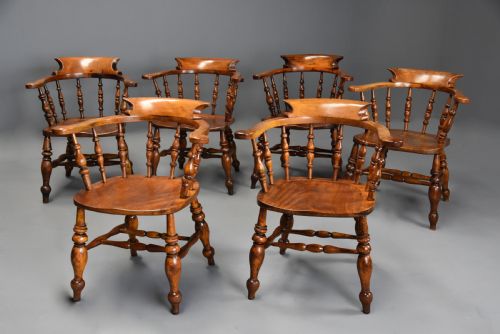
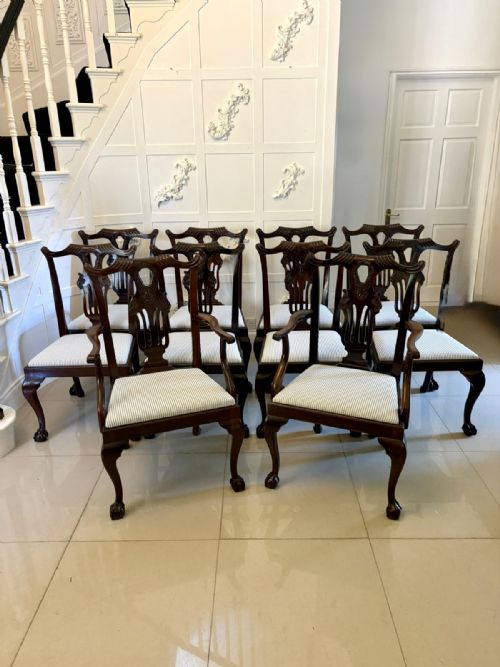
The selections on this page rely heavily on nineteenth-century and Victorian pieces, alongside twentieth-century designs like bentwood stools and French wrought iron dining chairs. These groupings include dining chairs, armchairs, bedroom chairs, and high stools constructed in sets ranging from pairs up to ten pieces.
Materials and Construction
The pieces in these sets utilise dense hardwoods such as mahogany, rosewood, walnut, and beech, frequently shaped into curved rails and carved supports. Cabinet makers employed traditional joinery alongside turned woodwork and bentwood techniques to achieve stable frames.
Upholstery forms an essential component of many sets, utilising fabric and velvet over supportive interiors. Metal elements also appear, notably in wrought iron and brass frameworks used for twentieth-century French seating.
Mid Century Seating Set Retail Price Guide 2026
Typical asking prices for mid century seating set among the pieces listed under this phrase on Sellingantiques today, from the lower quarter to the upper quarter. They describe what is for sale here now, not the wider market.
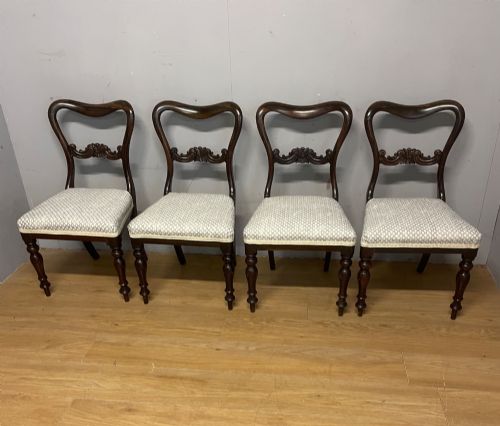
Listings include nineteenth-century rosewood dining chairs alongside twentieth-century bentwood stools and French wrought iron chairs.
Assessing the Standard
Quality in these sets rests upon the selection of timber and the precision of the carving, particularly where ball and claw feet or intricate back rails are present. Sets that display uniform grain patterns and consistent colour across every chair command greater attention.
The integrity of the frame construction and the neatness of the upholstery finish differentiate standard groupings from superior examples. Consistency across all items in a set dictates how well the group holds together visually and structurally.
The Mid Century Seating Set Glossary
- Balloon back
- A chair back shaped in a continuous curved oval resembling a balloon, popular during the Victorian period. This design relies on steam-bent timber to achieve its characteristic silhouette.
- Carver
- An armchair designed to match a set of smaller dining chairs, typically placed at the head of a dining table. These chairs feature extended armrests supported by uprights.
- Bentwood
- Wood that has been rendered pliable by steaming and then bent into curved forms under pressure. This technique produced lightweight stools and chairs in the nineteenth and twentieth centuries.
- Chippendale style
- Furniture designs influenced by the eighteenth-century cabinet maker Thomas Chippendale, featuring carved details such as ball and claw feet and interlaced splats.
Mid Century Seating Set: Frequently Asked Questions
How many chairs come in a typical set?
Sets vary widely in size, ranging from pairs of bedroom chairs and small groups of three or four up to larger collections of six, eight, or ten dining chairs. The count depends entirely on the original commission and how many pieces survived intact.
Buyers should check the specific listing details to confirm the exact number of chairs included in the group before making a decision.
Can these chairs be used for daily dining?
Many nineteenth and twentieth-century dining chairs remain sturdy enough for regular daily use when the underlying wooden frames are sound and secure. Periodic checks of the joints ensure the chairs stay stable under daily weight.
Modern buyers often pair these historic seating groups with contemporary dining tables to create a mixed interior aesthetic.
How do I care for rosewood and mahogany frames?
Maintaining hardwood frames involves dusting them regularly with a soft cloth and avoiding placement near direct heat sources or strong sunlight. These precautions prevent the wood from drying out or splitting over time.
Applying a suitable wax polish occasionally helps nourish the timber and maintains the natural lustre of the polished surface.