





Mid Century Round Table
A mid century round table brings organic circular geometry to a room, ranging from mahogany centrepieces to brass-framed coffee designs.
Mid Century Round Table
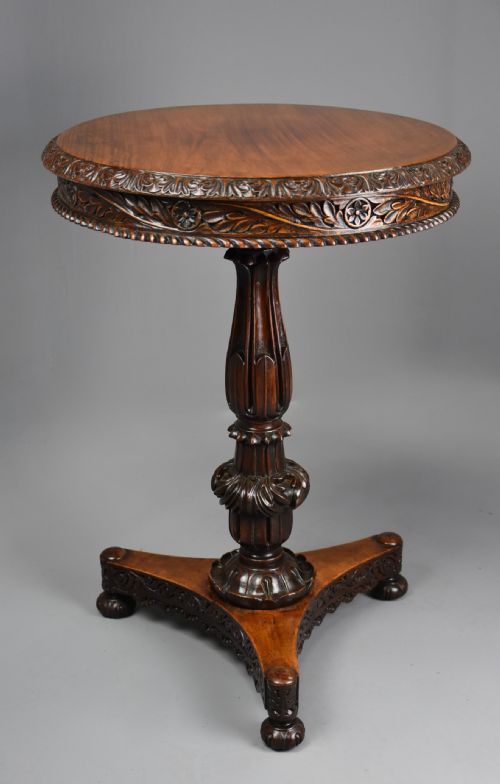
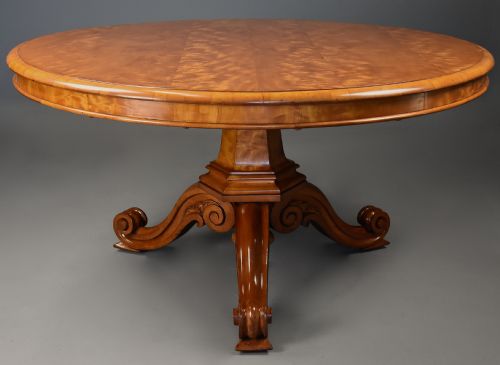
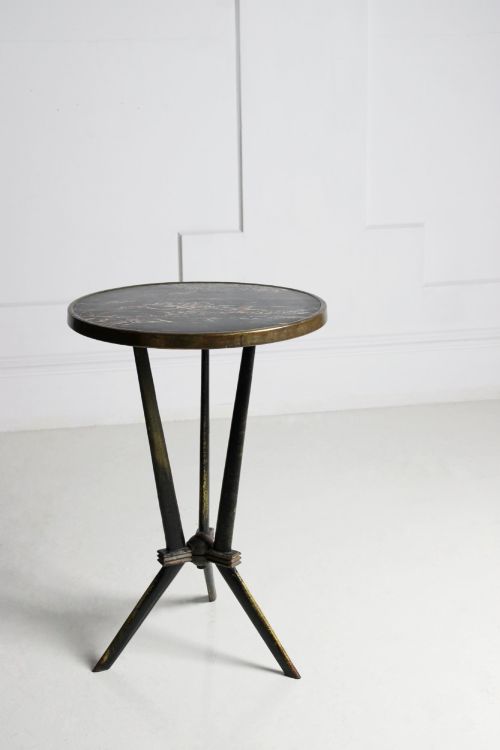
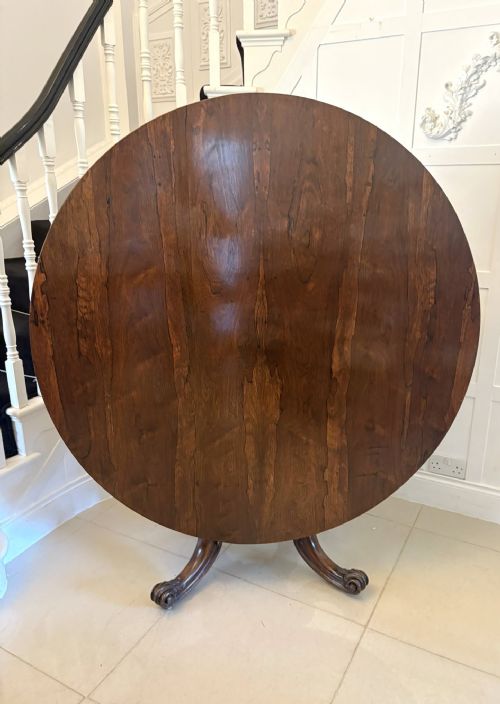
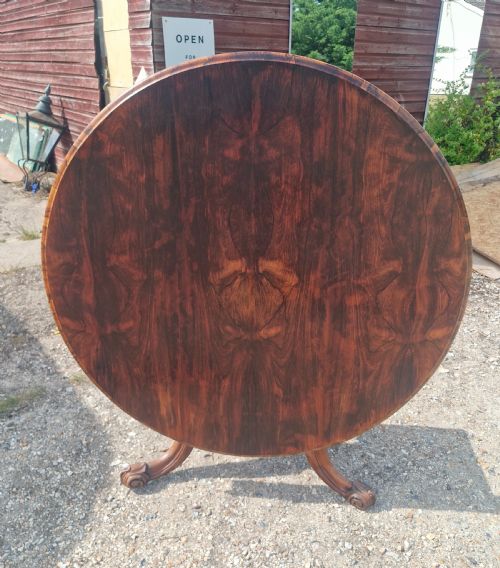
When you search for a mid century round table, you encounter circular designs spanning several eras rather than a single decade. The selection includes Victorian rosewood and padouk examples alongside mid-century coffee tables and twentieth-century occasional pieces.
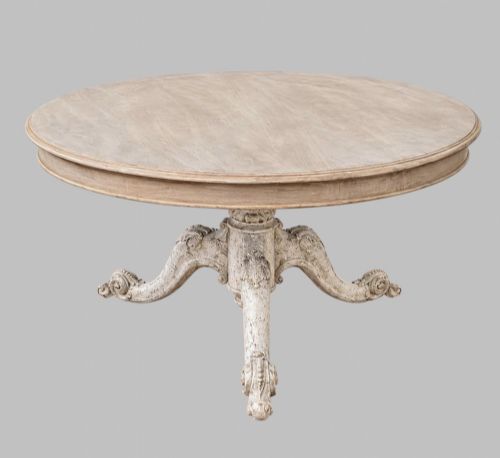
Forms vary from large dining tables and centre tables to smaller coffee tables, bistro tables, and occasional pieces. Many originate from British, French, Swedish, and Italian workshops, reflecting diverse regional cabinet-making traditions across the nineteenth and twentieth centuries.
How they were made
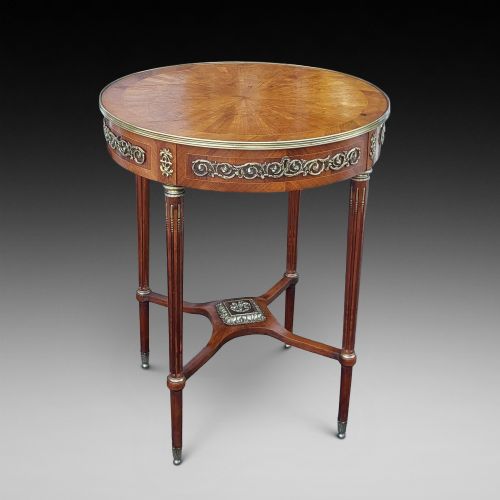
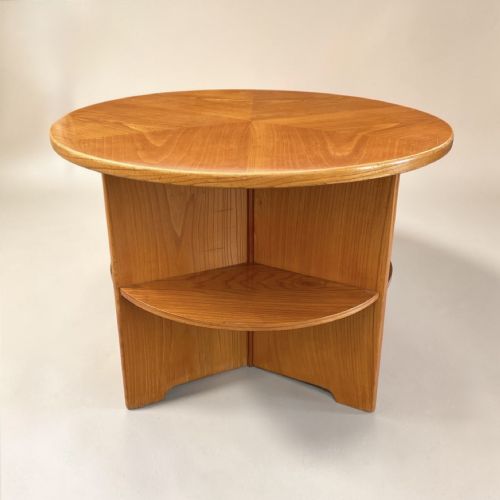
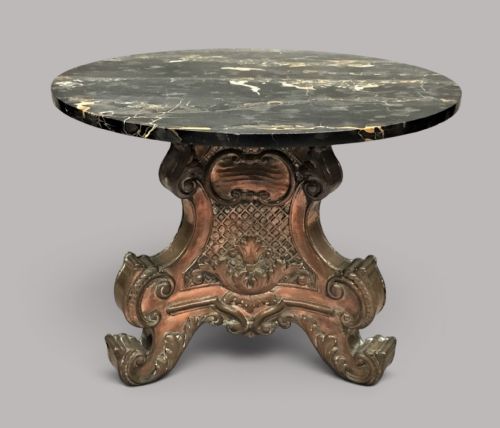
Cabinet makers utilised dense hardwoods such as rosewood, mahogany, padouk, and birch, often applying figured veneers to circular tops. Surface enrichment includes intricate wood inlays, brass mounts, rhodium plating, and inlaid marble panels.
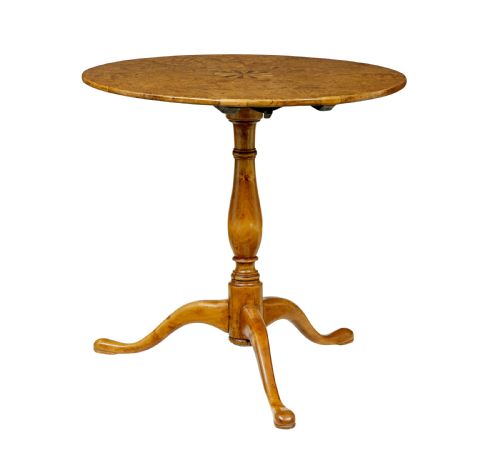
Structural engineering ranges from sturdy central pedestals on tilt-top breakfast tables to cast iron bases on bistro designs and four-legged frames supporting glass or stone tops.
Mid Century Round Table Retail Price Guide 2026
Typical asking prices for mid century round table among the pieces listed under this phrase on Sellingantiques today, from the lower quarter to the upper quarter. They describe what is for sale here now, not the wider market.
The inventory encompasses diverse forms including tilt-top breakfast tables, bistro pieces, centre tables, and low coffee tables.
What varies in quality
The standard of a round table depends heavily on the selection of timber veneers and the precision of the joinery around the circular edge. Highly figured grain patterns and symmetrical wood matching distinguish superior examples from plain utility pieces.
Execution of decorative details, from hand-carved rosewood pedestals to quality brass fittings and fitted interior writing slopes, marks the distinction between standard production and exceptional craftsmanship.
Imhof·Ernest Hemingway collection·Cartier London·Jaeger·Jaeger Le Coultre·B Battioli, Varese
The Mid Century Round Table Glossary
- Tilt top
- A circular tabletop hinged to the central pedestal so it can tilt vertically when not in use. This mechanism allowed tables to be stored flat against a wall in smaller spaces.
- Centre table
- A freestanding table designed to be viewed from all sides rather than pushed against a wall. These pieces typically occupy the middle of a room.
- Occasional table
- A small, movable table intended for specific, intermittent use within a living space. Examples include tea tables and small display stands.
- Bistro table
- A small café-style table often featuring a cast iron base and a durable top. These are built for commercial or domestic hospitality use.
- Veneer
- A thin layer of finely figured wood applied over a secondary timber base. This technique allows makers to display striking grain patterns economically.
Mid Century Round Table: Frequently Asked Questions
Where should I place a centre table?
A centre table is built to be seen from all angles, making it ideal for the middle of a principal room or a spacious hallway. It functions as a visual anchor where you can display decorative objects or lamps.
Ensure there is sufficient clearance around the circumference for comfortable movement and seating access within the room.
How do I identify a Victorian round table?
Victorian round tables frequently employ dense timbers like rosewood, mahogany, and walnut with substantial central pedestals. Many incorporate heavy carved details or tilt-top mechanisms dating from the mid-nineteenth century.
Construction methods typical of this era include hand-cut joinery and heavy secondary woods beneath the visible show veneers.
What materials are used in mid century coffee tables?
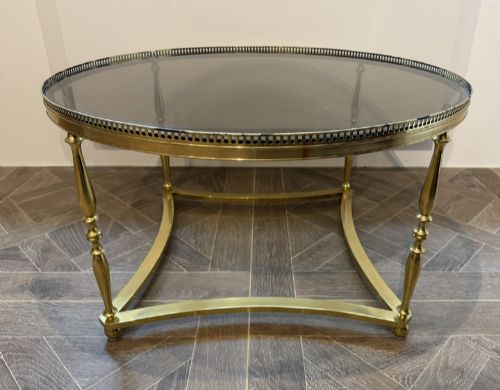
Mid-century coffee tables utilise a diverse mix of traditional woods, metals, and stone. You will find pieces combining brass, glass, marble, oak, and specialised plated finishes.
These materials reflect changing interior aesthetics through the twentieth century, moving toward cleaner lines and contrasting industrial elements.