



Mid Century Pastel
Mid century pastel works bring together expressive draftsmanship and soft colour palettes from across the decades.
Mid Century Pastel
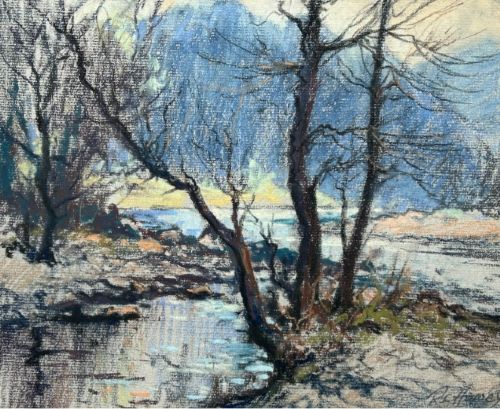
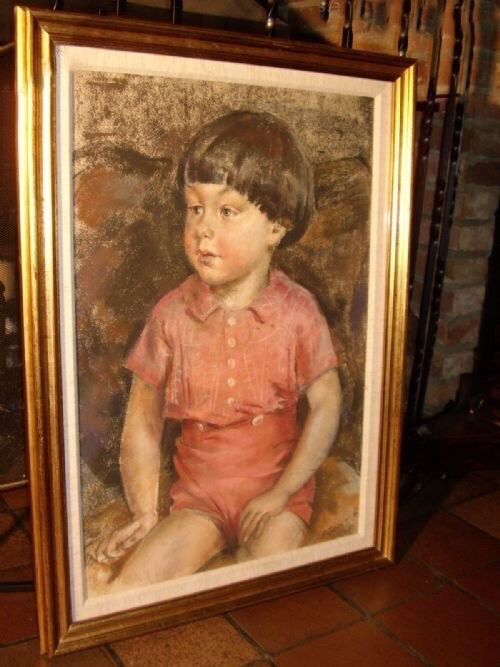
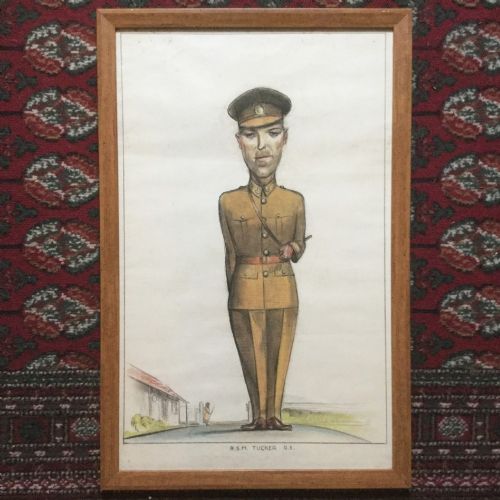
When searching for mid century pastel, collectors encounter a diverse group of works on paper, canvas and card spanning landscape views and character portraits. The pieces appearing here reach back through the mid-20th century, touching upon styles from wartime illustration to modern British and post-impressionism.
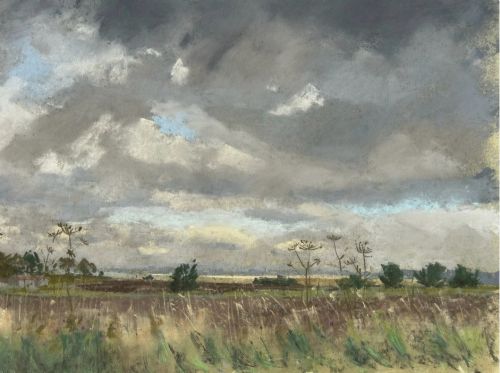
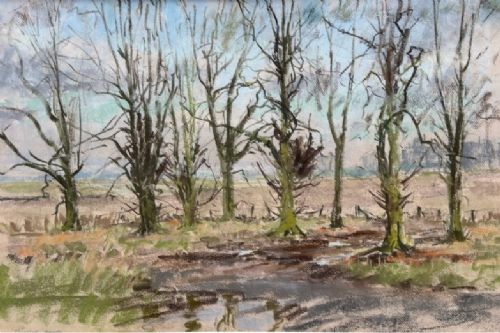
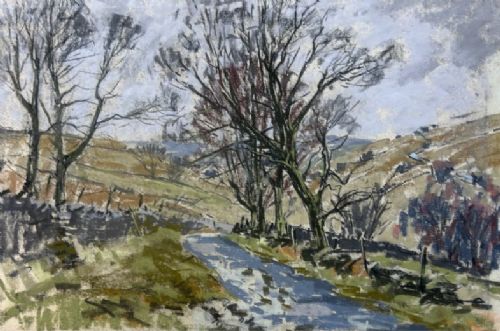
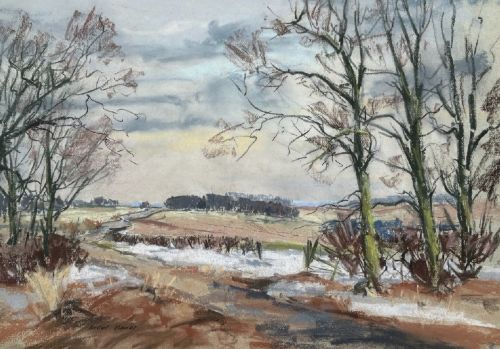
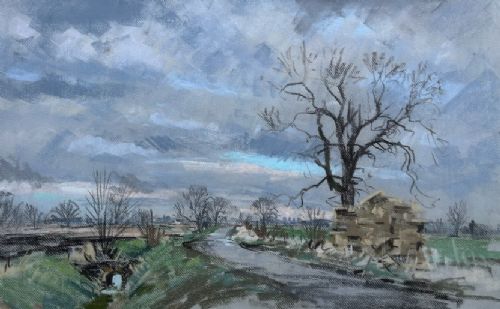
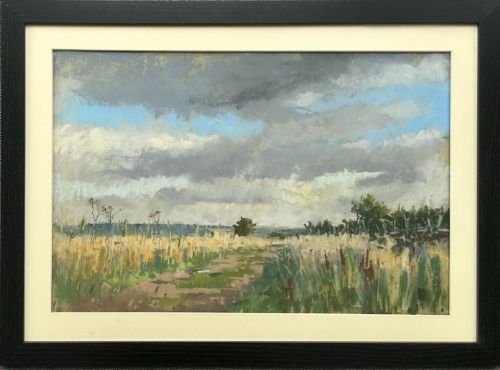
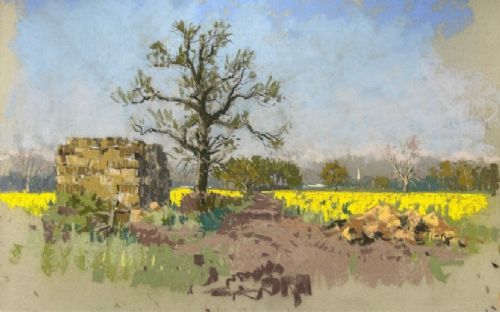
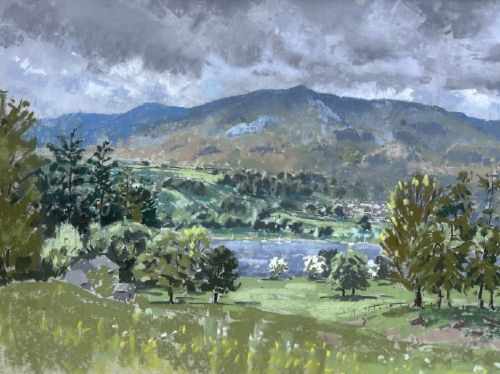
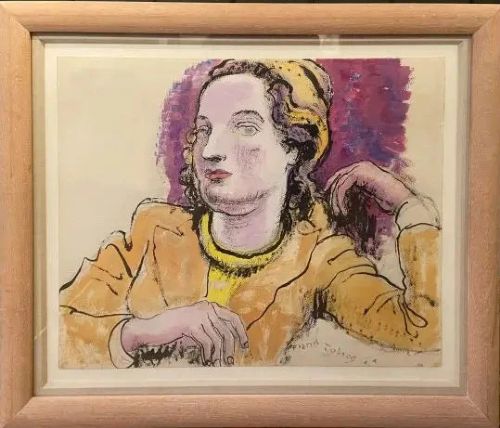
Landscapes form a prominent strand within the selection, often capturing British rural scenes from Yorkshire to the Lake District, alongside occasional continental harbour views. Alongside these topographical works, figurative art, female nudes and military portraits demonstrate the medium's versatility in capturing human subjects.
The material surface varies significantly, bringing together pure pastel strokes alongside mixed media combinations involving gouache, charcoal and watercolour. Framing is common, preserving fragile surfaces that rely on pigment bound in stick form rather than liquid paint.
Materials and technique
Artists utilise dry pigment sticks composed of powdered colour and a binder, applying them directly to paper, card or sometimes canvas surfaces. The resulting marks range from heavy, blended areas of tone to fine linear hatching that allows the underlying support to show through.
Many practitioners combine pastel with gouache, watercolour or charcoal to build up layers of texture and depth within a single composition. Because the material remains delicate and prone to smudging, framing behind glass with a protective mount is essential for long-term preservation.
Mid Century Pastel Retail Price Guide 2026
Typical asking prices for mid century pastel among the pieces listed under this phrase on Sellingantiques today, from the lower quarter to the upper quarter. They describe what is for sale here now, not the wider market.
Listings feature works executed on paper, canvas, card and glass, spanning periods from the nineteenth century through the 1960s.
Assessing quality in the medium
Quality rests upon the sureness of the draftsmanship and the artist's ability to capture light and atmosphere with limited blending. Stronger examples display confident, purposeful marks that define form efficiently, whereas weaker pieces rely on excessive smudging to mask hesitant lines.
The handling of colour distinguishes finer compositions, where subtle tones create luminous effects rather than flat, chalky areas. Provenance and association with known artist portfolios or exhibition records further elevate individual works within the broader field.
Angus Rands·Robert Leslie Howey·Frank Dobson·Samuel Rabin·John Rattenbury Skeaping·Gyrth Russell·Aubrey Sykes
The Mid Century Pastel Glossary
- Pastel
- A dry painting medium consisting of powdered pigment combined with a binder and pressed into stick form. It produces velvety surfaces rich in pure colour.
- Gouache
- An opaque water-soluble paint often used alongside pastel to add solid highlights and opaque colour blocks to works on paper.
- Post-Impressionism
- An art movement extending beyond impressionism that prioritised expressive forms and symbolic colour over realistic representation.
- Modern British
- A broad classification for twentieth-century art produced within Britain that absorbed various European modernist influences.
Mid Century Pastel: Frequently Asked Questions
How should I frame a mid century pastel?
Pastel works require framing behind glass with a mount or spacer to ensure the delicate pigment does not touch the glass surface.
Direct contact between the paper and glass can trap moisture and cause permanent damage to the friable medium.
Are these works originals?
The selections consist of hand-drawn and painted original works rather than mass-produced reproductions or prints.
Each piece bears the distinct physical marks and textures left by the artist's hand during the creative process.
What surfaces were used for these pieces?
Artists typically worked on paper, card or prepared canvas surfaces that possessed enough tooth to grip the dry pigment particles.
Coloured paper stocks were frequently utilised to influence the overall tonal harmony of the finished composition.