


Mid Century Paper Art
Mid century paper art encompasses delicate watercolours, bold lithographs, and expressive ink drawings created during a transformative period of modern design.
Mid Century Paper Art
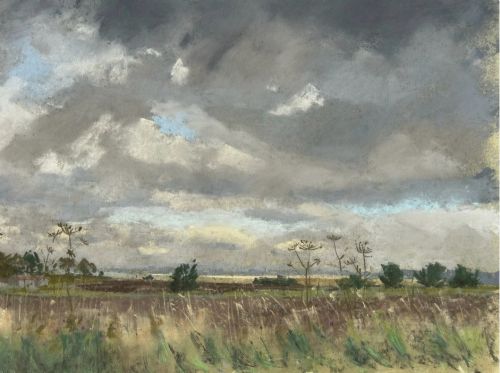
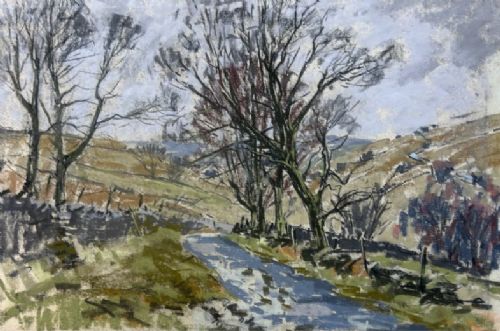
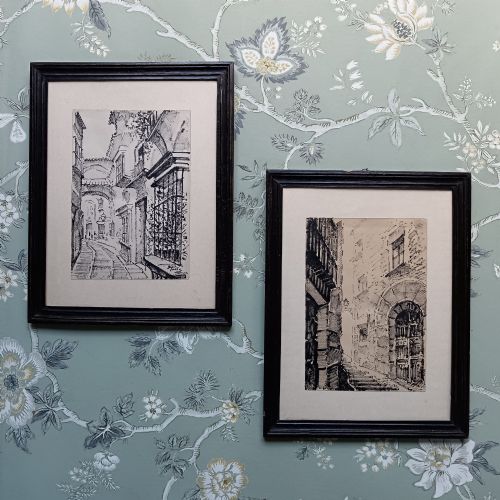
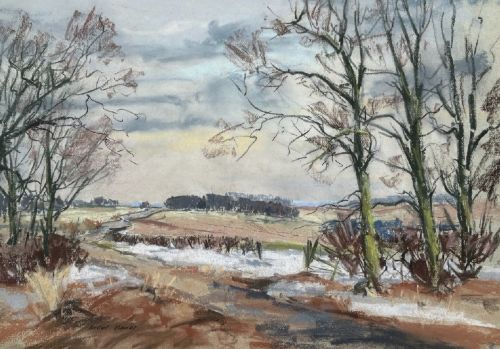
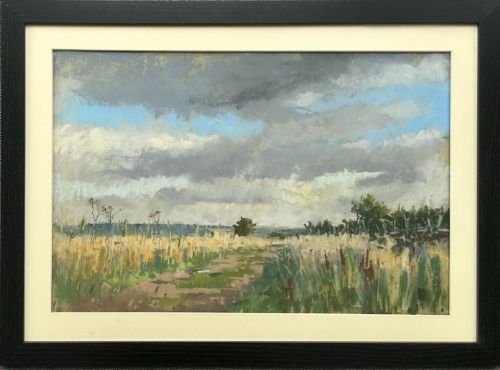
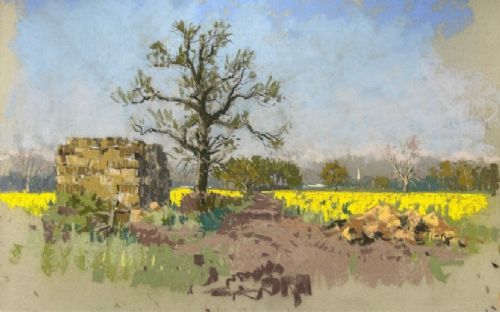
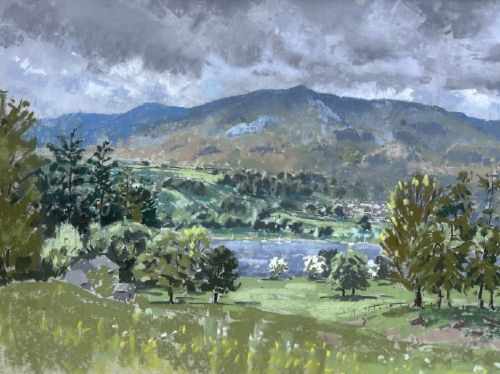
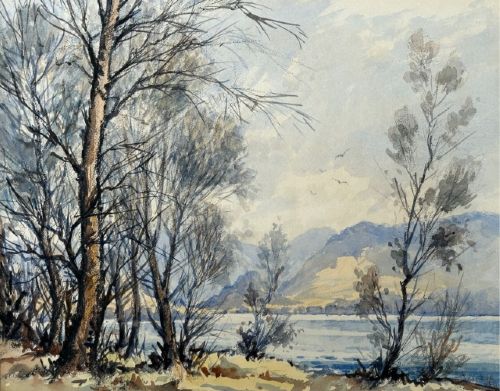
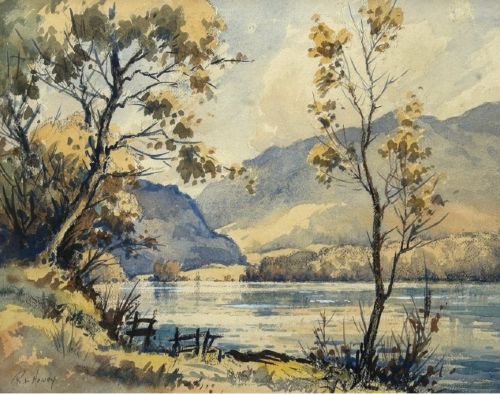
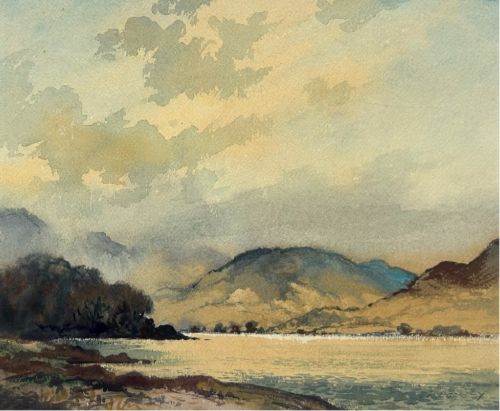
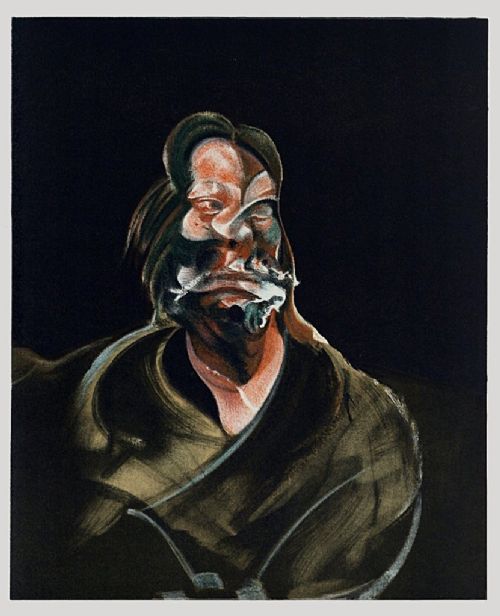
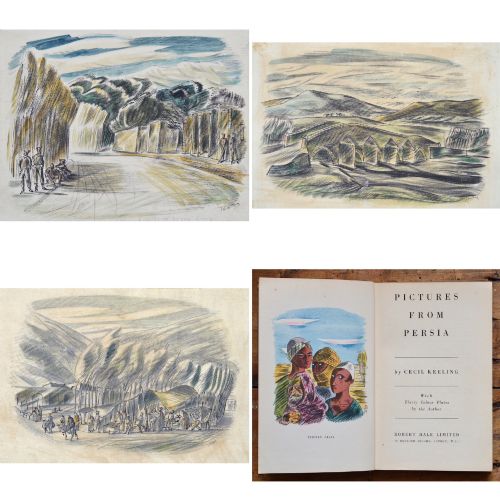
Mid century paper art encompasses original works on paper produced across the mid-twentieth century, capturing the shifting visual language of the era. Buyers encounter varied formats including landscape watercolours, modernist lithographs, ink drawings, and gouache paintings.
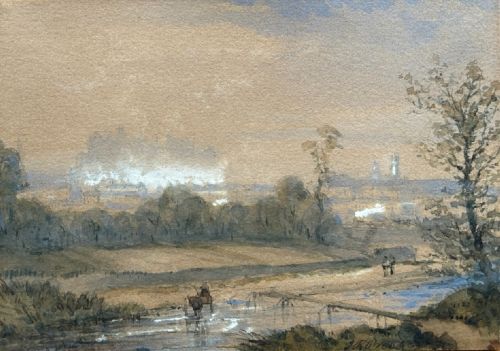
The selection ranges from expressive British school landscapes and wartime studies to French abstraction and Japanese woodblock prints. Works span from atmospheric depictions of rural scenes to sharp architectural and maritime compositions.
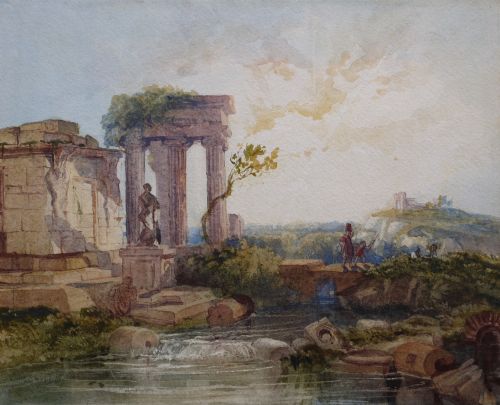
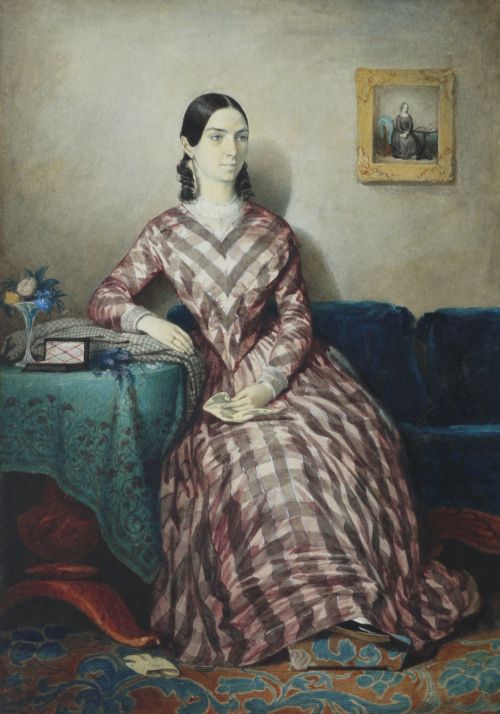
While mid-twentieth-century examples dominate the selection, the category occasionally incorporates earlier Victorian silhouettes and nineteenth-century watercolours that provide context for later artistic developments.
Materials and techniques
Artists utilised traditional supports of paper, working directly with fluid mediums like watercolour, gouache, and ink. Pigments were applied to capture both transparent washes and opaque, vibrant colour fields.
Dry mediums such as graphite, pastel, and chalk provided precision for figurative studies, portraits, and anatomical drawings. Printmakers employed lithography and woodblock techniques to produce multiples on paper surfaces.
Mid Century Paper Art Retail Price Guide 2026
Typical asking prices for mid century paper art among the pieces listed under this phrase on Sellingantiques today, from the lower quarter to the upper quarter. They describe what is for sale here now, not the wider market.
Listings feature works executed in watercolour, gouache, ink, pastel, graphite, and glass across the 1930s, 1940s, and 1950s.
Distinctions in quality
Quality rests upon the sureness of the hand, the decisiveness of the line, and how effectively the artist mastered their chosen medium on paper. Confident brushwork and balanced composition distinguish accomplished works from routine studies.
Condition and preservation play a vital role, as paper reacts directly to light, moisture, and acidity over decades. Strong provenance, signed attribution, and exhibition history elevate specific pieces within the overarching category.
Marc Chagall·Cecil Beaton·Frank Dobson·Sir Peter Blake·Edward Seago
The Mid Century Paper Art Glossary
- Lithography
- A planographic printing process utilising stone or metal plates to transfer ink onto paper. Artists drew directly onto the surface to create original multiples.
- Gouache
- An opaque water-based paint that dries to a matte finish. It allows for dense colour application and sharp contrast on paper supports.
- Watercolour
- A transparent medium where pigments are suspended in a water-soluble binder. Washes are built in layers to exploit the reflective quality of the paper beneath.
- Woodblock print
- A relief printing technique where an image is carved into wood and transferred to paper. This method demands precise cutting and careful alignment of pigments.
Mid Century Paper Art: Frequently Asked Questions
How should I frame and display paper art?
Works on paper require conservation-grade mounting to prevent direct contact with glass, which protects the delicate surface from moisture and condensation.
Position framed pieces away from direct sunlight to prevent fading of watercolours, inks, and coloured papers over time.
What defines mid-century modernist styles?
Mid-century modernism prioritised simplified forms, expressive brushwork, and a departure from strict academic realism in favour of personal interpretation.
Artists experimented with flattened perspective and vibrant colour palettes to reflect the changing social and industrial landscape.
How do I distinguish original prints from reproductions?
Original prints examined under magnification reveal plate marks, slight ink variations, and the specific texture of the paper surface characteristic of hand-printing.
Photomechanical reproductions display uniform dot patterns and lack the depth and physical impression found on original lithographs and woodblocks.
Why are works on paper often unframed or mounted?
Many drawings and watercolours were stored in portfolios by artists or collectors rather than hung permanently on walls.
Unframed pieces allow new owners to select conservation framing that suits their specific interior aesthetic while ensuring proper protection.