



Mid Century Oak Table
A mid century oak table brings solid timber grain and centuries of domestic history straight into a room, offering a sturdy surface for daily life.
Mid Century Oak Table
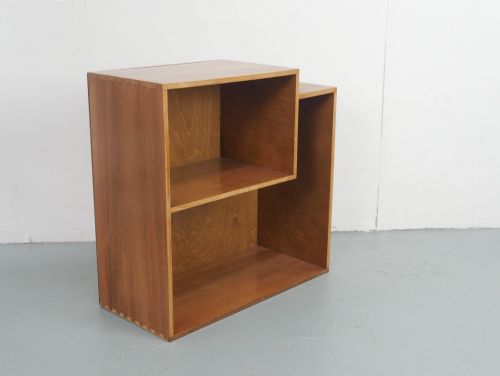
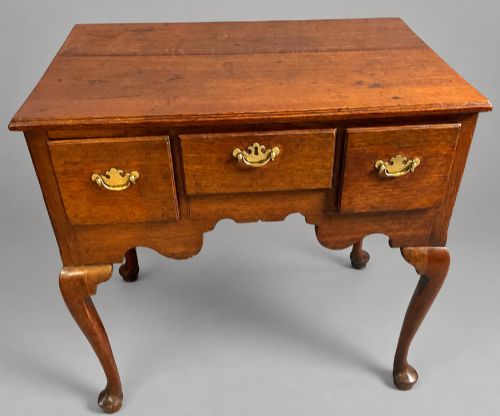
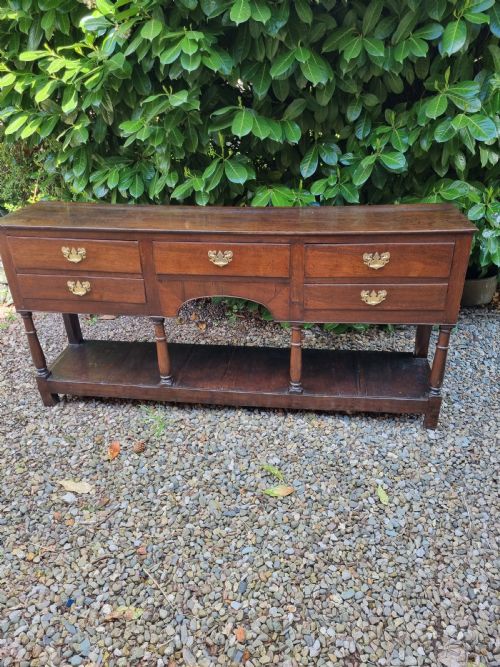
A mid century oak table encompasses everything from eighteenth-century lowboys and Welsh dresser bases to twentieth-century office desks and coffee tables. When searching this phrase, buyers encounter both vernacular country furniture and distinct modernist or Art Deco interpretations shaped from sturdy timber.
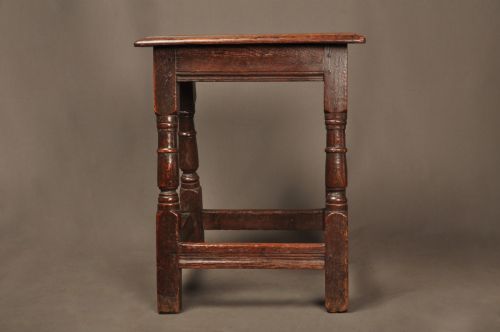
The selection ranges across centuries, pulling together seventeenth-century joint stools, Georgian side tables, and mid-twentieth-century designs. Side tables, lowboys, and coffee tables dominate the forms, alongside larger library and refectory formats intended for practical use.
Origins stretch across English regional workshops, Welsh vernacular makers, French ateliers, and Scottish joinery. This variety ensures that a mid century oak table functions equally well as a central writing surface, a hallway console, or a low coffee table in a modern interior.
What varies in quality
Quality rests primarily on the character of the timber and the depth of the finish, particularly where patination develops over decades of handling. Pieces featuring burr or pollard oak display greater ornamental ambition than plain utility items.
Structural integrity depends on original joinery, timber selection, and the restraint applied during past restorations. Finer examples retain their original brass hardware, uncompromised drawer linings, and untouched surface patinas.
Mid Century Oak Table Retail Price Guide 2026
Typical asking prices for mid century oak table among the pieces listed under this phrase on Sellingantiques today, from the lower quarter to the upper quarter. They describe what is for sale here now, not the wider market.
Listings feature oak alongside secondary materials such as brass, leather, ceramic, and marble.
Étienne Kohlmann·James Winter And Sons·TH Filmer And Sons
The Mid Century Oak Table Glossary
- Lowboy
- A small oak table with drawers, typically raised on four tall legs and functioning as a dressing or side table during the eighteenth century.
- Joint stool
- A sturdy wooden stool constructed with mortise and tenon joints, dating frequently to the seventeenth century and used for seating or small side surfaces.
- Pollard oak
- Timber taken from trees that have been pollarded, producing dense, highly figured wood utilised for decorative veneers on tabletops.
- Refectory table
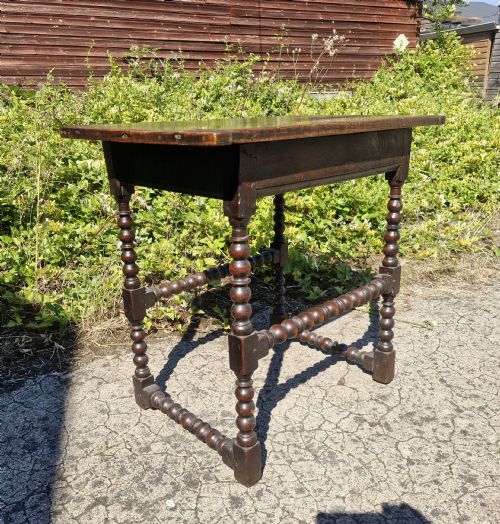
- A long, narrow dining table traditionally found in communal halls, built with substantial oak timbers and steady stretcher bases.
- Birdcage
- A pivoting wooden mechanism beneath a tilt-top tripod table that allows the surface to rotate and fold flat when not in use.
Mid Century Oak Table: Frequently Asked Questions
How do I date an oak table?
Dating relies on examining the construction methods, tool marks left on the underside, and the specific style of the legs and mouldings. Eighteenth-century pieces often display hand-sawn timber and pegged joints.
Later nineteenth- and twentieth-century examples incorporate machine-cut elements, standardised fixings, and distinct revival styles or modernist lines that match their manufacturing era.
Were these tables used for dining?
Certain forms, such as refectory tables, tavern tables, and gateleg designs, were built specifically for serving meals and gathering people together. Smaller side tables and lowboys served domestic functions like holding washbasins or writing materials.
Dining applications depend entirely on the height and surface area of the individual piece, as many surviving formats were designed for display or occasional tasks.
How should I care for solid oak furniture?
Solid oak responds best to stable indoor humidity levels away from direct heat sources and strong sunlight, which can dry out the timber. Regular dusting with a soft, dry cloth preserves the finish without building up heavy chemical residues.
Applying a light coat of natural beeswax periodically helps nourish the wood and maintain a gentle sheen on older surfaces.
What is the difference between a lowboy and a side table?
A lowboy specifically refers to a small, table-like piece featuring one or more rows of drawers beneath the working surface. Side tables encompass a broader category that includes drawerless designs, gatelegs, and tiered console formats.
Both types served similar domestic functions in hallways and parlours, but the presence of drawers defines the traditional lowboy.