






Mid Century Glass Mirror
A mid century glass mirror brings distinct reflective depth and period character into a modern interior.
Mid Century Glass Mirror
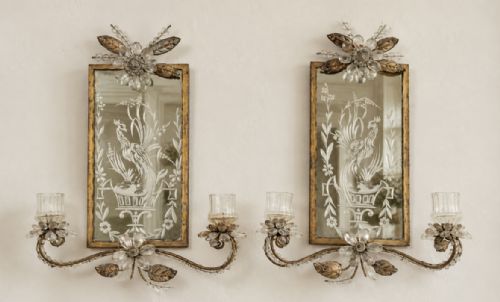
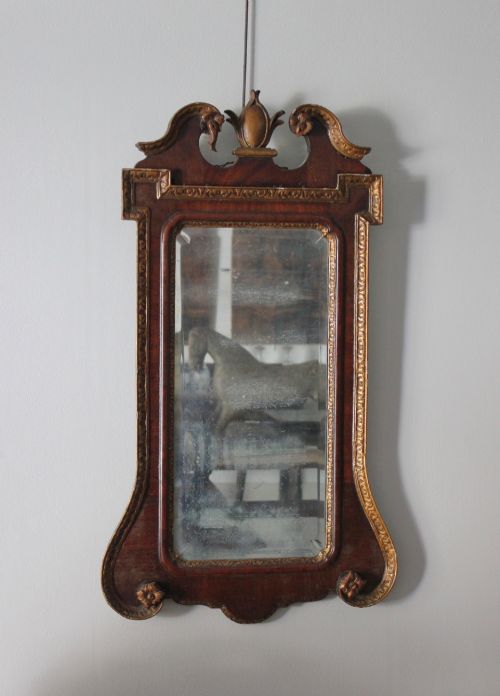
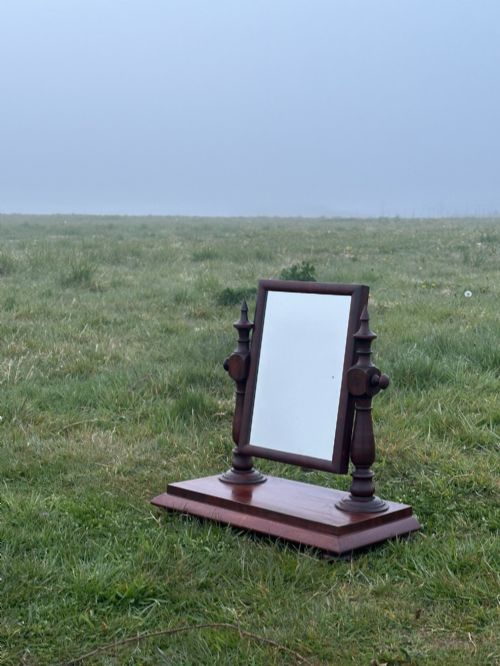
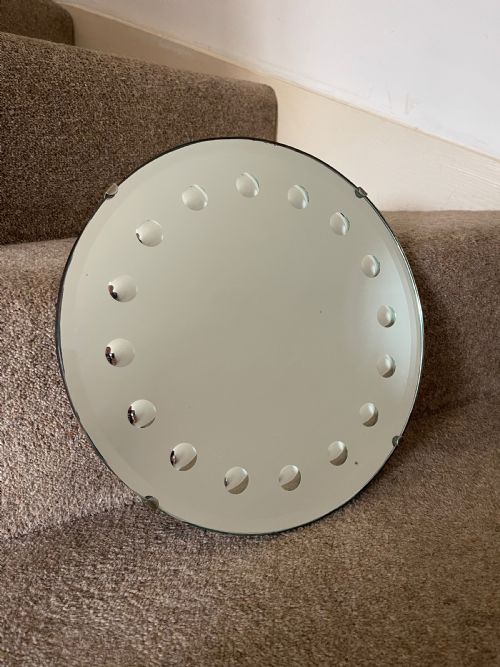
When you search for mid century glass mirror, you encounter a selection spanning various historical periods alongside mid-century examples. The pieces on this page include wall mirrors, dressing mirrors, trays, and coffee tables created across different centuries.
The assortment brings together English, Scottish, French, and Italian origins in materials such as mahogany, giltwood, gesso, and brass. You will find forms ranging from 18th-century Georgian walnut pieces to 20th-century fun house mirrors and Italian glass trays.
How they were made
Construction relies on traditional woodworking and framing techniques paired with sheet glass. Makers shaped frames from timbers like mahogany, satinwood, and walnut, or applied gesso and leaf to giltwood surfaces.
Specialised forms incorporate decorative elements such as carved details, velvet framing, and specialised silvering. Glass panels are fitted securely within these wooden or metal structures to create functional mirrors and decorative low tables.
Mid Century Glass Mirror Retail Price Guide 2026
Typical asking prices for mid century glass mirror among the pieces listed under this phrase on Sellingantiques today, from the lower quarter to the upper quarter. They describe what is for sale here now, not the wider market.
Listings feature items spanning the eighteenth, nineteenth, and twentieth centuries, incorporating materials such as mahogany, satinwood, brass, and giltwood.
What varies in quality
Quality differences stem from the intricacy of the frame carving and the purity of the materials utilised. Pieces featuring detailed Italian carved giltwood or refined walnut show greater artisanal investment than simpler constructions.
The preservation of the original glass and the integrity of the underlying wood frames dictate the standing of each piece. Finer examples maintain their original gilding, timber patination, and structural alignment without extensive later intervention.
The Mid Century Glass Mirror Glossary
- Giltwood
- Wood that has been coated with gold leaf or a gold-coloured finish. This technique gives frames a bright, reflective metallic surface.
- Gesso
- A plaster-like mixture applied to wood surfaces as a base for gilding or painting. It allows craftsmen to carve intricate relief details before applying gold leaf.
- Overmantle
- A large mirror designed to hang directly above a fireplace mantel. These pieces often feature wide proportions to sit horizontally across the chimney breast.
- Vauxhall
- A term historically associated with high-quality English mirror glass produced from the late 17th century onwards. It often describes bevelled plates with distinct optical clarity.
Mid Century Glass Mirror: Frequently Asked Questions
Where should I hang a large overmantle mirror?
An overmantle mirror is traditionally positioned directly above a fireplace mantel to reflect light and anchor the room's proportions.
You can also mount it on a primary living room wall to create a substantial focal point that opens up the surrounding space.
How do I clean antique mirror glass safely?
Clean antique glass using a soft, dry cloth to remove dust without disturbing the silvering or the surrounding frame.
Avoid commercial liquid glass cleaners that can seep behind the plate and damage the original backing or the timber structure.
How do I identify a mid-century piece from an earlier antique?
Mid-century pieces often reflect modernist design principles with cleaner lines, simpler frames, and alternative forms like low tables or trays.
Earlier antiques from the Georgian and Victorian eras rely on traditional joinery, heavier timber frames, and formal decorative styles such as rococo revival.