


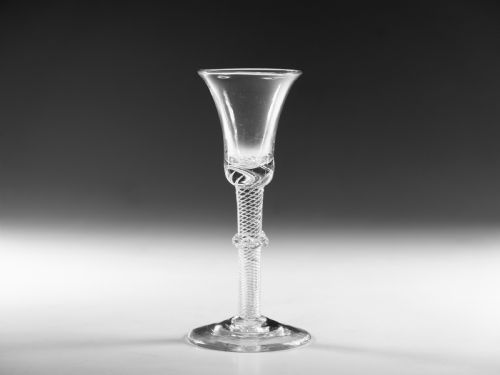


Mid Century Glass Bowls
Mid century glass bowls bring tangible colour and weight to a room, offering the clean lines and tactile form that collectors chase.
Mid Century Glass Bowls
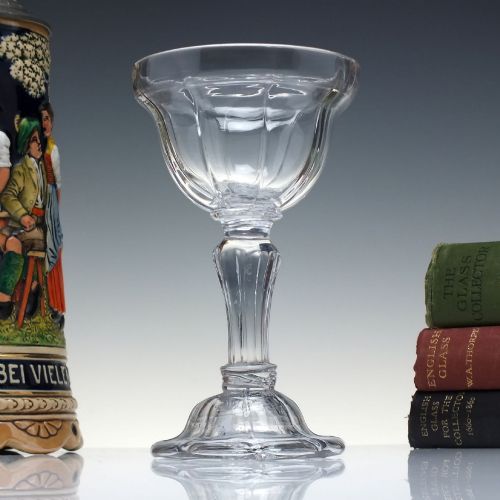
Mid century glass bowls encompass items shaped by twentieth-century design sensibilities, though current stock also presents Victorian and Georgian glassware.
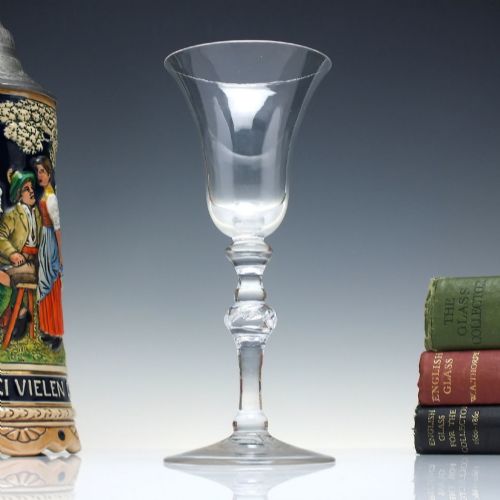
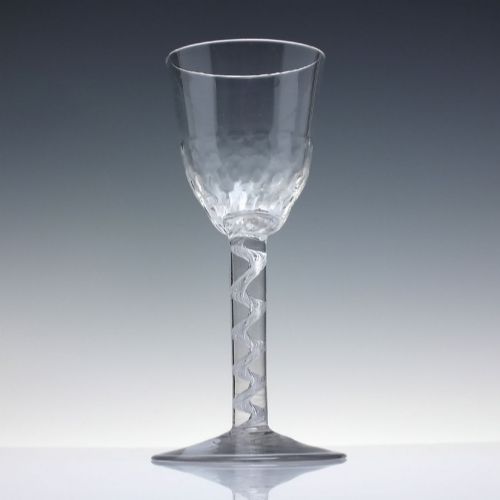
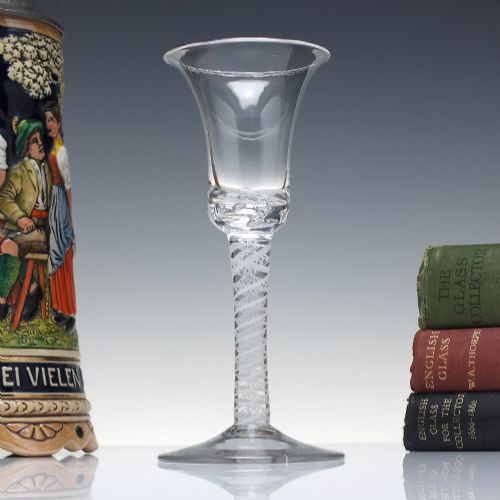
Buyers seeking mid century glass bowls frequently encounter related forms such as vases, wine glasses, and table centrepieces.
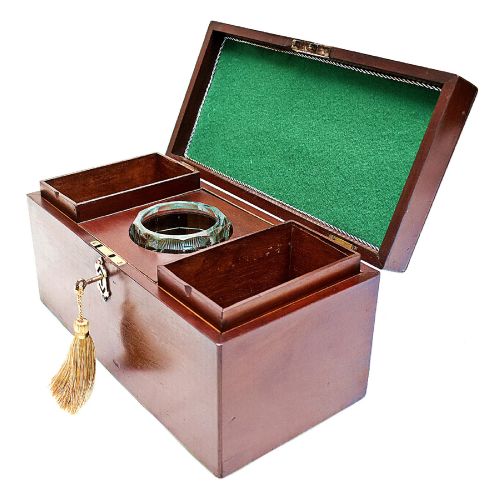
The selection ranges from Victorian tea caddy mixing bowls to French opalescent vessels and Italian fruit lamps.
How they were made
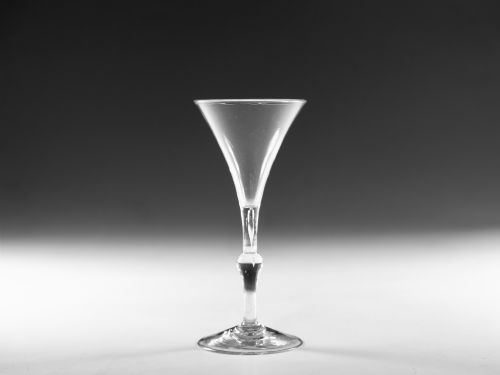
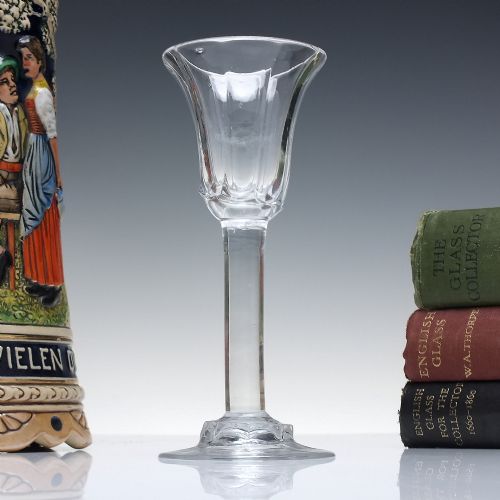
Makers shaped lead glass and clear glass using traditional blowing and moulding techniques to achieve distinct optical clarity.
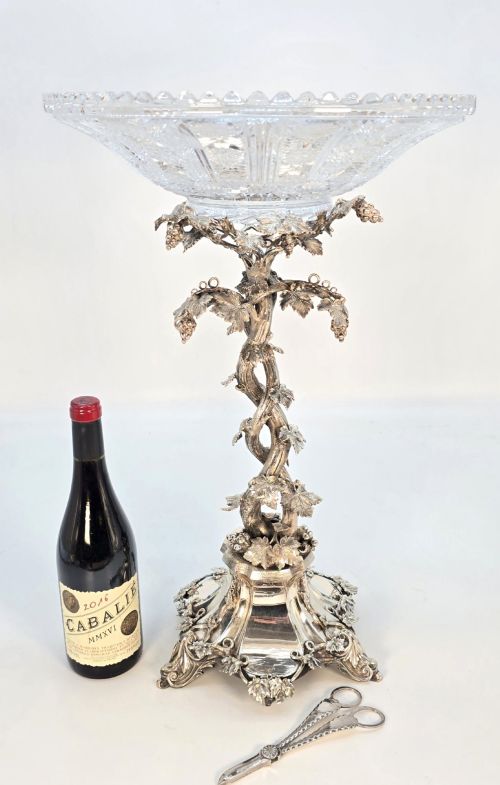
Certain pieces incorporate cut glass patterns alongside secondary materials like silver plating, mahogany, brass, and felt.
Mid Century Glass Bowls Retail Price Guide 2026
Typical asking prices for mid century glass bowls among the pieces listed under this phrase on Sellingantiques today, from the lower quarter to the upper quarter. They describe what is for sale here now, not the wider market.
Current listings feature materials ranging from lead glass and cut glass to mahogany, brass, and alabaster.
What varies in quality
Quality rests upon the purity of the metal and the precision of the form, distinguishing standard domestic wares from ambitious decorative pieces.
The sophistication of the silhouette and the absence of optical distortion dictate the standing of an individual item within its period.
The Mid Century Glass Bowls Glossary
- Lead glass
- Glass containing lead oxide to increase refractive index and weight. This composition allows for deeper cutting and greater brilliance.
- Table centrepiece
- A large decorative vessel or plateau placed in the middle of a dining table. These objects often combine glass bowls with metal stands.
- Opalescent glass
- Glass that displays a milky, iridescent quality with shifting tones. It catches light differently depending on the angle of view.
- Balustroid
- A stem form derived from architectural balusters, featuring a swelling knop above the foot. It remains a hallmark of mid eighteenth-century drinking vessels.
Mid Century Glass Bowls: Frequently Asked Questions
What periods do these glass items cover?
The current selection spans multiple eras, reaching from eighteenth-century Georgian drinking glasses through to mid-twentieth-century French and Italian pieces.
This mix allows collectors to compare the heavy lead crystal of the 1750s against later decorative glass forms.
How were glass bowls used originally?
Many of these vessels served functional roles on the dining table, holding sugar, bon bons, or mixing liquids for service.
Larger examples functioned as centrepieces, displaying fruit or flowers to anchor the arrangement of a formal room.
Are these pieces made of lead crystal?
Several listings specifically note lead glass and lead crystal construction, prized for its substantial weight and clear ring when struck.
Other items utilise standard clear glass or specialised opalescent formulations depending on their origin and date.
How do I care for antique glass bowls?
Wash these items by hand in lukewarm water using mild soap, avoiding sudden temperature changes that can stress old material.
Dry them immediately with a lint-free cloth to maintain the clarity of the surface and prevent water spots.