





Mid Century Cityscape
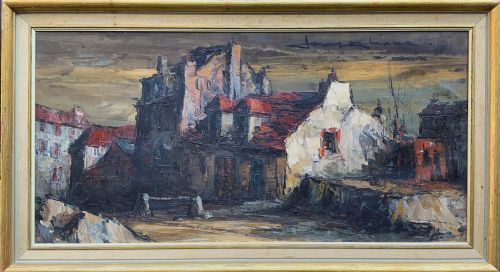
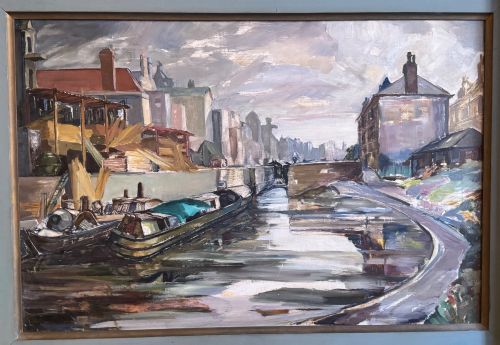
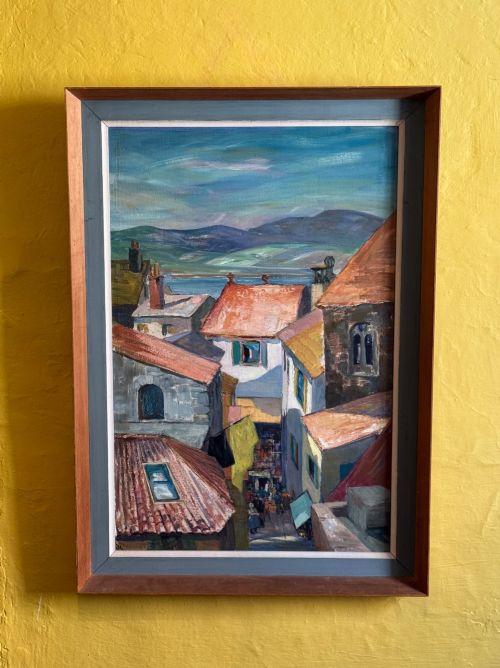
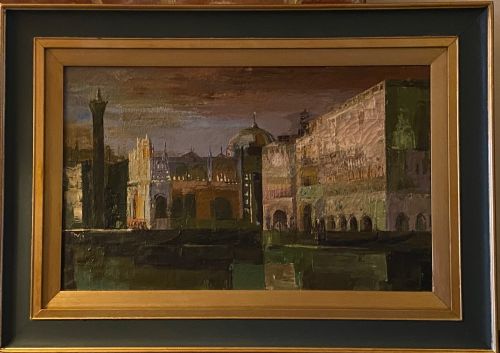
A mid century cityscape captures the pulse of urban life through textured brushwork and atmospheric views of Paris, Venice, and London.
Mid Century Cityscape
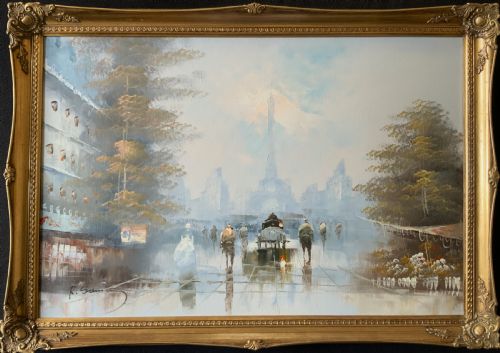
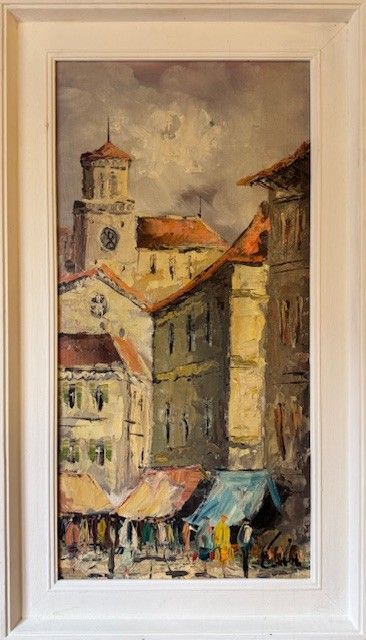
When you search for a mid century cityscape, you encounter framed artwork and wall art documenting European streets, canals, and riverbanks. The most common form on this page is an oil painting on canvas, frequently depicting iconic locations such as Paris, Venice, and London.
These works span several decades of the twentieth century, with a strong concentration of pieces originating around the nineteen-fifties and nineteen-sixties. Painters capture markets, bridges, and architectural facades using varied approaches from impressionism to abstraction.
Compositions range from large panoramic canvases of the River Seine to intimate studies of winter rooftops and market squares. Many works are presented in vintage gilt wood frames that complement the painterly style of the period.
Canvas, oil paint, and impasto
Artists primarily build these cityscapes using oil paint applied to canvas or board, employing techniques that emphasise surface texture. Thick impasto builds up architectural elements and figures, creating a tactile quality that catches the light.
Secondary media include watercolour and pencil on paper, utilised for lighter architectural studies of continental buildings. Frames are typically constructed from wood, frequently finished with gilt to house the canvas securely.
Mid Century Cityscape Retail Price Guide 2026
Typical asking prices for mid century cityscape among the pieces listed under this phrase on Sellingantiques today, from the lower quarter to the upper quarter. They describe what is for sale here now, not the wider market.
Listings feature works spanning from the nineteen-twenties through to the nineteen-sixties, utilising oil paint, canvas, board, and watercolour.
Brushwork and composition
The distinction between standard works and exceptional pieces lies in the confidence of the brushwork and the handling of light. Strong compositions balance architectural structure with the fluid movement of crowds and reflections on water.
The integration of the frame with the painting also influences the overall presence of the piece. Superior examples display a cohesive harmony between the painted surface and its housing.
Sushila Singh·Antonio DeVity·Caroline Burnett·Paul-Jean Anderbouhr·Gabriel Dauchot·Ron Folland·Claude Jousset·Hein Hoppmann·Job de Vogel·Jack Merriott·Pauline Boumphrey·Emanuele Cappello·Letitia Marion Hamilton
The Mid Century Cityscape Glossary
- Impasto
- Paint applied thickly to a canvas, standing out in relief from the surface. This technique creates physical texture that gives buildings and street surfaces a three-dimensional quality.
- Impressionism
- An art style characterised by relatively small, thin yet visible brush strokes and an open composition. Painters focus on accurate depiction of light in its changing qualities.
- Post-Impressionism
- A predominantly French art movement that developed from impressionism. Artists extend impressionism while rejecting its limitations, focusing on more symbolic content and heavier outlines.
- Expressionism
- A modernist movement originating in Germany, seeking to present the world solely from a subjective perspective. Works often distort subjects for emotional effect and intense mood.
- Gilt wood
- Wood that has been treated with gold leaf or a gold-coloured metallic finish. Frames utilise this treatment to enhance the visual weight of the artwork.
Mid Century Cityscape: Frequently Asked Questions
What is a mid century cityscape?
These works are paintings and drawings created during the mid-twentieth century that portray urban environments, streets, and waterways. They record specific European locations with individual artistic interpretations.
Subjects focus heavily on recognisable landmarks and everyday street life in cities like Paris, Venice, and London. The execution relies on impressionist and expressionist methods.
How should I hang these paintings?
Consider placing larger canvases on open wall spaces where lighting can catch the textured impasto surface. Ensure the piece sits at eye level for comfortable viewing.
Keep oil paintings away from direct sunlight and excessive moisture to protect both the canvas and the wooden frame. Proper wall anchoring is essential for heavier framed works.
How do I identify the period?
Dating relies on stylistic clues, framing materials, and documentation associated with the artist. Mid-century works often favour loose brushwork and modern colour palettes.
Examining the back of the canvas or board can reveal artist signatures, dates, or gallery labels. Construction methods of the wooden frame also offer chronological indicators.
Who painted these cityscapes?
The collection includes pieces by documented European artists as well as works by unknown creators from the period. Painters worked across various countries including France, Italy, and Britain.
Signatures on the canvas often point to specific regional painters active during the nineteen-forties and nineteen-fifties. Archivists track these signatures to establish biographical details.