





Mid Century Ceramic Sculpture
These mid century ceramic sculpture pieces bring tactile modernism and mid-century French flair directly into domestic interiors through modelled clay and glaze.
Mid Century Ceramic Sculpture
When you search for mid century ceramic sculpture, you encounter a diverse gathering of modelled earthenware, hard-paste porcelain and glazed ceramic forms spanning several decades. The selection includes animalier figures, wall masques and figurative ornaments originating from European workshops.
You are most likely to meet glazed earthenware animals and wall-hung pieces carrying mid-century dates alongside earlier nineteenth-century porcelain figures. The forms vary from realistic animalier subjects to stylised wall masks and illuminated wall fountains.
How they were made
Makers shaped these pieces using earthenware, terracotta, and hard-paste porcelain, employing hand-modelling techniques to build up bodily forms before firing. Glazes were then applied to the surfaces to create varied textural finishes, ranging from high-gloss sheens to matte treatments.
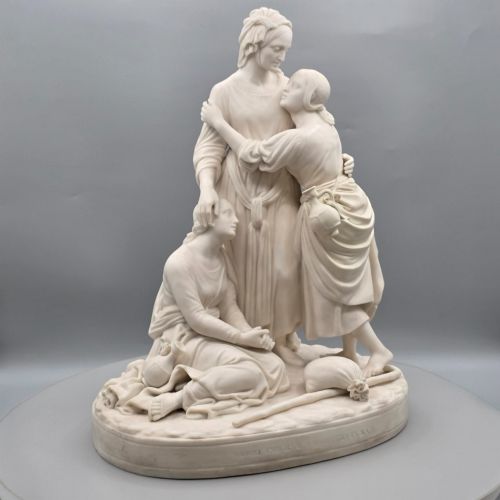
Parian ware and standard porcelain formulations required precise kiln firing to achieve their characteristic dense, biscuit-like or vitrified bodies. Detail work on figurative subjects was often finished by hand after the initial casting or modelling stage.
Mid Century Ceramic Sculpture Retail Price Guide 2026
Typical asking prices for mid century ceramic sculpture among the pieces listed under this phrase on Sellingantiques today, from the lower quarter to the upper quarter. They describe what is for sale here now, not the wider market.
Materials represented include earthenware, terracotta, parian porcelain, and standard glazed ceramic.
What varies in quality
The sophistication of the modelling separates superior sculptural pieces from simpler commercial output, with naturalistic anatomy and crisp surface detailing marking out the better examples. The precision of the hand-modelling process dictates how convincingly a figure or animal subject conveys movement and texture.
Glaze application and firing success also determine overall quality, as smooth, even surfaces without kiln blemishes elevate a piece. The depth of the relief work on wall masques and the delicacy of the porcelain paste further distinguish finer works from standard productions.
Thomas Parr·Joseph Constant·Karl Tutter
The Mid Century Ceramic Sculpture Glossary
- Animalier
- A nineteenth and twentieth-century artistic genre specialising in the realistic representation of animals. Sculptors working in this style focused closely on the anatomy and natural behaviour of their subjects.
- Hard-paste porcelain
- A ceramic material composed of kaolin and petuntse, fired at very high temperatures. It produces a durable, vitrified body that resists scratching and holds fine detail well.
- Parian ware
- A type of fine biscuit porcelain developed in the nineteenth century to imitate carved marble. Its unglazed surface has a smooth, granular texture reminiscent of Parian marble.
- Earthenware
- Porous pottery fired at lower temperatures than stoneware or porcelain. It requires a glaze to become impermeable to liquids.
- Wall masque
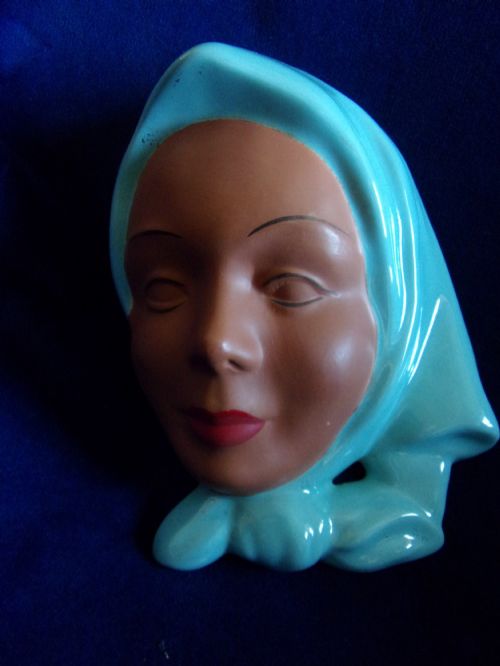
- A decorative sculptural mask designed to be hung directly on a wall. These pieces typically depict human or stylised faces in high relief.
Mid Century Ceramic Sculpture: Frequently Asked Questions
What is a wall masque?
A wall masque is a decorative ceramic sculpture modelled in relief to represent a human face or theatrical character. These pieces were designed to be mounted directly onto interior walls as focal ornaments.
Most examples date from the Art Deco period onwards, utilising glazed earthenware or ceramic bodies to create striking visual contrast within a room.
How do I clean ceramic sculptures?
Dust glazed ceramic and porcelain sculptures gently with a soft, dry brush to prevent the accumulation of dirt in recessed details. Avoid using harsh chemical cleaners or abrasive cloths that might damage the surface glaze.
Unglazed parian ware requires extra care because its porous surface absorbs moisture and oils easily. Professional advice should be sought if deeper cleaning is necessary.
What is animalier sculpture?
Animalier sculpture refers to artistic works that focus primarily on the realistic portrayal of animals, particularly wild beasts and domestic creatures. Artists captured these subjects in moments of action or repose.
In ceramics, this tradition translated into hand-modelled figures of greyhounds, bulls, and birds rendered with careful attention to muscular structure and texture.
Where were these ceramics made?
The pieces originate from various European ceramic centres, including workshops in Austria, France, Germany, and England. Each region contributed distinct regional styles and technical specialisms.
From nineteenth-century English parian figures to mid-century French animal studies, the geographical spread reflects active ceramic traditions across Europe.