




Mid Century Abstract
When you search for mid century abstract, you uncover paintings, sculptures, lamps and silver jewellery that channel the experimental energy of the mid-19th to mid-20th centuries.
Mid Century Abstract
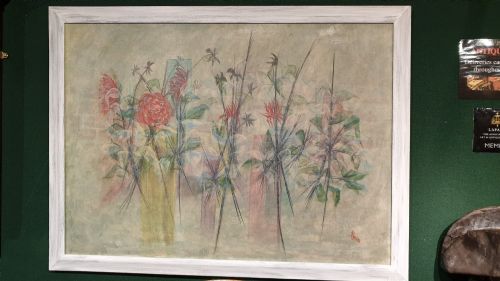
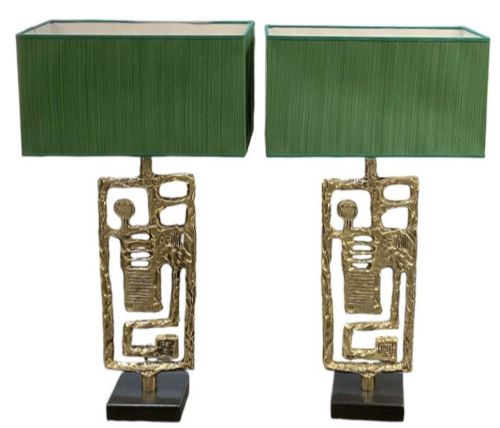
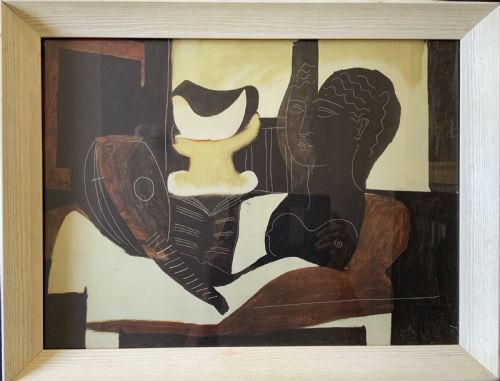
Mid century abstract works encompass paintings, wall art, oil paintings, necklaces, sculptures, fine art paintings and table lamps drawn primarily from the 1930s, 1940s, 1950s and 1960s, alongside select pieces from the 19th century.
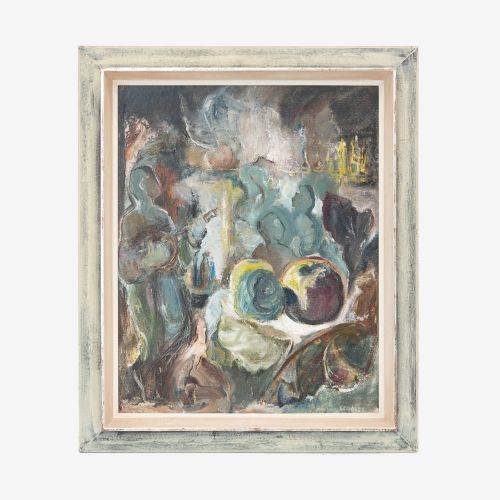
Buyers encountering this phrase most frequently meet oil paintings on canvas or board, complemented by gouache on paper, mixed media and sculptural objects reflecting mid-century modernism and abstract expressionism.
Materials and Technique
Artists and makers constructed these pieces using oil paint and impasto on canvas and board, as well as gouache, ink and acrylic on paper.
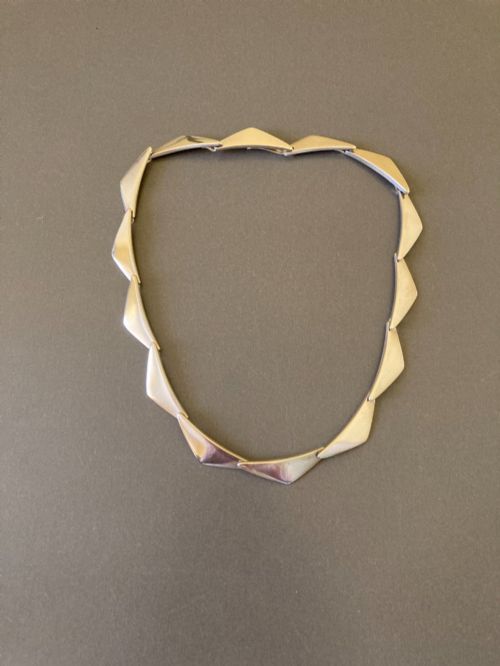
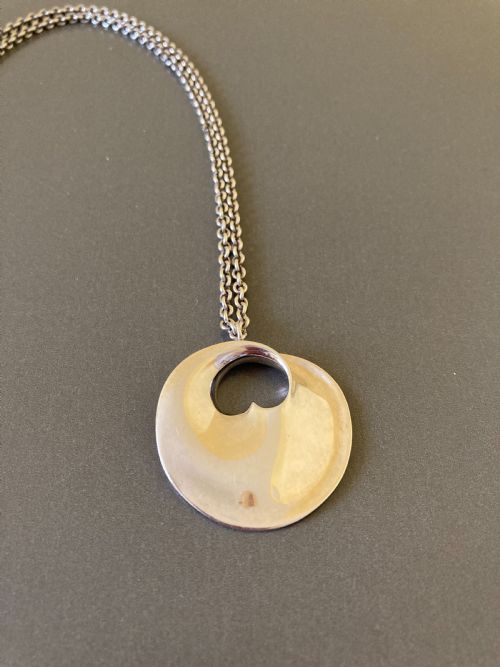
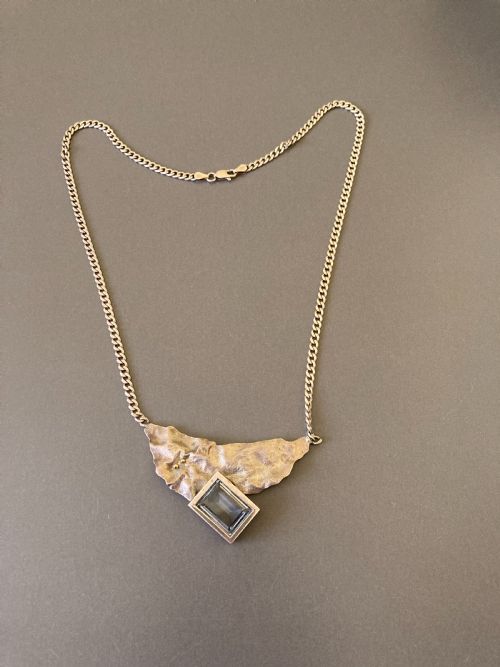
Three-dimensional objects utilise sterling silver, glass, wood and polished yew, uniting traditional craftsmanship with modernist forms.
Even chestnut leaves unfurling found themselves abstracted into cubist oil paintings by nineteen sixty-one.
Evaluating Quality
Distinctions in quality rest upon the handling of medium, composition and provenance, separating works executed with confident, expressive brushwork from routine decorative output.
In metalwork and sculpture, the precision of execution, material weight and the integrity of signatures or maker marks differentiate standard items from exceptional studio pieces.
Georg Jensen·Denis Mitchell·Adrian Heath·Angelo Brotto·William Littlejohn
The Mid Century Abstract Glossary
- Impasto
- A technique where paint is laid on an area of a surface in thick layers, making the brush or palette-knife strokes visible. This adds physical texture and depth to oil paintings.
- Gouache
- An opaque water-based paint that dries to a matte finish, frequently utilised on paper for modernist sketches and illustrations. It provides flat, vibrant areas of colour.
- Abstract Expressionism
- A post-Second World War art movement characterised by gestural brush-strokes and non-representational forms. Works in this style focus on the physical act of painting itself.
- Cubist
- A style involving the breakdown of subjects into geometric shapes and multiple viewpoints. It heavily influenced mid-century landscapes and still lifes.
- Sterling Silver
- An alloy of silver containing ninety-two point five percent silver and seven point five percent other metals, typically copper. It forms the foundation of mid-century modernist jewellery and pendants.
Mid Century Abstract: Frequently Asked Questions
What defines a mid century abstract painting?
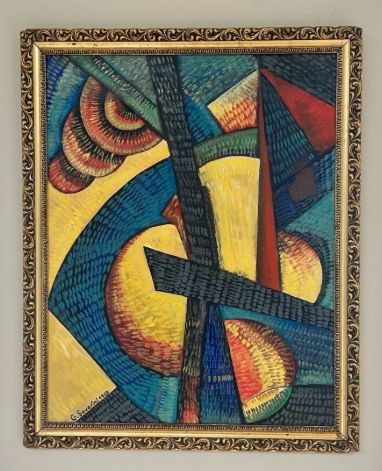
These paintings rely on non-representational forms, expressive brushwork and bold colour palettes rather than strict realism. They draw on mid-century modernism, cubism and abstract expressionism.
Canvases and boards from the nineteen-fifties and sixties frequently feature thick impasto or flattened perspectives that prioritise emotional or formal impact over literal depiction.
How were mid century abstract sculptures and objects used?
Sculptures, sculptural lamps and polished wood pieces served as functional art centrepieces within contemporary interiors. They brought organic forms and modernist silhouettes into domestic spaces.
Smaller objects like silver pendants and rings functioned as wearable art, translating abstract sculptural principles into personal adornment.
How can I tell the difference between periods?
Pieces from the nineteen-thirties and forties often lean towards early modernist, avant-garde or subtler cubist abstraction. Works from the nineteen-fifties and sixties embrace bolder expressionism, vibrant op-art geometries and heavier impasto.
Examining the backing materials, framing style and any artist signatures or dates helps anchor a piece within its specific decade.