

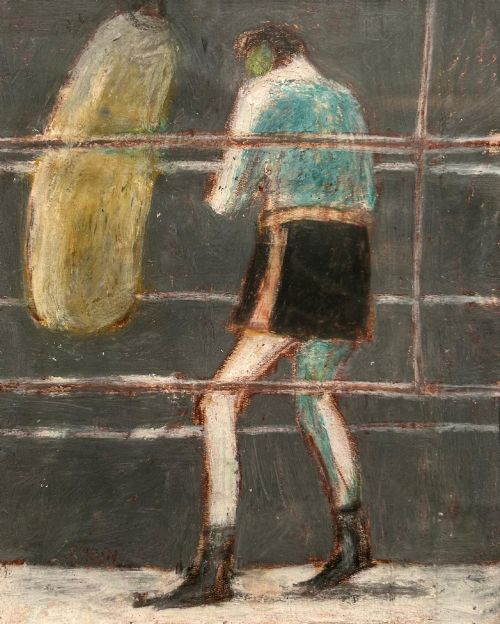
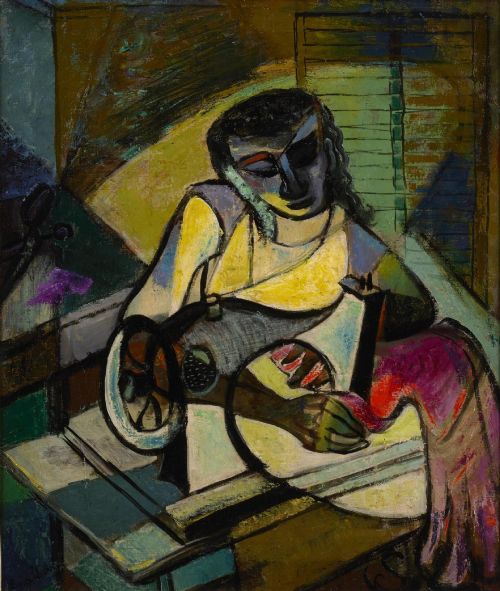
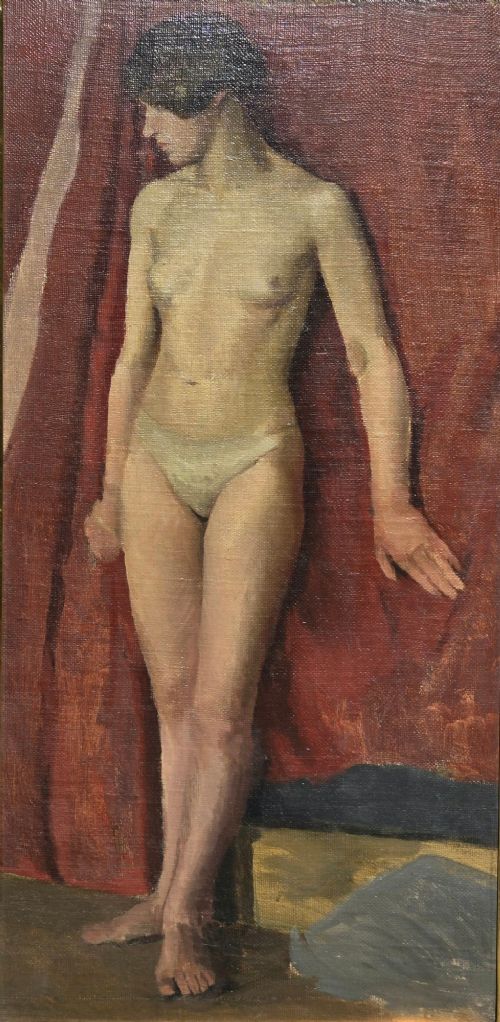
Mid 20th Century Oil
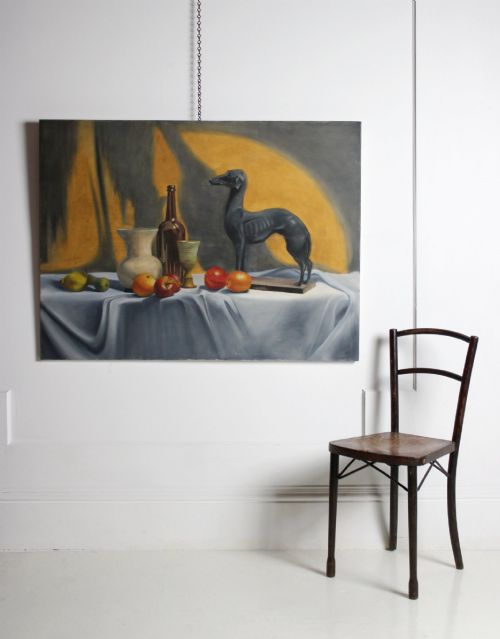
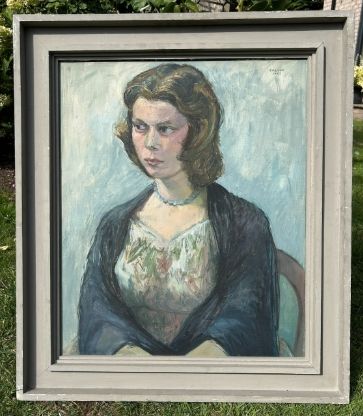
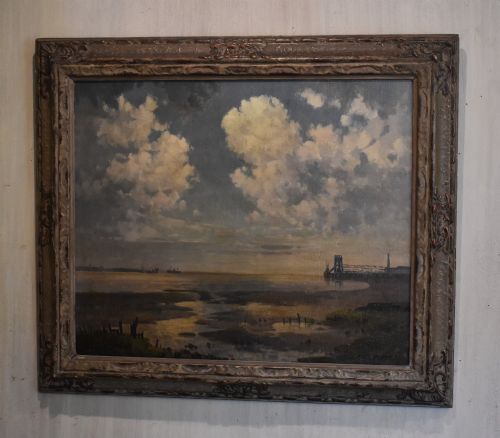
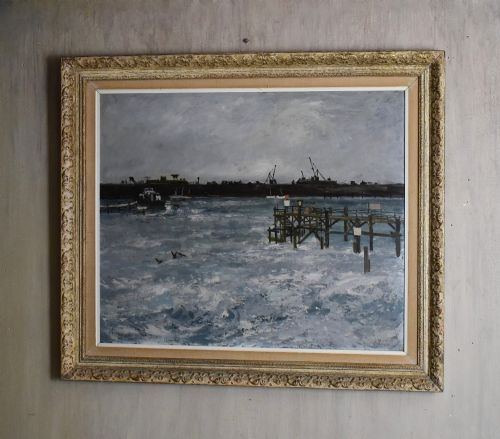
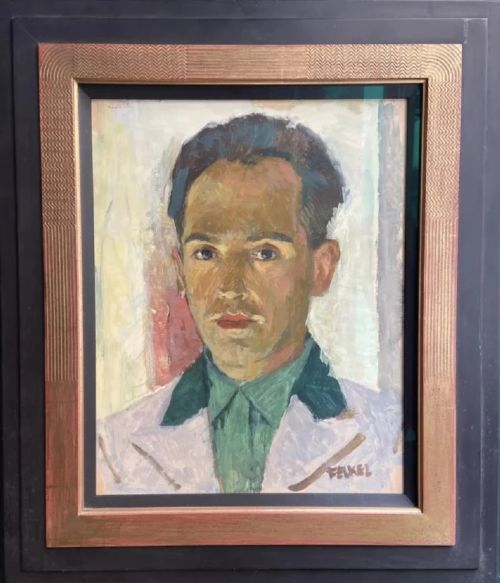
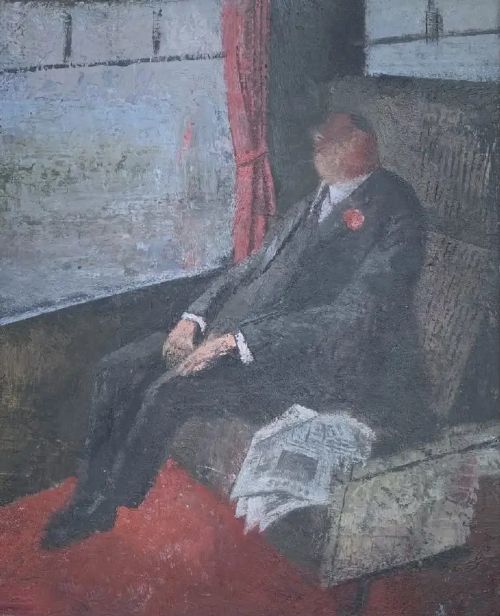
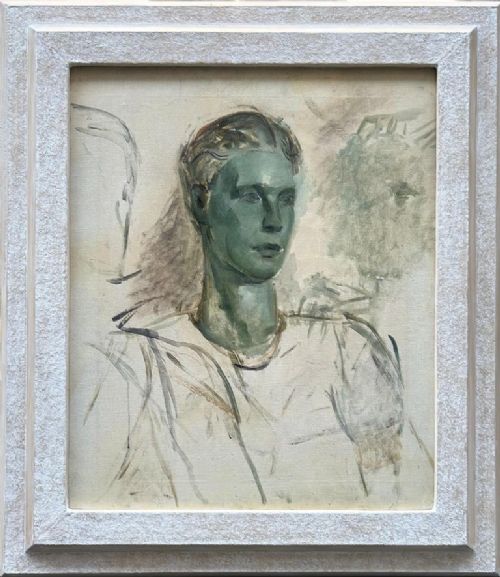
Mid 20th century oil paintings bring character and authentic period atmosphere to interiors through varied coastal views, striking portraits and still lifes.
Mid 20th Century Oil
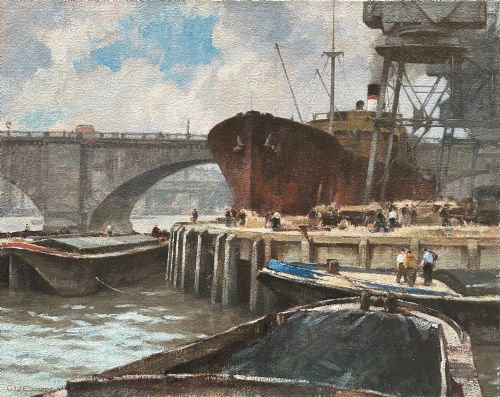
When browsing for mid 20th century oil pieces, collectors encounter a diverse array of framed artworks spanning landscapes, cityscapes, maritime scenes, and intimate figure studies. These creations reflect the evolving artistic movements of the decades, moving from traditional regional depictions towards more expressive forms.
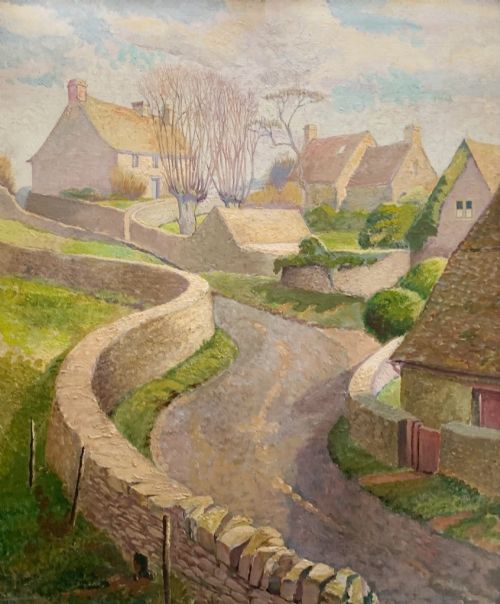
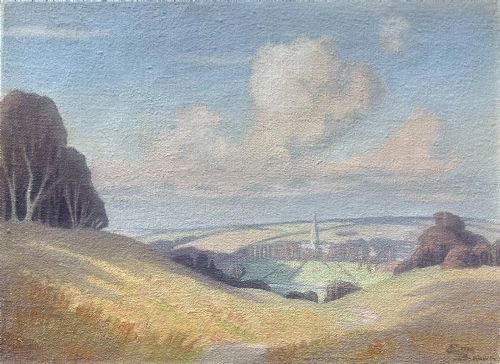
The selection ranges from detailed regional British countryside views and coastal harbours to continental street scenes and characterful portraits. Buyers frequently discover works executed on canvas, board, or wooden panels, often retained in their original frames that complement the aesthetic of the period.
Materials and application techniques
Artists of this era primarily utilised oil paint applied to prepared surfaces such as stretched canvas, wooden board, card, or panel. The slow-drying nature of oil media allowed painters to blend hues carefully or build up textured surfaces over time.
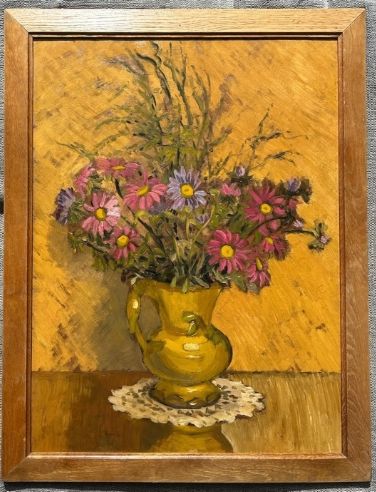
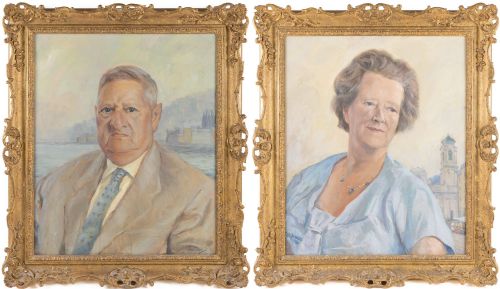
Many works incorporate heavy impasto techniques where thick layers of pigment create a tangible, tactile relief on the support. Frames constructed from wood, sometimes featuring swept gilt ornamentation, were routinely chosen to house and protect these finished paintings.
Several canvases capture cows, sheep, and ponies wandering through British fields, reminding us that rural traffic was occasionally bovine.
Distinguishing the finer examples
The distinction between standard works and exceptional examples lies in the confidence of the brushwork and the expressive handling of light and tone. Superior pieces demonstrate a distinct command of composition, capturing atmosphere and depth rather than merely recording a scene.
Provenance and artist recognition also elevate certain works, particularly those with documented exhibition histories or direct ties to notable regional art groups. The harmony between the painting and its period frame further enhances the overall integrity of the piece.
Kenneth Cozens·Clive Browne·Peter Brannan·Samuel Rabin·Lilian Colbourn·Ronald Ossory Dunlop·Joan Gillchrest·Paul Jean Anderbouhr·Denis Mitchell·Attilio Toro·William Burns
The Mid 20th Century Oil Glossary
- Canvas
- A closely woven heavy fabric stretched across a wooden frame to form a taut painting surface. It provides a slightly yielding support favoured by many traditional and modern painters.
- Impasto
- The technique of laying oil paint on a surface in very thick layers that stand out from the canvas. This method leaves visible brush or palette knife marks that catch the light.
- Board
- A rigid flat sheet of wood pulp, fibre or pasteboard used as a stable alternative to stretched fabric. It offers a firm, unyielding foundation for applying oil pigments.
- Gilt
- A thin layer of gold leaf or metallic gold-coloured finish applied to framing. It adds reflective warmth and decorative emphasis around the edges of a painting.
- Panel
- A solid piece of wood or prepared board utilised by artists as a sturdy painting support. Panels provide exceptional durability and resistance to sagging over decades.
Mid 20th Century Oil: Frequently Asked Questions
How do I clean a mid 20th century oil painting?
Surface dust can be gently removed from oil works using a very soft, dry artist brush or microfiber cloth. Avoid using water, household cleaners or moisture on the painted surface.
Professional conservators should handle any deep cleaning or removal of accumulated grime to prevent damage to the delicate oil layers. Proper framing behind glass or in a stable environment helps minimise future accumulation.
Where should I hang these paintings at home?
Select interior walls that avoid direct, harsh sunlight and excessive moisture to protect the oil pigments and wooden supports over time. Positioning works away from direct heat sources ensures the canvas or board remains stable.
Pairing these pieces with complementary room lighting enhances the visible brushwork and impasto textures. Consider eye-level placement in living areas or studies where the details can be closely appreciated.
What frames are typical for these works?
Many mid 20th century pieces are housed in their original wooden frames, which often feature painted finishes or swept gilt ornamentation. These original surrounds were selected to complement the specific palette and style of the artwork.
Retaining the original framing preserves the historical context of the piece as a complete decorative object. Simple wooden moulding frames are also common for works from this period.