

Mid 20th Century Landscape
These mid 20th century landscape works capture regional views and pastoral scenes, offering buyers an authentic window into British and European countryside traditions.
Mid 20th Century Landscape
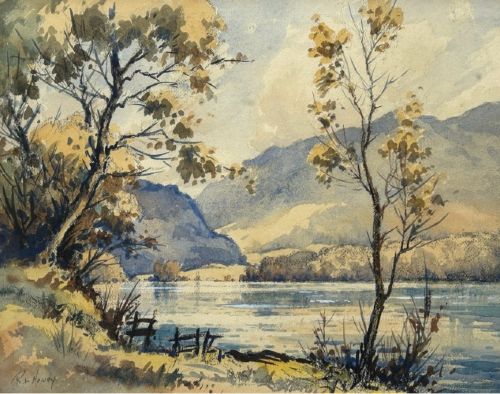
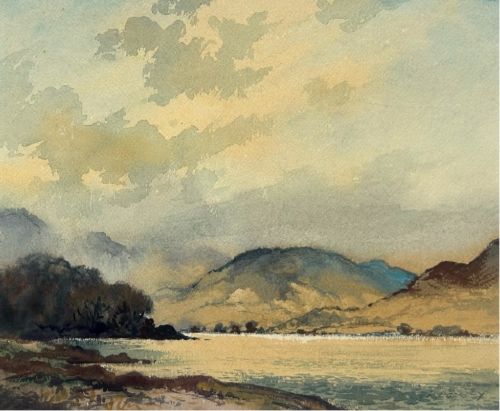
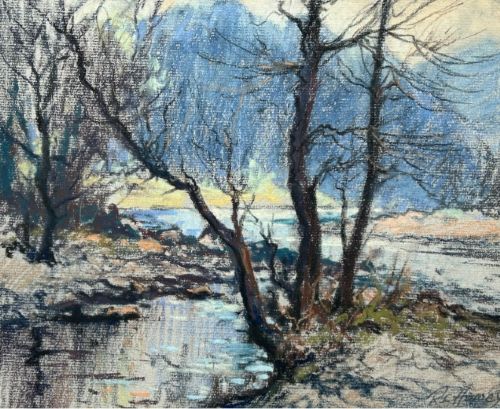
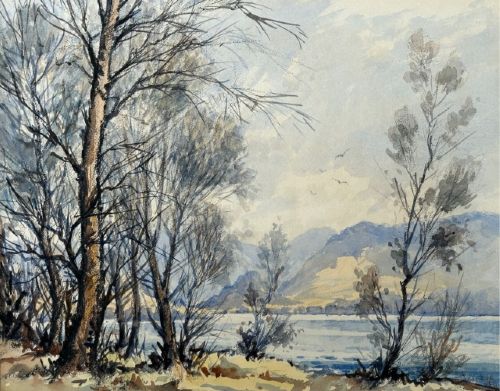
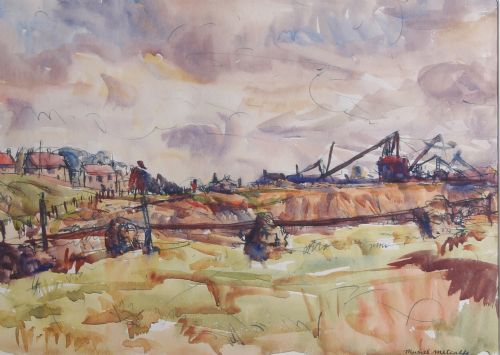
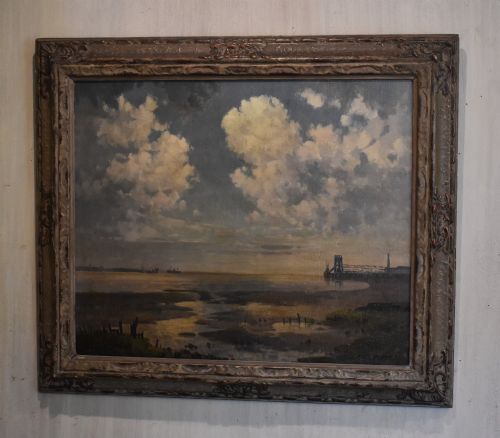
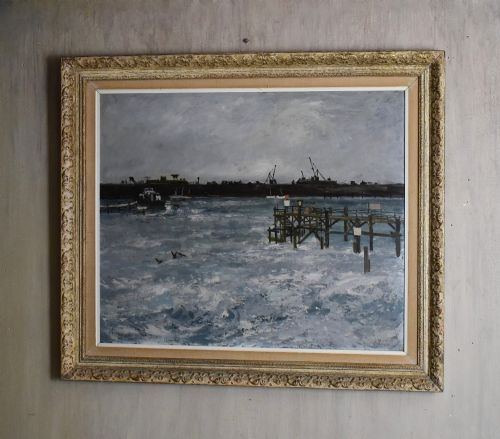
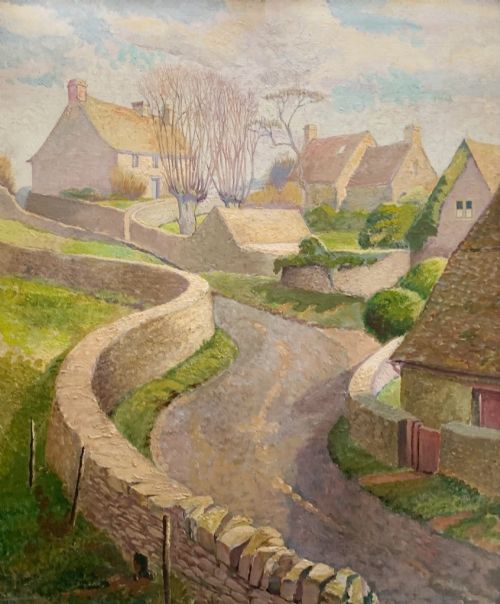
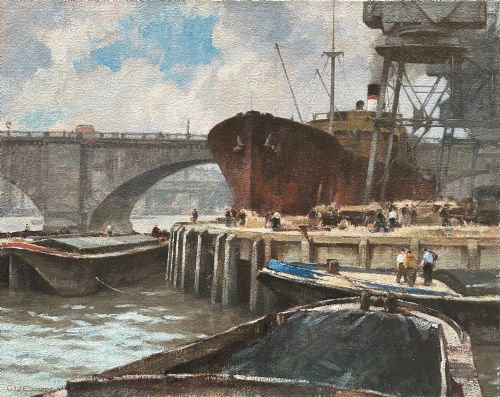
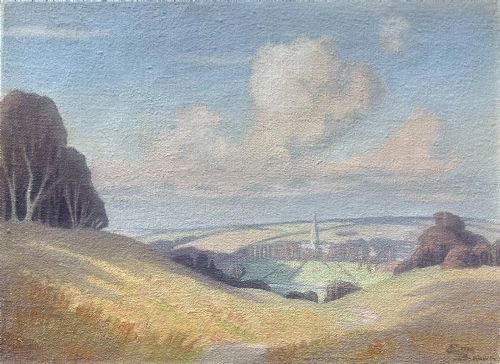
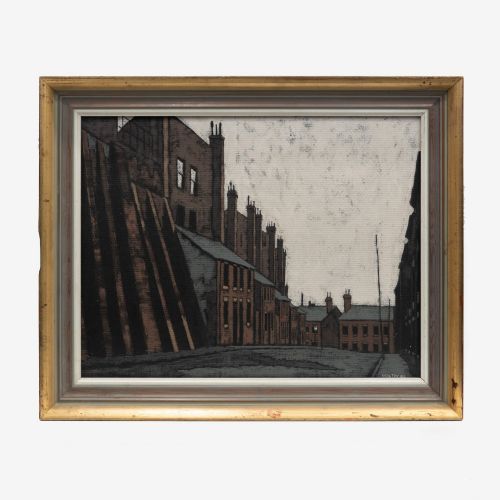
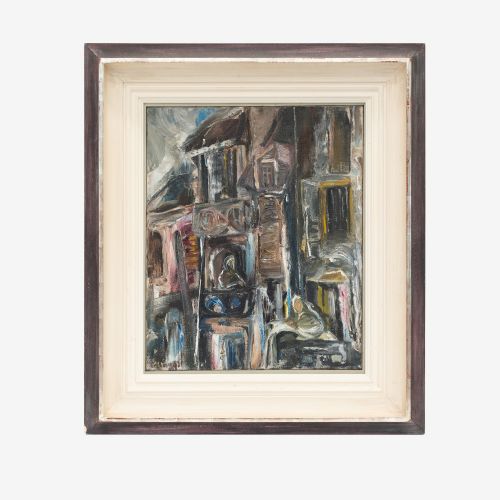
When you search for a mid 20th century landscape, you encounter original artworks that document rural views, coastal harbours, and quiet village streets across Britain and Europe. These pieces capture a distinct era of topographical and plein-air observation, ranging from pastoral valleys to industrial townscapes.
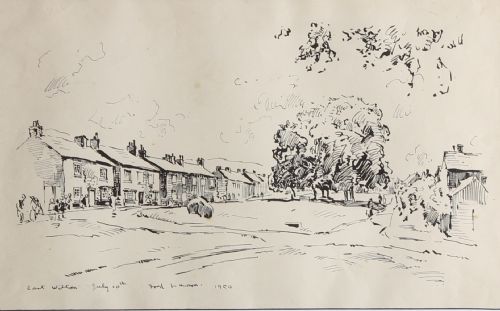
You are most likely to meet framed watercolours, oil paintings on board, and ink drawings produced during the decades surrounding the middle of the twentieth century. Many works focus on familiar regional settings, including the Yorkshire Dales, Cumbrian lakes, and coastal Cornish villages.
The selection ranges from detailed topographical studies by local artists to impressionistic interpretations created by notable regional painters. Each piece offers a direct record of how artists viewed the changing British and European countryside during this period.
How They Were Made
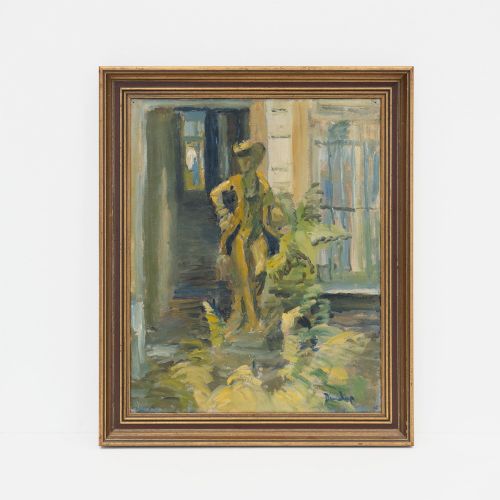
Artists painted primarily with oil or watercolour pigments, applying them directly onto canvas, prepared wooden panels, heavy paper, or card. Oil paint allowed for textured impasto brushwork and rich surface depth, while watercolours achieved fluid washes and fine ink detailing.
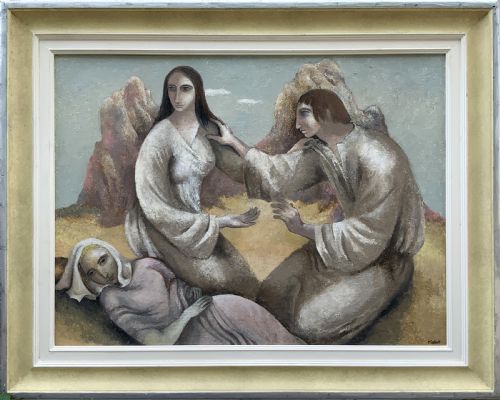
Supports varied according to the medium and the artist's preference, with board and stretched canvas serving oil compositions, and paper supporting watercolours, pastels, and ink drawings. Many works retained their original artist frames, which frequently complement the palette of the scene.
Several watercolours preserve the quiet charm of bygone village streets where local ducks and stray ponies apparently held the right of way.
What Varies in Quality
The strength of the composition and the confidence of the brushwork distinguish the finest works from ordinary decorative watercolours. A skilled hand conveys light, atmosphere, and local topography with economy and precision.
Condition and provenance elevate individual pieces, particularly when a painting retains signature documentation, artist studio sale labels, or exhibition history. Well-preserved surfaces free from heavy fading or discolouration command greater appreciation.
Kenneth Cozens·Robert Leslie Howey·Muriel Metcalfe·Fred Lawson·Clive Browne·Peter Brannan·Cyril Walduck Edwards·Eric Brown·Christine Nesbit·Stuart Walton·Lilian Colbourn·Ronald Ossory Dunlop·Joan Gillchrest·Paul-Jean Anderbouhr·Joseph Edward Hennah·Harry Freckleton·Gyrth Russell·Fred Pailhes·Hazel M Barnett·William JB Jenkins·Fernando Del Basso·Ron Folland·John Hobson Nicholson·William Tuck·Edward Seago
The Mid 20th Century Landscape Glossary
- Impasto
- Paint applied thickly to a canvas or board so that it stands out from the surface. This technique adds tactile dimension and captures the play of light across the painted strokes.
- Plein-air
- Painting executed outdoors to capture direct observations of natural light and weather. Artists working in this manner often completed their landscapes on location.
- Provenance
- The documented history of ownership surrounding an artwork. Clear records establish authenticity and connect a painting directly to the artist or studio sale.
Mid 20th Century Landscape: Frequently Asked Questions
What defines a mid 20th century landscape painting?
These works are original paintings and watercolours created around the middle of the twentieth century that depict recognizable British and European scenery. They often showcase regional topography rendered through impressionistic or traditional observational styles.
The materials typically include oil on board, canvas, or watercolour on paper, reflecting the diverse methods regional artists used to record rural and coastal views.
How should I care for vintage watercolours?
Vintage watercolours on paper require protection from direct sunlight to prevent pigments and paper supports from fading over time. Displaying them away from moisture-prone areas helps preserve the paper integrity.
Ensuring they are framed behind protective glazing with acid-free mounts further safeguards the delicate medium from environmental deterioration.
Where were most of these landscapes painted?
Many of the landscapes record specific regional locations across Britain, with a strong emphasis on the Yorkshire Dales, coastal Cornwall, Cumbria, and various rural settlements. Other works extend to European destinations including France and Italy.
Artists frequently set up their easels outdoors to capture local landmarks, village streets, rivers, and pastoral valleys directly from life.
How can I tell the difference between oils and watercolours?
Oil paintings feature thicker, opaque pigments applied to canvas, wood panels, or rigid board, often showing visible brush texture or impasto relief. Watercolours rely on translucent washes applied to paper supports, where the texture of the paper remains clearly visible beneath the paint.
Examining the surface under a light reveals whether the medium sits proud of the support as dried oil or rests flat within the fibres of the paper.