



Metal Plant Display
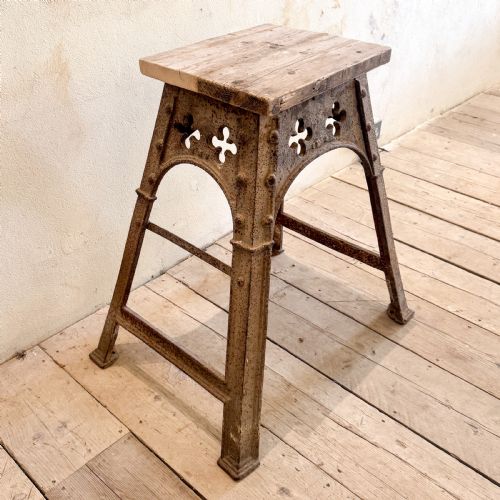
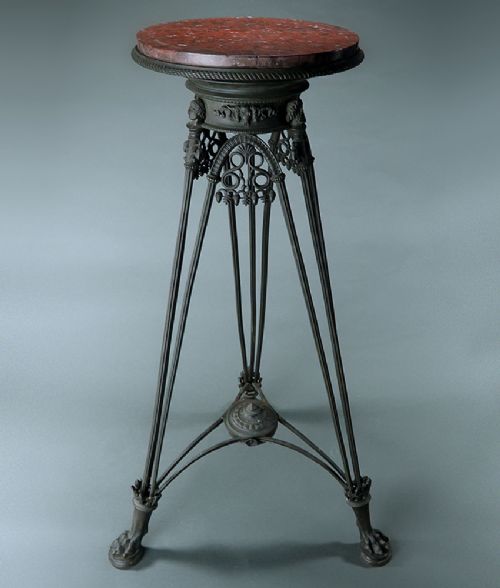
These metal plant display pieces range from ornate Victorian cast iron stands to French marble-topped guéridons, bringing architectural character and greenery together in any interior.
Metal Plant Display
A metal plant display brings structural elegance to botanical arrangements through varied forms like tiered stands, pedestals, and planters. Buyers searching for a metal plant display will encounter items primarily from the Victorian and Edwardian eras, alongside early twentieth-century examples.
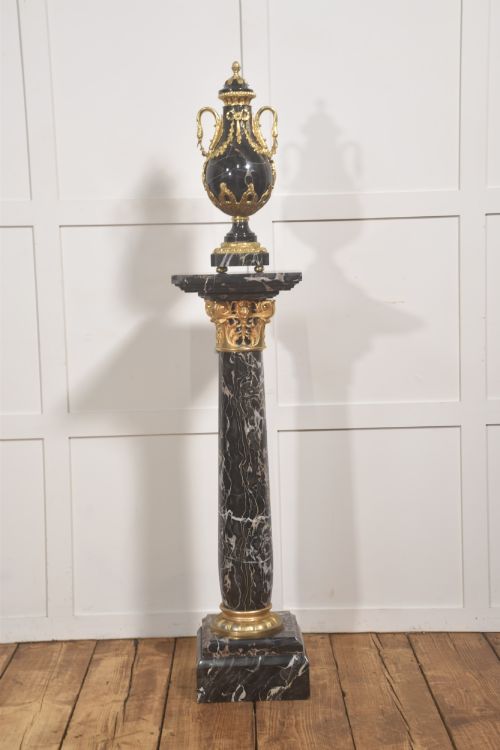
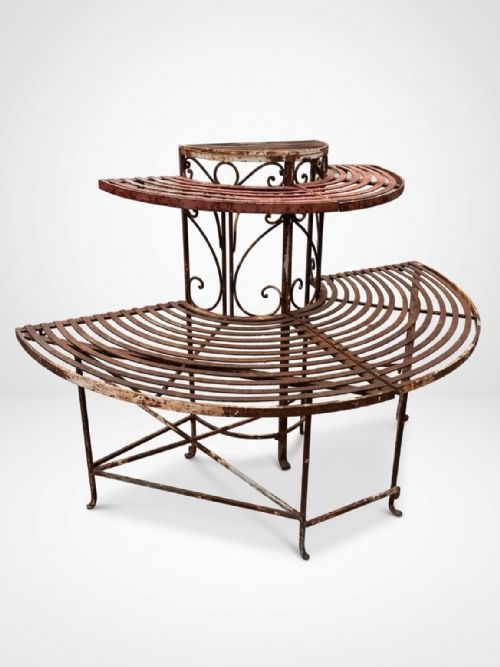
The selections on this page encompass multi-tiered stands designed for compact spaces as well as substantial marble-topped pedestals and urns. Pieces range from industrial iron frames to decorative brass scroll-work and French chateau styles.
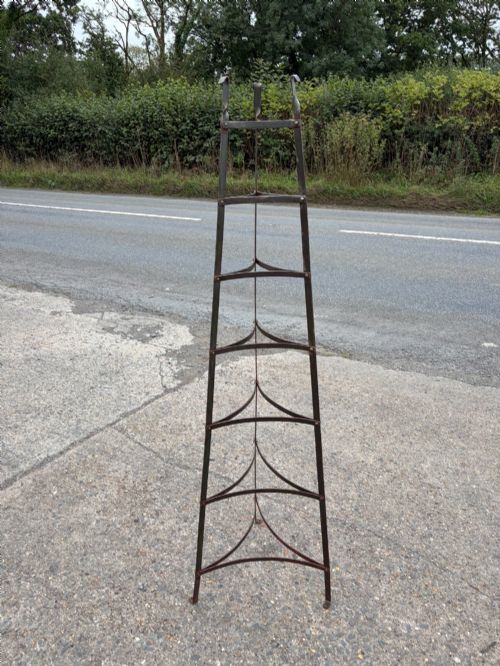
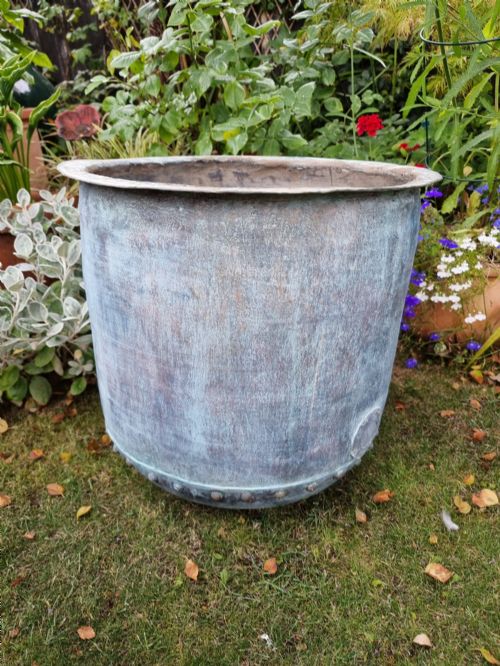
Functional objects such as bakers racks and garden pots appear alongside delicate indoor display tables. Each piece serves to elevate plants, utilising height and metalwork to create visual focal points in a room.
Materials and construction
Construction relies heavily on durable metals including cast iron, wrought iron, brass, and copper, often paired with contrasting surfaces like marble. Artisans utilised riveting, scrolling, and casting techniques to build both utilitarian garden furniture and refined indoor furnishings.
Finishes include original paint, gilt metal mounts, and weathered patinas developed over decades of exposure or use. Surface treatments like black paint and polished brass define the aesthetic of the period pieces.
Metal Plant Display Retail Price Guide 2026
Typical asking prices for metal plant display among the pieces listed under this phrase on Sellingantiques today, from the lower quarter to the upper quarter. They describe what is for sale here now, not the wider market.
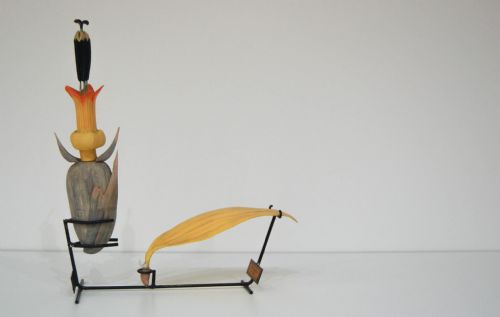
The inventory includes specialised forms like bakers racks, guéridon tables, multi-tiered stands, and botanical models of sunflowers.
Assessing quality and design
Quality reveals itself in the crispness of casting details, the weight and stability of the frame, and the integration of materials like inset marble tops. Finer examples display meticulous scroll-work, balanced proportions, and robust structural joints that endure daily use.
The distinction between standard utility items and superior pieces rests on decorative ambition, such as cast iron ornamentation, chiseled brass detailing, or specific stylistic references like Louis XVI and Etruscan Revival.
The Metal Plant Display Glossary
- Guéridon
- A small pedestal table, often highly decorative, originating in seventeenth-century France and frequently topped with marble. These pieces serve well as plant stands or small display surfaces.
- Etruscan Revival
- A nineteenth-century design style drawing inspiration from ancient Greek and Etruscan artefacts. It frequently incorporates classical motifs into metalwork and furniture.
- Gilt Metal
- Metal coated with a thin layer of gold or a gold-coloured substance to give a rich appearance. This finish appears on mounts and decorative frames from the Victorian and Edwardian periods.
- Tiered Stand
- A piece of furniture featuring multiple horizontal levels arranged vertically. These allow several plants or objects to be displayed within a compact footprint.
Metal Plant Display: Frequently Asked Questions
What periods do these plant displays come from?
The pieces span the Victorian and Edwardian eras, alongside works from the nineteenth and early twentieth centuries. This covers a broad timeline of manufacturing styles from 1860 to the 1930s.
Design influences range from French rococo revival and Louis XVI to industrial utilitarian frames and Amsterdam School aesthetics.
How were these stands used historically?
They served to elevate potted plants, flowers, and garden greenery both indoors and on balconies or patios. Multi-tiered versions allowed gardeners to maximise light and space for multiple pots.
Larger urns and pedestals acted as architectural statements in reception rooms, conservatories, and French chateaux.
Are these items suitable for outdoor use?
Many iron and copper pieces were originally built for gardens, courtyards, or greenhouses. Cast iron, wrought iron, and heavy copper naturally withstand exterior environments when maintained.
Indoor pieces featuring delicate brass, marble tops, or gilt finishes require protection from moisture and changing weather conditions.
How do I identify a Victorian plant stand?
Victorian examples often feature heavy cast iron, ornate brass scroll-work, or tiered wirework construction. Common motifs include Gothic elements and robust structural framing.
They frequently display dark painted finishes, black marble, or weathered patinas characteristic of nineteenth-century metalworking.