




Metal Hand Sculpture
A metal hand sculpture brings character and distinct tactile form to a room, drawn from diverse periods and traditions.
Metal Hand Sculpture
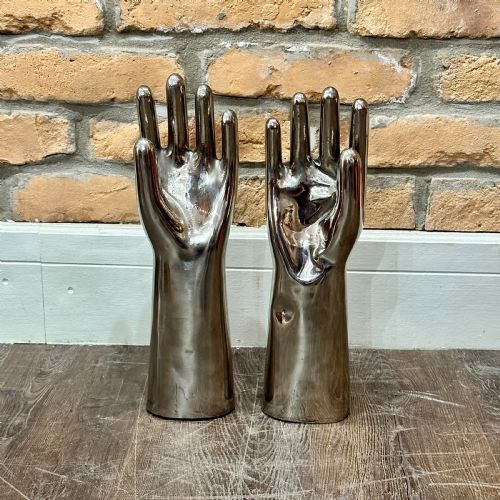
A metal hand sculpture encompasses varied decorative objects shaped like human hands, including industrial glove moulds and desk accessories. These pieces reflect specific functional origins while operating purely as sculptural forms in an interior.
The selections on this page draw predominantly from the nineteenth and twentieth centuries, spanning periods such as the Edwardian era and the nineteen-thirties. Examples range from industrial aluminium components to nineteenth-century cast iron desktop items.
Buyers encountering this search phrase will find objects created across multiple aesthetic traditions, including industrial design and nineteenth-century desk ornaments. Each piece presents a distinct physical interpretation of the human hand in solid metal.
How these pieces were made
Metal hand sculpture examples on this page utilise materials such as iron, copper, bronze, and aluminium. These metals were cast or shaped to achieve rigid, durable forms suited to utilitarian workshop use or desk accessories.
Techniques varied according to the intended function of the object, moving from industrial casting methods for glove moulds to detailed bronze work found in Grand Tour pieces.
Metal Hand Sculpture Retail Price Guide 2026
Typical asking prices for metal hand sculpture among the pieces listed under this phrase on Sellingantiques today, from the lower quarter to the upper quarter. They describe what is for sale here now, not the wider market.
Listings under this phrase incorporate materials such as iron, copper, bronze, and aluminium across the nineteenth and twentieth centuries.
What varies in quality
Quality in a metal hand sculpture rests upon the fidelity of the casting and the natural ageing of the metal surface. Superior examples display crisp anatomical detail and unforced patination earned through genuine handling and age.
The distinction between standard industrial items and more refined decorative pieces lies in the precision of the finish and the visual weight of the metal. Pieces that retain their original surface character command greater visual interest.
The Metal Hand Sculpture Glossary
- Cast iron
- An iron-carbon alloy poured into a mould to form solid objects. This heavy material was frequently utilised for Victorian desk accessories and paperweights.
- Aluminium
- A silvery-white metal known for its lightness and resistance to corrosion. It appears in twentieth-century industrial objects such as glove moulds.
- Grand Tour
- A cultural educational trip undertaken by wealthy young Europeans in the eighteenth and nineteenth centuries. Souvenirs from these journeys often included small bronze models based on classical antiquities.
- Patina
- A surface sheen or colour change developed on metal through age, exposure, and use. This natural finish indicates the length of time an object has existed.
Metal Hand Sculpture: Frequently Asked Questions
What is a metal hand sculpture?
A metal hand sculpture is a decorative or functional object shaped in the form of a hand, utilising materials like iron, copper, bronze, or aluminium.
These pieces originate from various historical periods, serving purposes from industrial glove manufacturing to nineteenth-century desk decoration.
How were industrial glove moulds used?
Industrial glove moulds made of aluminium served as physical forms upon which gloves were shaped, dried, or finished during manufacturing.
Today, these utilitarian objects are collected and displayed as sculptural forms for their striking industrial aesthetics.
What periods do these sculptures date from?
The pieces seen here date primarily from the nineteenth and twentieth centuries, including the Victorian era, the Edwardian period, and the nineteen-thirties.
Each era contributes distinct manufacturing techniques and material preferences to the selection.
How do I care for a metal hand sculpture?
Caring for these objects involves keeping them in stable indoor conditions away from excessive moisture to preserve the existing metal surface.
Dusting gently with a dry cloth helps maintain the appearance without disturbing the natural patina built up over decades.