




Metal Flower Pots
Metal flower pots combine practical horticulture with decorative metalwork across periods like the Victorian era and the Arts and Crafts movement.
Metal Flower Pots
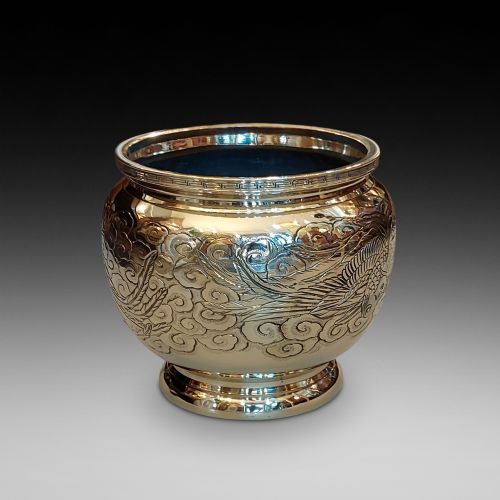
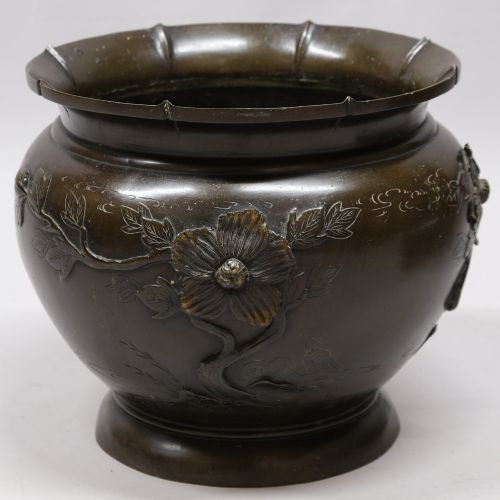
Metal flower pots encompass a range of indoor planters, jardinières, urns, and vases designed to hold plants and floral arrangements. You will frequently encounter heavy copper and brass vessels from the late nineteenth and early twentieth centuries alongside Japanese bronze pieces.
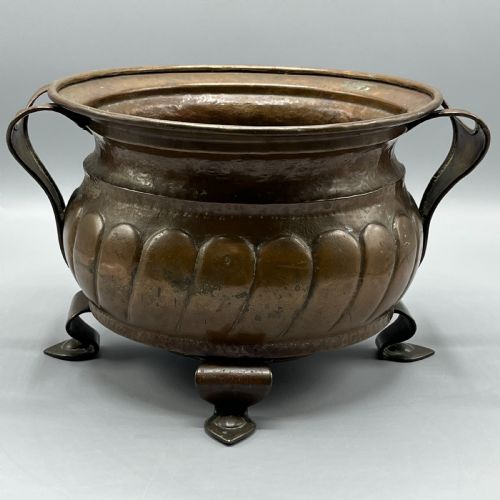
The selection ranges from utilitarian lead planters on claw feet to highly decorative Arts and Crafts copper buckets and Dutch Art Nouveau brass stands. Many examples serve as decorative jardinières meant to house potted plants indoors rather than hold soil directly.
Origins stretch from British workshops to Japanese Meiji period foundries and Indian craft traditions. This variety provides domestic vessels that reflect both domestic Victorian tastes and international aesthetic movements.
How they were made
Metals such as copper, brass, and bronze dominate the construction, often shaped through heavy hammering, spinning, or casting. Copper vessels frequently display visible hand-beaming and riveted seams typical of Arts and Crafts production.
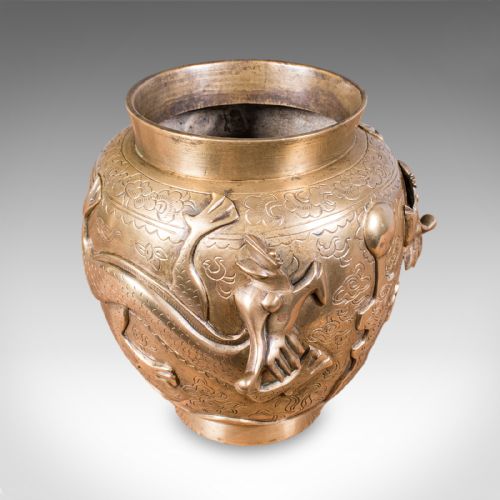
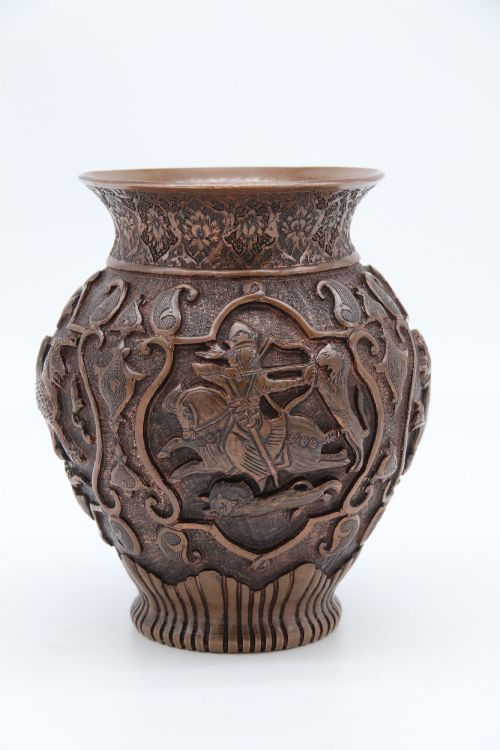
Surface decoration relies on repoussé work, chased detailing, and applied elements like lion mask handles. Bronze and brass examples often feature patinated finishes, whilst some iron stands carry protective layers of white paint.
Metal Flower Pots Retail Price Guide 2026
Typical asking prices for metal flower pots among the pieces listed under this phrase on Sellingantiques today, from the lower quarter to the upper quarter. They describe what is for sale here now, not the wider market.
Some vessels feature fierce lion mask handles that bravely pretend to hold up the family ferns.
What varies in quality
The calibre of a piece rests heavily on the weight of the metal and the crispness of its surface ornamentation. Hand-chased motifs and deeply carved details demonstrate a higher level of artisan skill than mass-pressed alternatives.
Structural integrity, including the survival of original patination, stands and handles, distinguishes superior examples. Pieces retaining their matching stands or original liners demonstrate better preservation and greater design ambition.
J Sankey and Sons
The Metal Flower Pots Glossary
- Jardiniere
- An ornamental pot or stand for holding flowers or plants. These vessels are typically manufactured from ceramic or metal and designed for interior display.
- Repousse
- A metalworking technique where a malleable metal is ornamented or shaped by hammering from the reverse side. This creates low-relief designs on copper and brass vessels.
- Patinated Bronze
- Bronze that has developed a surface sheen or colour through age or chemical treatment. This finish enhances the visual depth of Japanese and Victorian vases.
- Cloisonne
- Enamelling technique where wire compartments are soldered to a metal base and filled with paste. Pieces featuring this work display intricate coloured patterns.
Metal Flower Pots: Frequently Asked Questions
What is a jardiniere?
A jardiniere is a decorative container designed to hold a potted plant rather than plant soil directly into the vessel. These items usually sit on tables, floors, or dedicated stands.
In period interiors, they functioned as prominent display pieces in reception rooms and hallways. Their construction in heavy metals protected household surfaces from water spillage.
How do I date copper planters?
Dating relies on stylistic markers such as rivets, hammer marks, and the specific design movement reflected in the vessel. Arts and Crafts examples from around nineteen hundred often display hand-beaten surfaces.
Victorian pieces tend to incorporate heavier cast elements and more ornate handles. Examining the base and interior construction methods helps determine the manufacturing era.
Are these pots waterproof?
Many metal flower pots were originally manufactured with internal metal liners to contain moisture. Over time, these liners can develop leaks or may be missing entirely.
It is advisable to use a modern plastic saucer inside antique metal vessels to protect them from standing water and active corrosion.
What is Meiji period bronze?
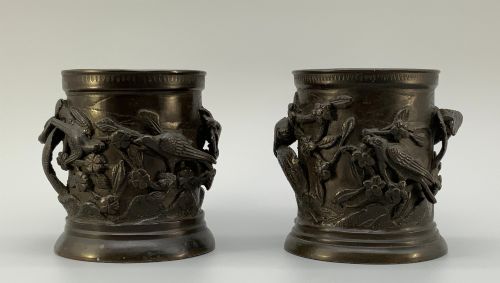
Meiji period bronze refers to Japanese metalwork produced during the reign of Emperor Meiji. These items are noted for fine casting and naturalistic decoration featuring birds, blossoms, and dragons.
Such pieces gained immense popularity in Europe during the late nineteenth century. They frequently arrived as decorative posy vases and large jardinières.