

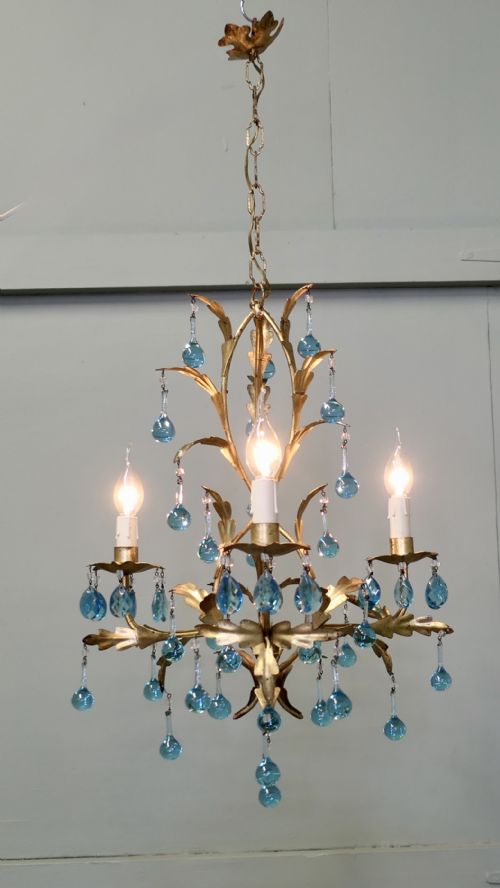


Metal Flower Lights
Metal flower lights bring botanical charm to interiors through delicate petal forms shaped in metal and ceramic.
Metal Flower Lights
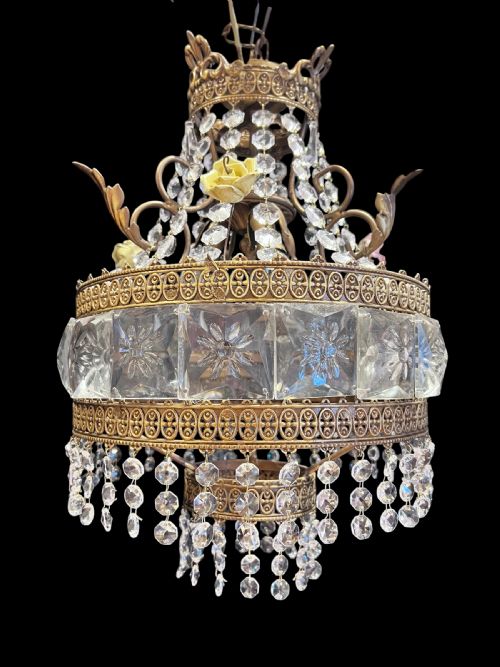
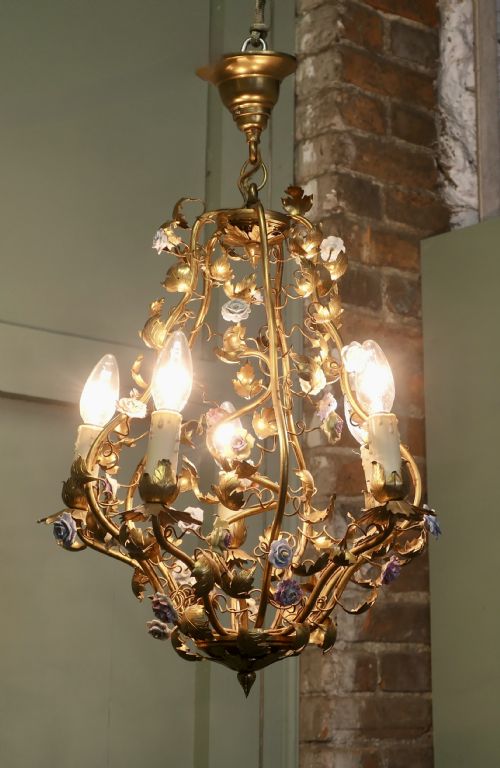
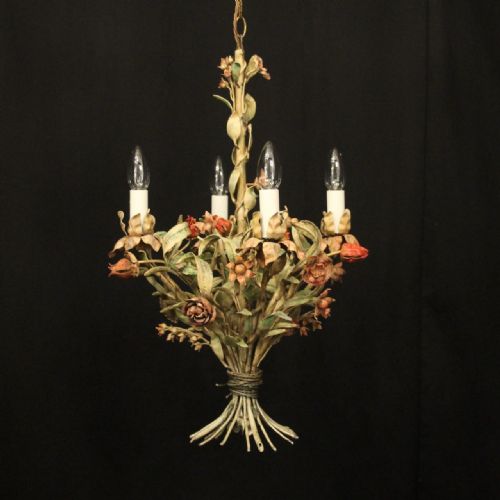
Metal flower lights encompass chandeliers, wall lights, and wall sconces featuring floral motifs formed from materials like tolewear, porcelain, and gilt metal. When searching for metal flower lights, buyers encounter pieces originating from diverse periods including the Edwardian era, 1880, 1900, 1910, 1920, and 1930. These lighting fixtures frequently adopt styles such as French Rococo, Italian Rococo Revival, French Art Nouveau, and French Country.
The most common configurations on this page are multi-bulb chandeliers and paired wall lights incorporating porcelain or ceramic flowers. Pieces often combine gilt metal branches with coloured floral elements, reflecting aesthetic influences from French chateaux and Florentine workshops.
Construction and materials
These lighting fixtures were constructed using combinations of gilt metal, brass, iron, and tolewear to form the structural branches, stems, and sconces. Artisans shaped sheet metal and cast bronze or iron into organic plant forms, applying surface gilding or polychrome paint to mimic natural foliage.
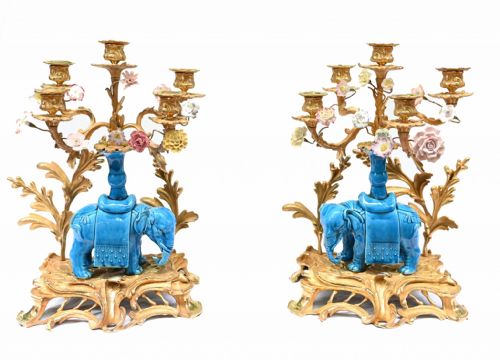
Flowers and decorative details were frequently modelled from ceramic and porcelain, then wired or soldered onto the metal framework alongside crystal or glass droplets. Some designs integrated carved or moulded elements such as cherubs or elephants alongside the botanical components.
Metal Flower Lights Retail Price Guide 2026
Typical asking prices for metal flower lights among the pieces listed under this phrase on Sellingantiques today, from the lower quarter to the upper quarter. They describe what is for sale here now, not the wider market.
Listings feature items from the Edwardian period alongside pieces dated to 1880, 1900, 1910, 1920, and 1930.
Assessing quality in floral lighting
Quality in these fixtures rests upon the delicacy and preservation of the botanical elements, particularly where porcelain and ceramic petals are concerned. Finer examples display meticulous hand-painted detail on individual leaves and blossoms, with securely mounted components that integrate seamlessly into the metal armature.
The sophistication of the metalwork itself dictates the overall standard, distinguishing rigidly cast pieces from those exhibiting fluid, hand-shaped tolewear and chased gilt surfaces. The weight of the frame and the harmonious balance between metal branches and floral adornments further separate standard production from superior craftsmanship.
The Metal Flower Lights Glossary
- Tolewear
- Painted or lacquered sheet metal items, often decorated with floral motifs in polychrome or gilt finishes. This technique was widely utilised in decorative lighting and decorative household objects.
- Gilt metal
- Metal surfaces treated with a thin layer of gold leaf or gilt paint to impart a lustrous metallic sheen. It provides a warm background for porcelain flowers and crystal drops.
- Rococo Revival
- A nineteenth-century design style reviving the asymmetrical scrolls, plant motifs, and ornamental curves of the eighteenth-century Rococo movement. This style heavily influences many French and Italian chandeliers.
- Sconce
- A wall-mounted lighting fixture designed to hold multiple bulbs or candles, often matching the aesthetic of a central chandelier in a room. Pairs of wall sconces frequently incorporate matching floral and cherub details.
Metal Flower Lights: Frequently Asked Questions
How are metal flower lights cleaned?
Dusting these fixtures requires a soft, dry brush to protect delicate porcelain petals and painted tolewear surfaces from accidental breakage. Moisture should be avoided unless specified for particular metal components.
Heavier cleaning of glass or crystal elements involves gentle wiping with a damp cloth while the fixture remains unpowered. Harsh chemical cleaners risk damaging the original gilding and polychrome paintwork.
Where do these floral lights originate?
The majority of pieces originate from French and Italian workshops, reflecting regional decorative traditions from the late nineteenth and early twentieth centuries. Styles range from provincial to ornate chateau aesthetics.
Design influences draw heavily upon Florentine craftsmanship and French regional decorative arts, incorporating local motifs like daisies, cherubs, and naturalistic foliage into standard domestic lighting.
How do I match wall lights with a chandelier?
Matching wall sconces with a central chandelier relies on shared materials such as gilt tolewear, ceramic flowers, and consistent branch counts or leaf motifs. Coordinated pairs create a unified decorative scheme across a room.
Even when pieces are not identical, repeating the same period style or porcelain flower type ensures visual harmony between wall fixtures and overhead lighting.