

Metal Fireplace Scuttle
A metal fireplace scuttle brings practical hearth storage into the room, combining functional fuel handling with period metalwork.
Metal Fireplace Scuttle
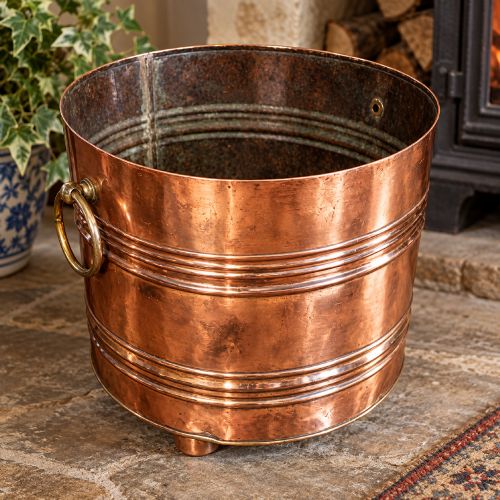
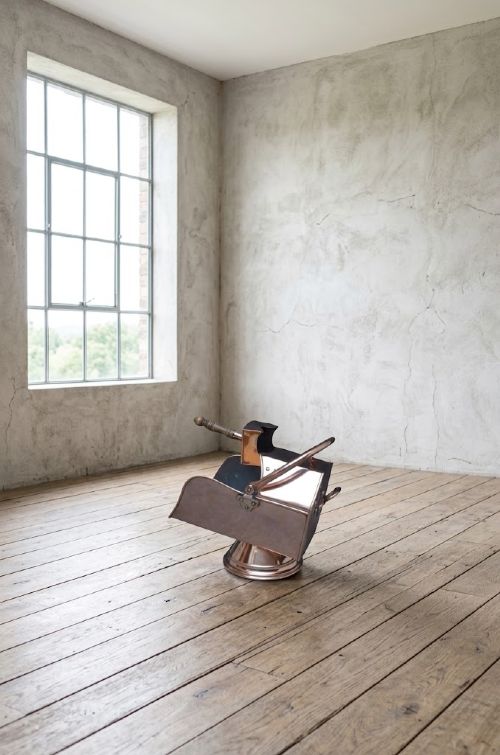
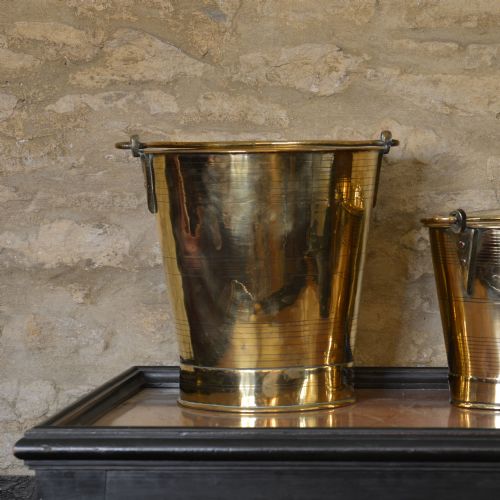
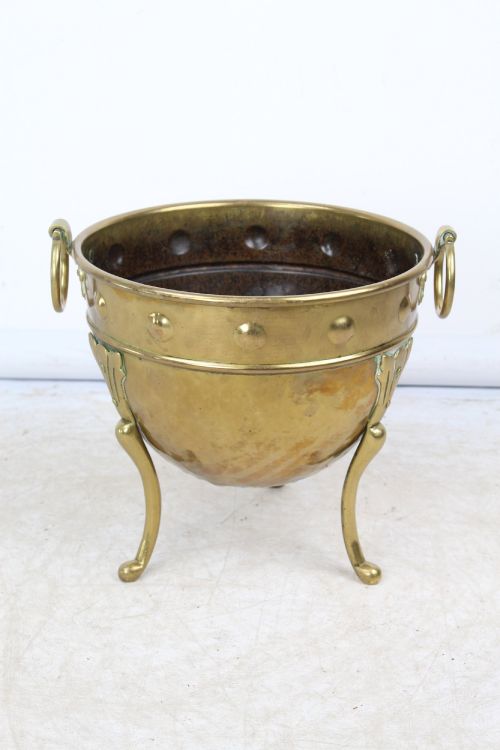
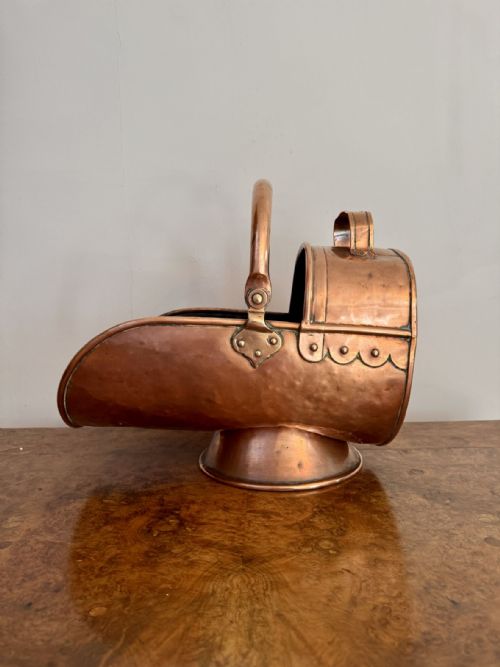
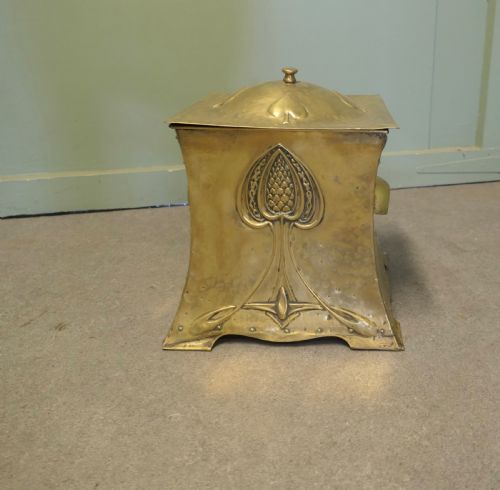
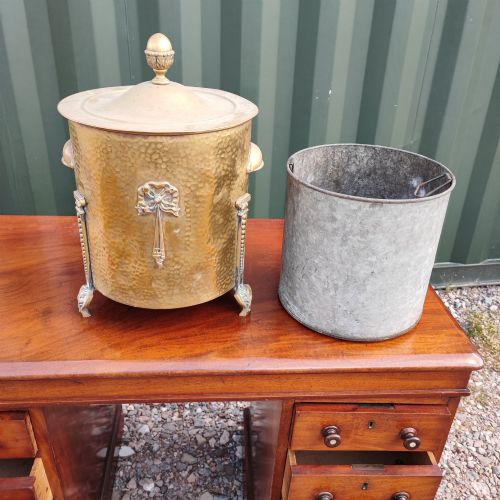
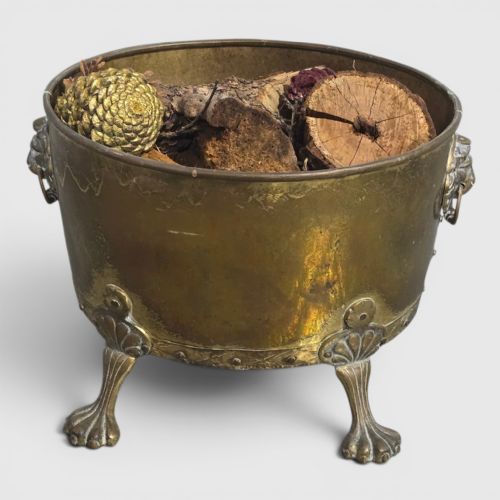
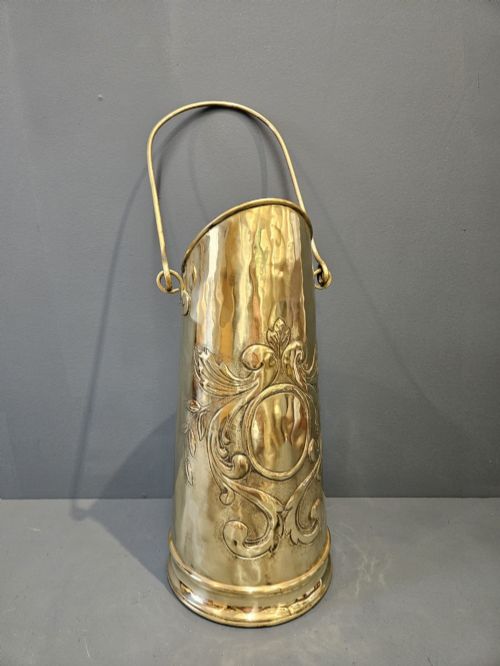
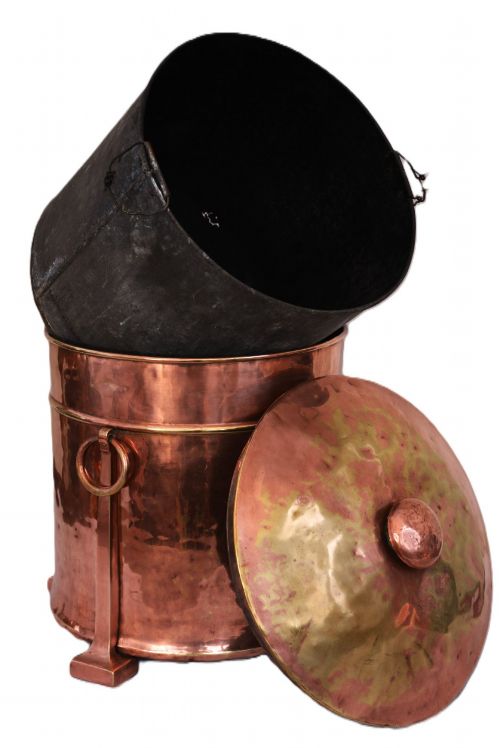
A metal fireplace scuttle serves as a container for coal, logs, and kindling beside the hearth, taking various bucket, helmet, and bin forms. Buyers seeking a metal fireplace scuttle encounter examples spanning the Victorian, Edwardian, and Art Deco periods, alongside distinct Arts and Crafts and Art Nouveau designs.
The material selection ranges from bright brass and warm copper to robust iron and galvanised metal, often incorporating wood or wrought iron elements. Victorian and Edwardian iterations dominate the selection, offering functional vessels that double as decorative planters or jardiniere bins.
How they were made
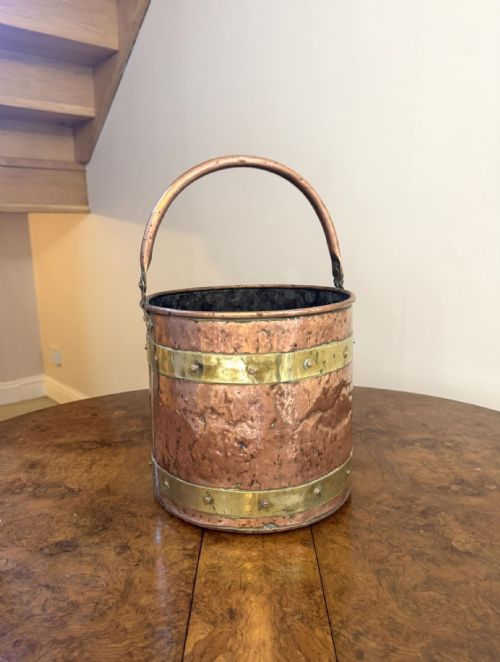
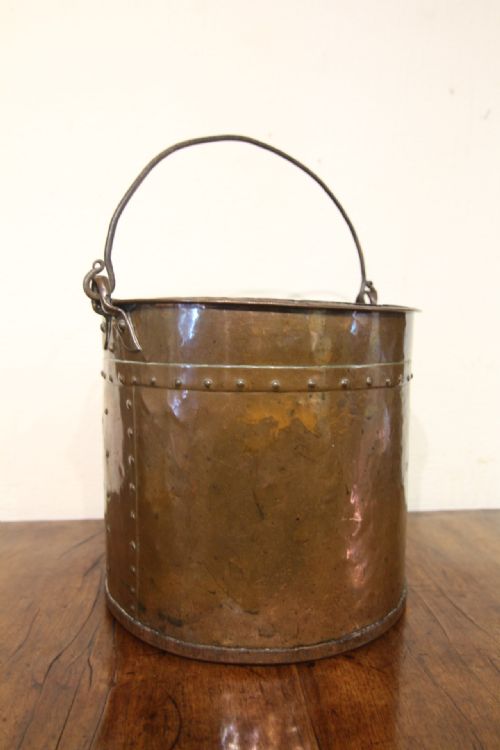
Makers utilised sheet metals such as brass and copper, shaping them through beating, hammering, and riveting to construct durable bodies. Wrought iron and iron formed structural handles and feet, while contrasting copper bands and brass trims added reinforcement and visual division.
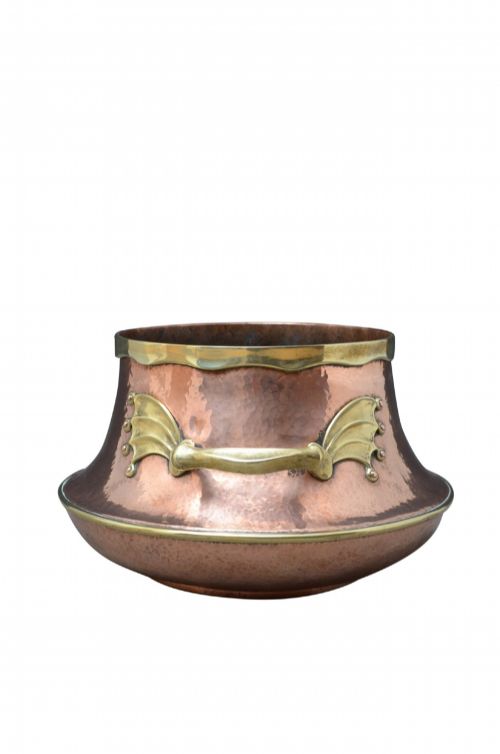
Surface ornamentation involved embossing, repoussé work, and applied decorative motifs, particularly during the Arts and Crafts and Art Nouveau periods. Rivets were left exposed on heavy copper buckets, displaying the honest construction methods of nineteenth-century metalworkers.
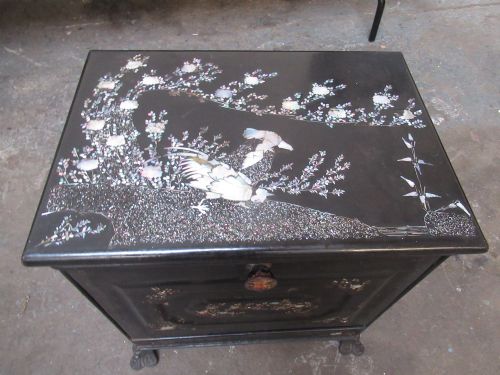
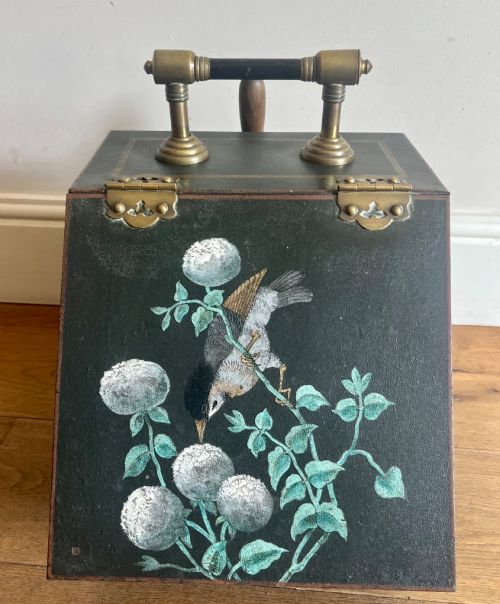
Tavern scenes and spade decorations occasionally appear on nineteenth-century coal boxes, bringing domestic humour to the fireside.
What varies in quality
The distinction between standard utility vessels and superior examples lies in the thickness of the metal gauge and the crispness of the hand-beaten or embossed decoration. Heavier copper and brass retain their structural integrity better over decades of hearthside service, resisting dents and warping.
Henry Loveridge·Petrus Ramus
The Metal Fireplace Scuttle Glossary
- Coal scuttle
- A container designed specifically to hold coal for a fireplace, often featuring a sloping mouth or a hinged lid for easy pouring. Many historical variants take the shape of a helmet or an open bucket with a swing handle.
- Repoussé
- A metalworking technique where the metal is hammered from the reverse side to create a raised design in relief on the front. This method was widely favoured by Arts and Crafts metalworkers.
- Jardiniere
- An ornamental pot or stand for holding plants or flowers, frequently adapted from coal bins and buckets in period interiors. These vessels often include metal liners to protect the outer body from moisture.
- Tole ware
- Lacquered or enamelled metalware, typically tin or iron, painted with decorative scenes or motifs. It provides a colourful alternative to plain brass and copper hearth accessories.
Metal Fireplace Scuttle: Frequently Asked Questions
What is a metal fireplace scuttle used for?
These vessels hold coal, logs, and kindling near the hearth, keeping solid fuel close to the fire for convenience. They also serve as decorative coal bins, helmet scuttles, or repurposed planters.
Historically, they replaced simpler wooden hods and baskets, offering a cleaner way to transport fuel across a room. Today, many owners utilise them purely as aesthetic fireside accessories or indoor plant holders.
How do I clean a brass or copper scuttle?
Maintenance depends on whether you prefer a bright polished shine or an aged, patinated surface. Gentle washing with warm soapy water removes soot and dust without stripping the historical finish.
Avoid harsh chemical abrasives that can damage delicate embossed patterns or thin metal plating. Many collectors prefer to leave the natural oxidation untouched as a marker of age.
How do I date a Victorian metal scuttle?
Dating relies on examining the manufacturing techniques, materials, and stylistic motifs present on the body. Riveted copper construction and hand-hammered details typically point toward the nineteenth century.
Stylistic shifts also offer clear clues, moving from heavy Victorian brass and copper to flowing Art Nouveau lines and geometric Edwardian forms. Maker marks or stamps, when present, provide a direct link to specific workshops.
Are these scuttles safe to use with real fires?
Most vintage and antique metal scuttles are structurally robust enough to hold dry logs and coal beside an active hearth. The primary purpose is storage rather than carrying burning fuel.
Check for interior corrosion or missing liners if you plan to use the vessel for damp wood or live plants. Protective feet and solid handles ensure safe handling during daily fireside routines.