




Metal Figure Door Stop
These metal figure door stop examples anchor a heavy door with sculptural presence, combining utility with distinct nineteenth century character.
Metal Figure Door Stop
A metal figure door stop serves as a weighty architectural accessory designed to hold heavy interior doors open. The selection here spans Victorian and Georgian periods, showcasing figural subjects that range from heraldic beasts to human characters.
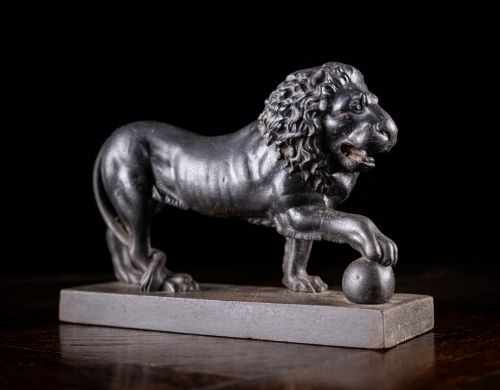
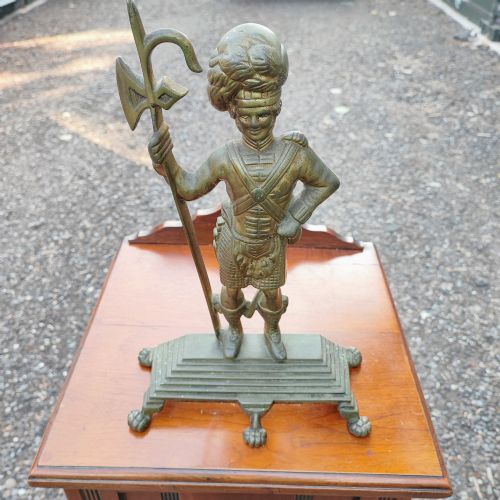
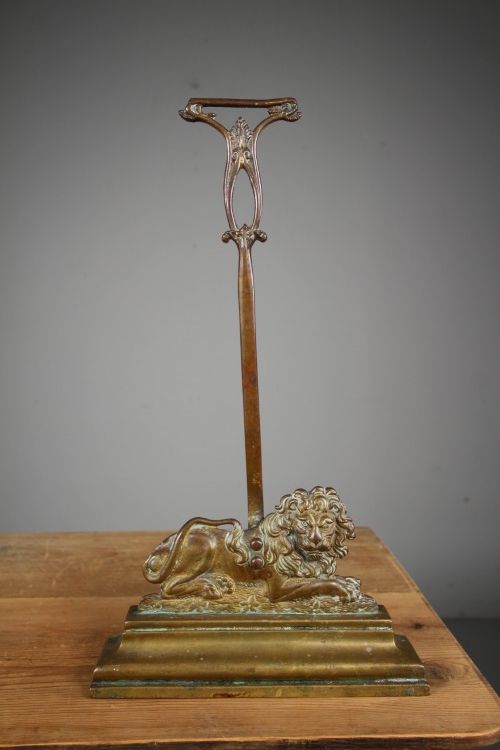
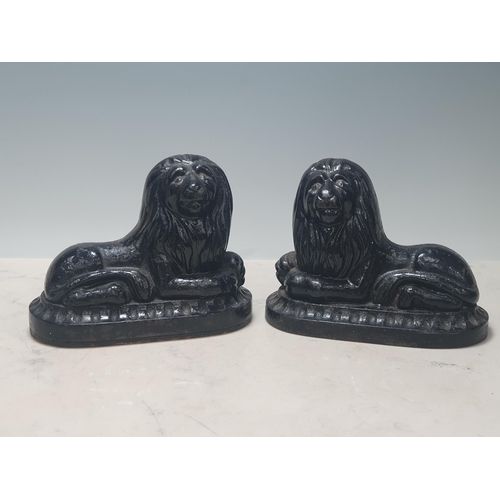
You will most frequently meet cast iron and brass iterations across this page. These pieces often take the form of lions, soldiers, or familiar cultural figures like Mr Punch.
Examples date from the late eighteenth century through the nineteenth century, including specific periods like 1850 and 1880. These items function equally well as practical household items and decorative sculptures.
How they were made
Foundries utilised traditional sand casting techniques to produce durable iron and brass bodies. Molten metal poured into moulds created heavy forms capable of resisting the daily pressure of swinging doors.
Surface finish often involved hand painting, seen in black painted or multi-coloured applications over cast iron. Brass versions relied on polished metal surfaces to highlight sculptural detail without additional pigment.
Metal Figure Door Stop Retail Price Guide 2026
Typical asking prices for metal figure door stop among the pieces listed under this phrase on Sellingantiques today, from the lower quarter to the upper quarter. They describe what is for sale here now, not the wider market.
Current listings feature Victorian, Georgian, and 1850 periods, utilising cast iron, brass, and painted finishes.
What varies in quality
The integrity of the original surface finish dictates desirability. Pieces retaining honest, period paint or well-maintained brass patination outrank those with heavy modern intervention.
The Metal Figure Door Stop Glossary
- Door porter
- An alternative term for a heavy door stop designed to be easily carried by a top handle or integrated grip. This descriptor often applies to larger lion forms.
- Cast iron
- An iron-carbon alloy poured into sand moulds to create robust and heavy objects. It forms the foundation of many Victorian functional pieces.
- Regency
- A stylistic period spanning the early nineteenth century characterised by classical restraint and animal motifs. Pieces from this era often lean toward bold sculptural presence.
- Halberd
- A two-handed pole weapon combining a spear and axe, frequently held by military figures in cast metal. This detail helps identify specific occupational or historical door stop subjects.
Metal Figure Door Stop: Frequently Asked Questions
How heavy are these door stops?
These pieces possess substantial weight derived from solid cast iron or brass construction. This mass allows them to hold heavy interior doors securely in place.
Buyers should expect enough heft to prevent sliding on typical floor coverings during daily use.
Were they always painted?
Surface treatments varied according to the metal and the maker's intention. Cast iron frequently received layers of black or coloured paint to prevent rust and enhance visual depth.
Brass versions typically remained unpainted, relying instead on polished metal surfaces to catch the light.
How do I date a cast iron stop?
Dating relies on stylistic clues, casting sharpness, and the nature of any surface wear. Georgian and Victorian examples display specific sculptural conventions distinct from later twentieth century reproductions.
Examining the underside and the texture of the metal provides further clues regarding manufacturing age.
Can I use them on modern doors?
These items function effectively with modern doors provided the clearance matches the height of the stop. Their primary job remains holding doors open against draughts or foot traffic.
Care should be taken on delicate flooring to ensure the heavy metal base does not cause scratching.