





Metal Figurative Sculpture
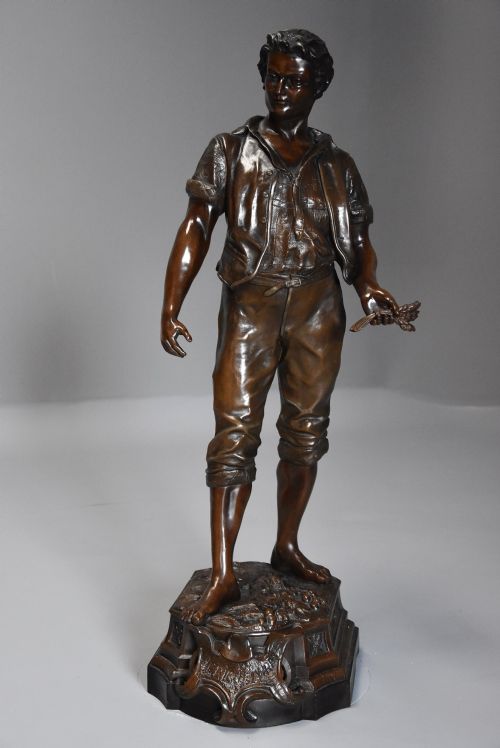
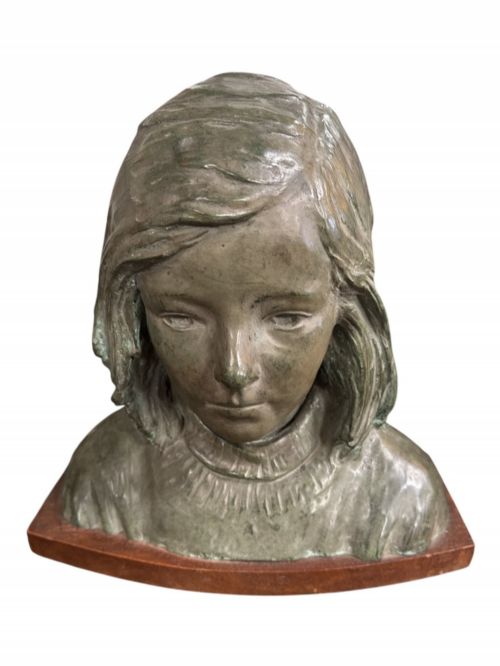
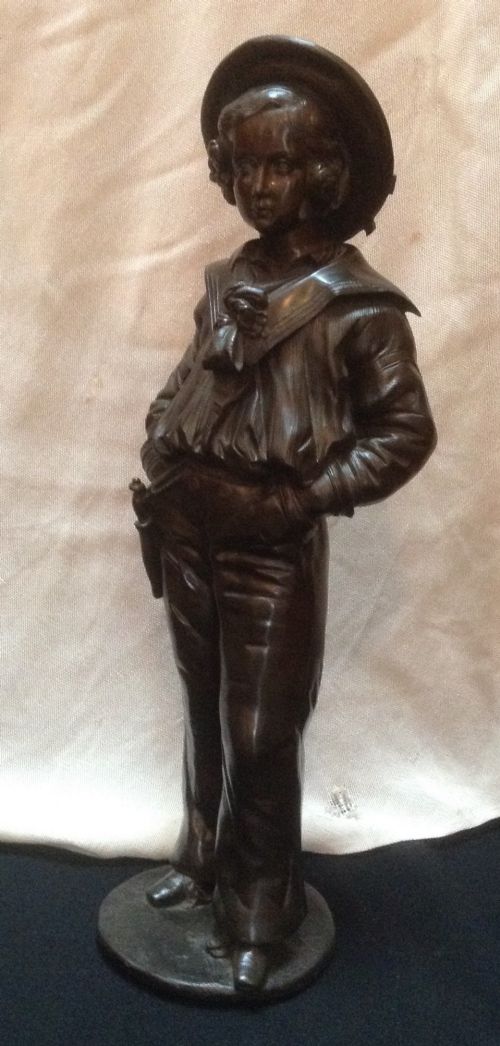
Metal figurative sculpture brings human and animal forms into your rooms through cast metalwork that spans multiple decades.
Metal Figurative Sculpture
Metal figurative sculpture comprises statues, busts, lamps, and candlesticks shaped to represent people, mythical figures, and animals. You will find these works rendered in bronze, spelter, iron, and bronzed metal across periods from the Georgian era through the Art Deco epoch.
French workshops dominate the selection, producing realistic farm workers, woodsmen, and mythological deities alongside stylised Art Deco figures. These pieces frequently double as functional lighting or decorative vessels while maintaining their primary sculptural presence.
The most common items you will meet on this page are spelter figures and bronze studies from the late nineteenth and early twentieth centuries. Artists and makers signed many of these castings, marking them out as distinct individual works rather than anonymous factory output.
Materials and casting methods
Foundries cast these sculptures using bronze or spelter, applying patinas, bronze finishes, or metallic paint to enrich the surface texture. Spelter offers a lighter, softer alternative to solid bronze, allowing intricate detail on figures, garments, and accessories.
Many items combine cast metal with carved wood, marble bases, or integrated lamp fittings to create robust decorative objects. Iron casting appears in sturdy pairs of statues, whilst bronze serves both delicate portrait busts and large athletic studies.
Metal Figurative Sculpture Retail Price Guide 2026
Typical asking prices for metal figurative sculpture among the pieces listed under this phrase on Sellingantiques today, from the lower quarter to the upper quarter. They describe what is for sale here now, not the wider market.
Listings feature French Realism, Gothic Revival, Neoclassical Revival, and Art Deco styles from the nineteenth and early twentieth centuries.
Distinguishing quality in castings
The reputation of the sculptor and the prestige of the foundry dictate the desirability of an individual work. Signed pieces by known artists command greater attention than unsigned commercial castings from the same period.
F.Milliot·J Camus·Bruno Zach·Lavergne
The Metal Figurative Sculpture Glossary
- Spelter
- A zinc alloy used as a cost-effective substitute for bronze in decorative figures and lamps. It takes patination well but is softer and more brittle than true bronze.
- Patina
- The surface coloration and sheen developed naturally over time or applied chemically by the foundry. It enhances the visual depth of metal sculpture.
- Pendant
- One of a matched pair of objects designed to be displayed together, such as candlesticks or companion figures. They mirror each other in theme and composition.
- Lost-wax casting
- A traditional method of creating metal sculptures from a wax model, ensuring high detail and individuality. Most fine bronze statues rely on this technique.
Metal Figurative Sculpture: Frequently Asked Questions
What is spelter?
Spelter is a zinc-based alloy commonly utilised as an alternative to bronze for sculptural figures and decorative lamps. It allowed nineteenth-century makers to produce ornate pieces at a lower cost.
Objects made from spelter are lighter than bronze and often feature a bronzed finish to mimic heavier metal. Careful handling is required because spelter is softer than bronze.
How do I clean metal sculptures?
Dusting with a soft, dry cloth is the safest way to maintain metal figures and busts. Avoid harsh chemical cleaners that strip the original patina.
Protect the surface from moisture and direct sunlight to preserve the finish. Wax can be applied sparingly to bronze to guard against oxidation.
Are these pieces signed?
Many sculptures bear signatures or foundry marks stamped directly into the metal or the base. These inscriptions often name the artist who modelled the original figure.
Signatures provide helpful clues for dating the piece and identifying the creator. Unsigned works remain common, particularly among decorative lamps and novelty items.
Where were they made?
French foundries produced a large proportion of the figurative metalwork found in these collections. Parisian workshops set the standard for Neoclassical and Art Deco styles.
British and European makers also contributed cast iron and bronze pieces for domestic interiors and gardens. Regional foundries often specialised in specific types of decorative metalware.