









Metal Female Sculpture
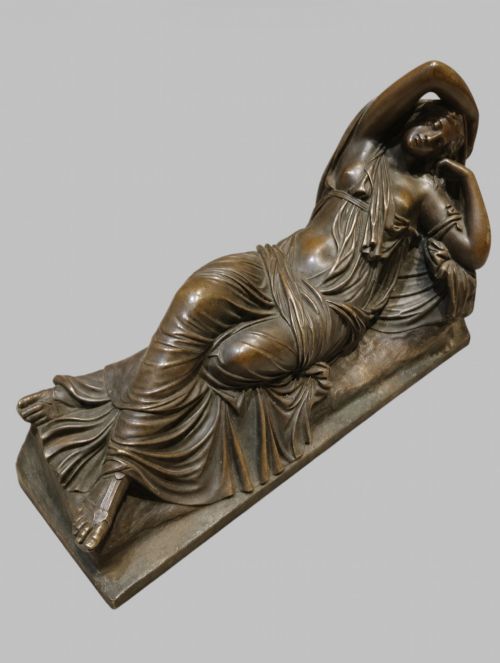
Metal female sculpture spans the nineteenth century through the art deco era, offering bronze, spelter, and cast iron depictions of women.
Metal Female Sculpture
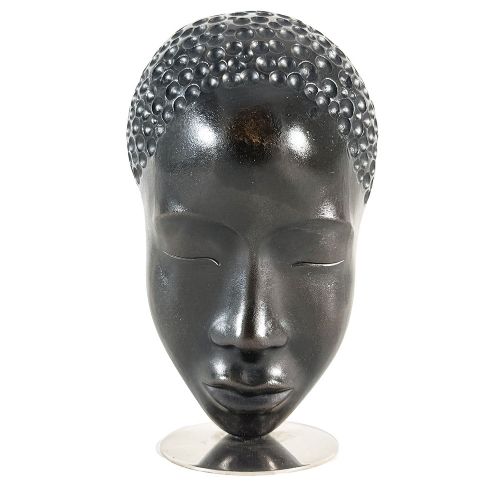
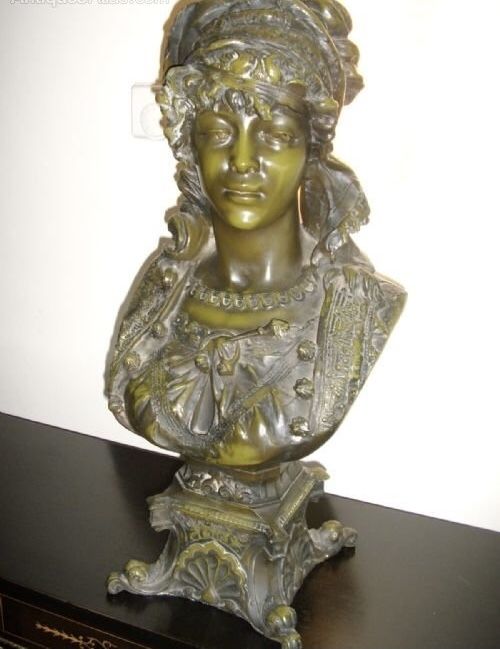
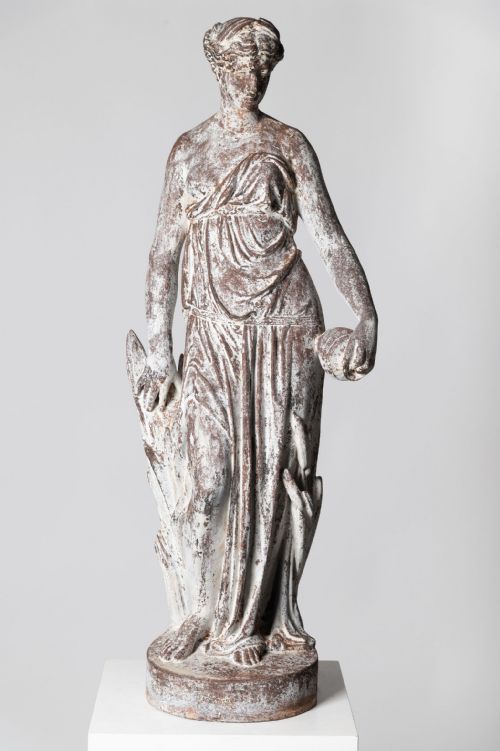
Metal female sculpture comprises figures, busts, and vases produced in bronze, spelter, cast iron, and silvered metal. When searching for metal female sculpture, buyers encounter works ranging from nineteenth century neoclassical and romantic depictions to streamlined nineteen-thirties figures.
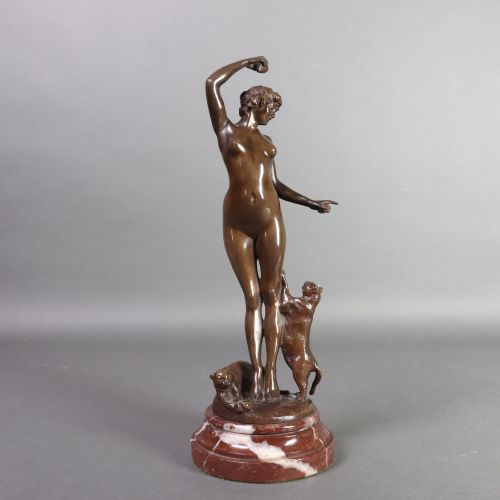
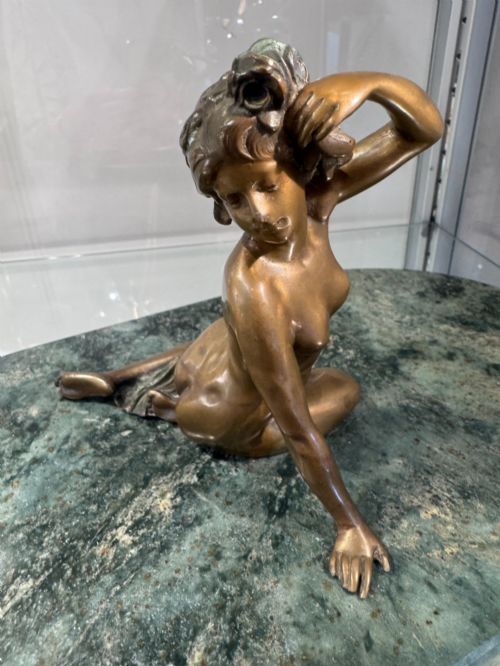
The most common pieces on this page are French works from the art nouveau and art deco periods. These include dancers, allegorical maidens, and portrait busts mounted on marble or onyx bases.
How they were made
Foundries cast these pieces using bronze, spelter, and cast iron, often applying patinas, cold-painting, silver plating, or gilding to the metal surface. Spelter served as a common, more affordable alternative to bronze, especially for decorative figures and table lighters produced during the nineteen-thirties.
Many sculptures incorporate mixed materials, combining metal figures with marble or onyx plinths, crystal glass, or carved wooden elements.
Metal Female Sculpture Retail Price Guide 2026
Typical asking prices for metal female sculpture among the pieces listed under this phrase on Sellingantiques today, from the lower quarter to the upper quarter. They describe what is for sale here now, not the wider market.
Listings feature metal female sculptures spanning from the eighteen-sixties through nineteen-thirty, with a strong concentration of art deco spelter and art nouveau bronze works.
What varies in quality
The choice of base material also marks a distinction, with heavy veined marble and onyx mounts supporting superior works compared to simpler wooden or plain bases.
Gustave Dussart·Hagenauer·Josef Lorenzl·Henri Godet·Charles Korschann·Pierre Le Faguays·Arthur Waagen·Claire Colinet·Jean Jacques Pradier·Georges Van Der Straeten
The Metal Female Sculpture Glossary
- Spelter
- A zinc alloy used as a substitute for bronze in decorative figures and statues. It takes patination and paint well but possesses a softer structure than bronze.
- Patina
- The surface coloration and sheen acquired by metal over time or applied chemically by the maker. A well-preserved patina enhances the depth of the casting.
- Cold-painted bronze
- A technique where paint is applied to a bronze casting without heat firing. This finish requires careful preservation to prevent flaking.
- Art Deco
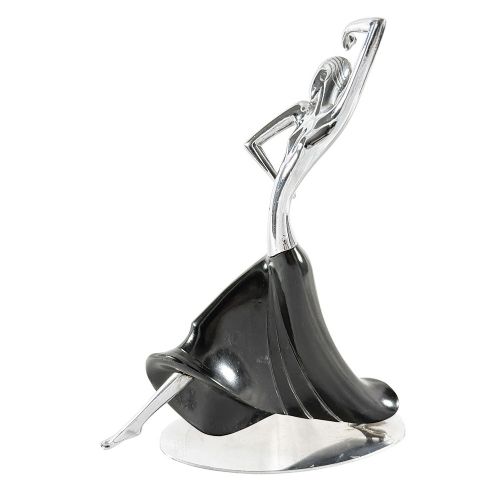
- A design style prominent around nineteen-thirty characterised by geometric forms and streamlined shapes. Figures from this period often depict dancers and athletes in motion.
Metal Female Sculpture: Frequently Asked Questions
What is spelter?
Spelter is a zinc-based alloy commonly utilised for French decorative figures during the nineteenth and early twentieth centuries. It offered a cost-effective alternative to bronze for domestic ornaments.
Because spelter is softer than bronze, pieces made from it require gentle handling. They often carry painted or patinated finishes designed to imitate heavier metals.
How do I identify art deco figures?
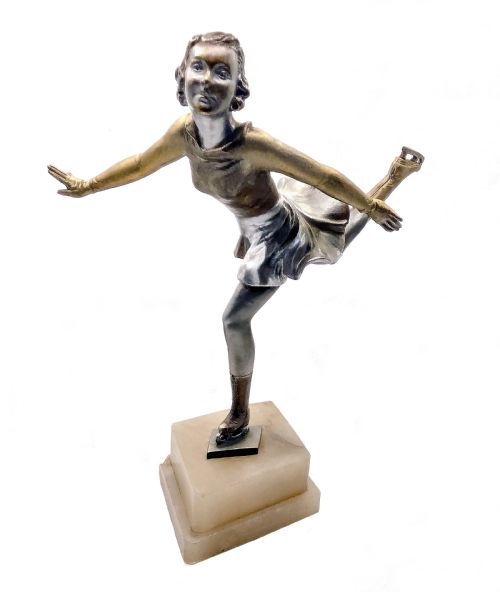
Art deco figures typically date from the nineteen-twenties and nineteen-thirties, featuring stylized lines and geometric posture. Subjects frequently include dancers, ice skaters, and modern women.
These pieces often stand upon marble or onyx bases and utilise materials like chrome plate, silvered bronze, or painted spelter.
Where were these sculptures made?
The majority of these pieces originated in France, particularly through Parisian foundries and workshops during the nineteenth and early twentieth centuries. French makers dominated both art nouveau and art deco metalwork.
Foundries such as Val d'Osne produced larger cast iron works, while individual sculptors worked with specialised bronze foundries for smaller figures and busts.
How should I clean metal sculptures?
Dust metal sculptures gently with a dry, soft cloth to protect the surface finish and any applied patina. Avoid harsh chemical cleaners or abrasive materials that can strip the coloration.
Cold-painted and silvered surfaces demand particular caution. Moisture and rigorous rubbing will damage delicate painted details on nineteenth and twentieth-century pieces.