


Metal Desk Lamp
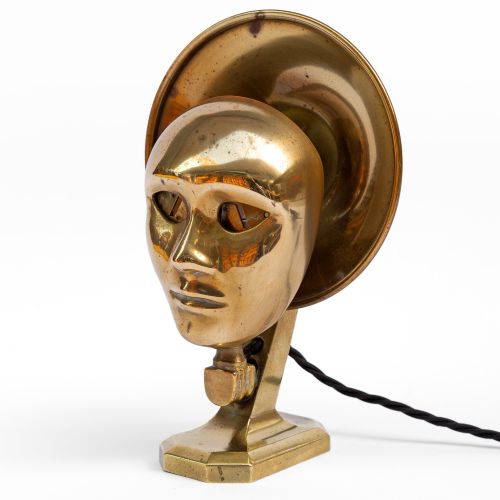
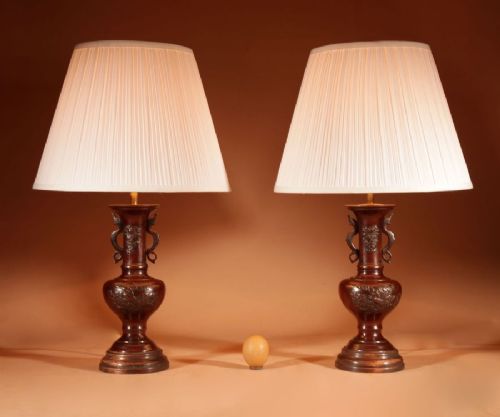
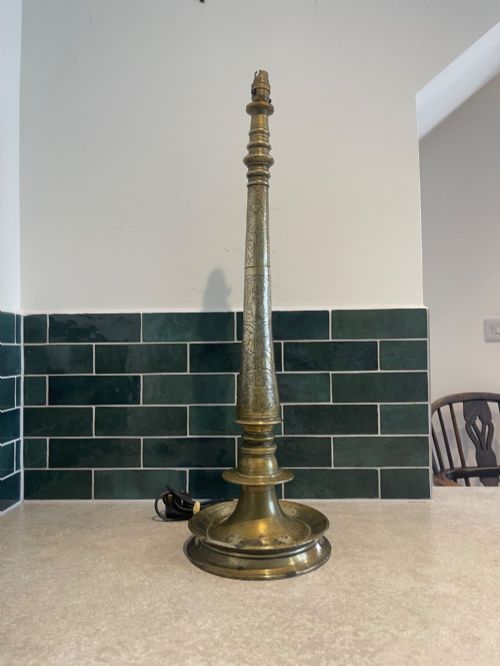
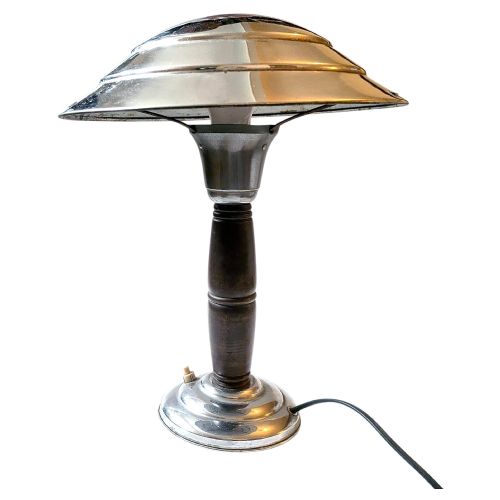
A metal desk lamp brings industrial utility and period design to a workspace, offering focused illumination through enduring materials like brass, bronze, and chrome.
Metal Desk Lamp
A metal desk lamp provides functional workspace illumination while reflecting the decorative movements of its time, ranging from nineteenth-century forms to twentieth-century industrial designs. When searching for a metal desk lamp, collectors encounter diverse styles including Art Deco, Art Nouveau, and Edwardian interpretations.
The selections span from early forms incorporating brass and bronze to later machine age chrome and steel creations. Many pieces integrate adjustable elements, articulated arms, or specialised shades such as toleware and shell designs.
Origins vary widely across England, France, and other continental workshops, showing influences from classical revival to modernist principles. These task lights and reading lamps demonstrate how practical objects evolved alongside decorative arts.
Materials and construction techniques
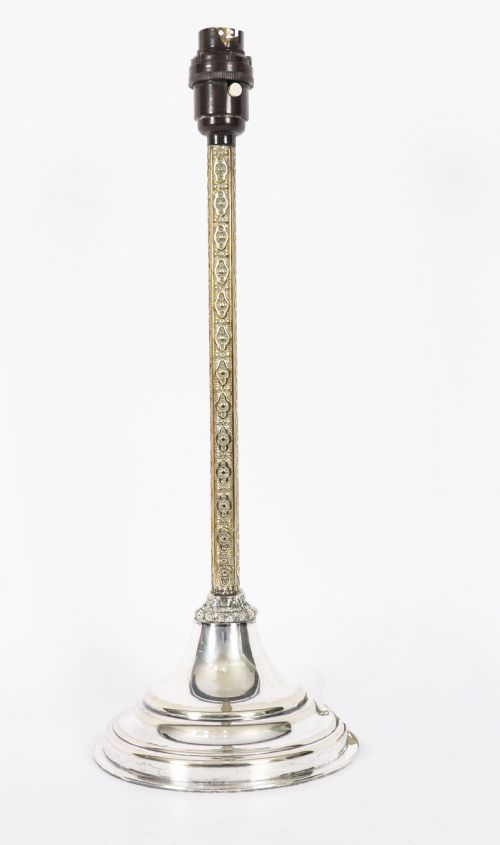
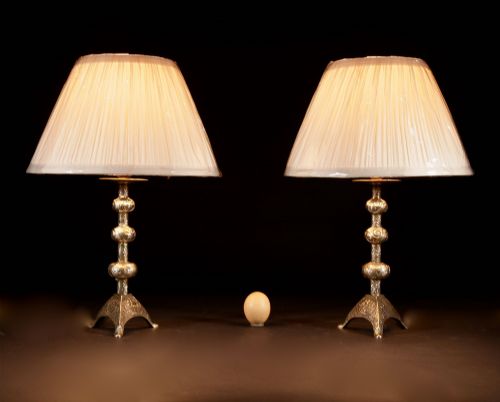
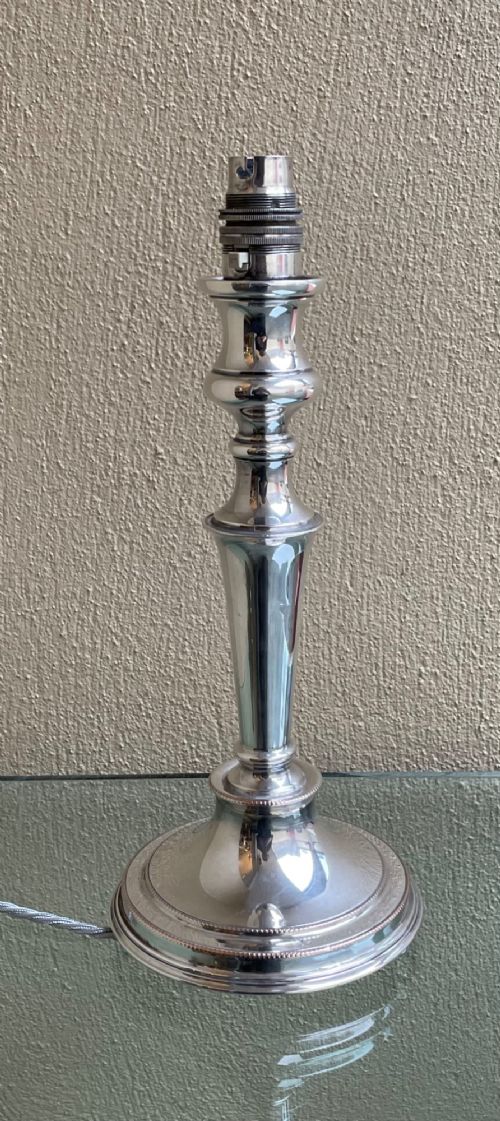
Construction relies heavily on durable base metals, with brass, bronze, copper, and cast iron forming the structural components of the lamps. Silver plating, gilt metal, and ormolu finishes frequently coat these metals to add decorative contrast.
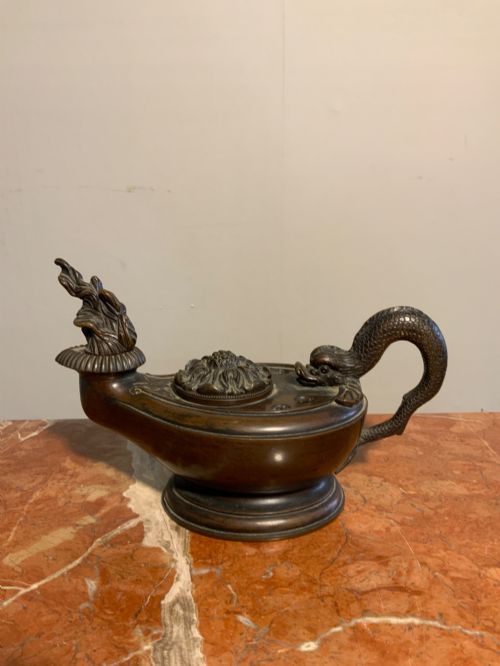
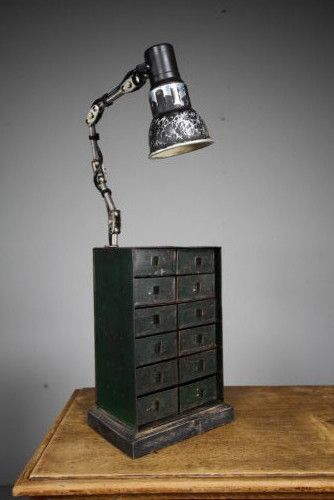
Manufacturing methods combine metal casting, spinning, and patination, alongside specialised surface treatments like parcel gilding and enpolishing. Wiring and fittings are often adapted or integrated into original forms such as converted oil lamps and jewellers chests.
Metal Desk Lamp Retail Price Guide 2026
Typical asking prices for metal desk lamp among the pieces listed under this phrase on Sellingantiques today, from the lower quarter to the upper quarter. They describe what is for sale here now, not the wider market.
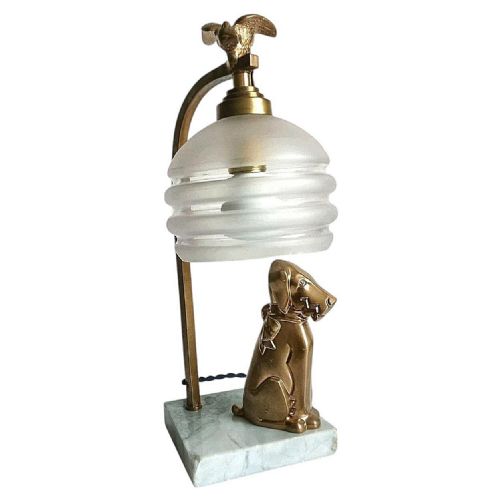
Some desk lamps double as novelty animals, incorporating bronze dogs and parrots into the workspace illumination.
Evaluating craftsmanship and integrity
Quality rests in the weight and thickness of the cast metal components, the precision of articulated joints, and the integrity of original surface finishes like patination or gilding. Superior examples maintain uncompromised structural alignment and authentic period fittings.
The distinction between standard production pieces and finer items often lies in the sculptural detail of decorative figures, the refinement of applied ornamentation, and the preservation of maker-attributed shades or bases.
Mappin & Webb·Eileen Grey·L & F Moreau·Herbert Terry·W A S Benson·Muller Bros
The Metal Desk Lamp Glossary
- Art Deco
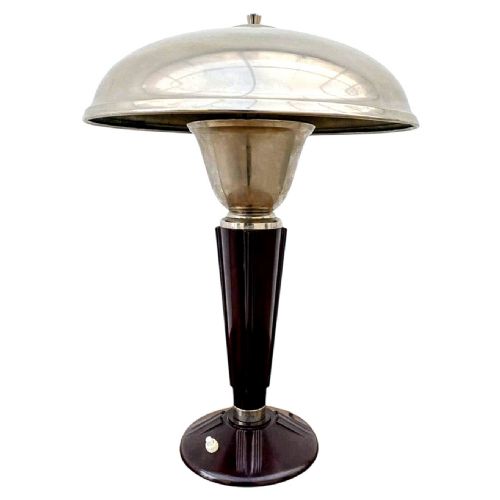
- A design style dominant in the 1920s and 1930s characterised by geometric symmetry, streamlined forms, and machine-age influences. It often utilises chrome, bakelite, and nickel.
- Art Nouveau
- An international style of the late nineteenth and early twentieth centuries inspired by natural, flowing plant forms and sinuous organic lines. Spelter and bronze pieces frequently employ this aesthetic.
- Toleware
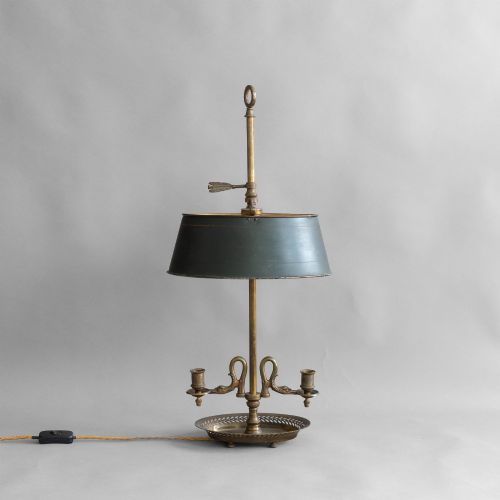
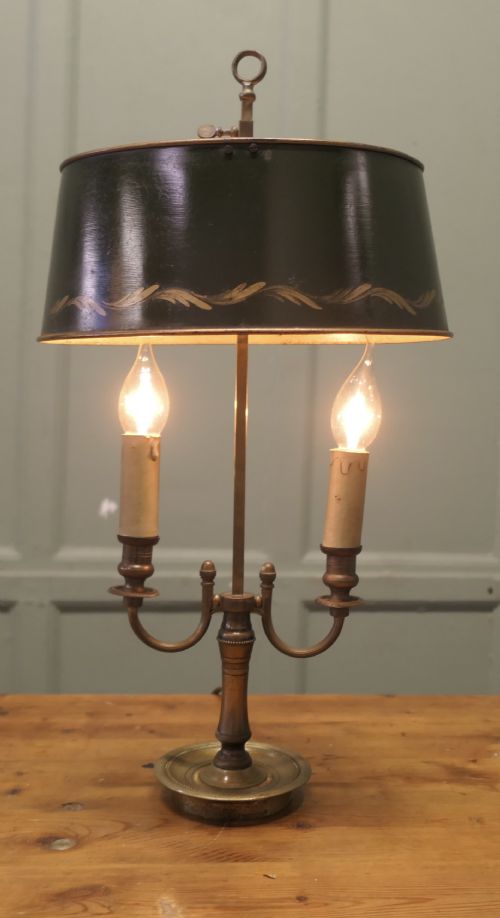
- Painted or lacquered metalware, typically tin or steel, used for lamp shades and bodies in contrasting green, gold, and dark hues. It originated in France and appeared extensively on nineteenth-century bouillotte lamps.
- Spelter
- An alloy of zinc and lead used as a less expensive substitute for bronze in decorative figures and lamp bases during the Victorian and Edwardian eras. It accepts patination and metallic finishes readily.
- Patina
- The surface sheen and coloration developed naturally over time or through chemical application on metals such as bronze, brass, and copper. It indicates age and handling.
Metal Desk Lamp: Frequently Asked Questions
How do I identify an Art Deco metal desk lamp?
Art Deco metal desk lamps from the 1920s and 1930s display geometric lines, stepped bases, and industrial finishes such as chrome and nickel. They reflect the machine age with clean silhouettes and functional engineering.
Look for adjustable arms, Bakelite elements, and influences from modernist movements. These characteristics separate them from earlier ornate Victorian or Edwardian designs.
What is the difference between brass and bronze?
Brass is an alloy of copper and zinc, yielding a bright golden appearance that polishes easily. Bronze is an alloy of copper and tin, producing a darker, heavier material that accepts rich patination.
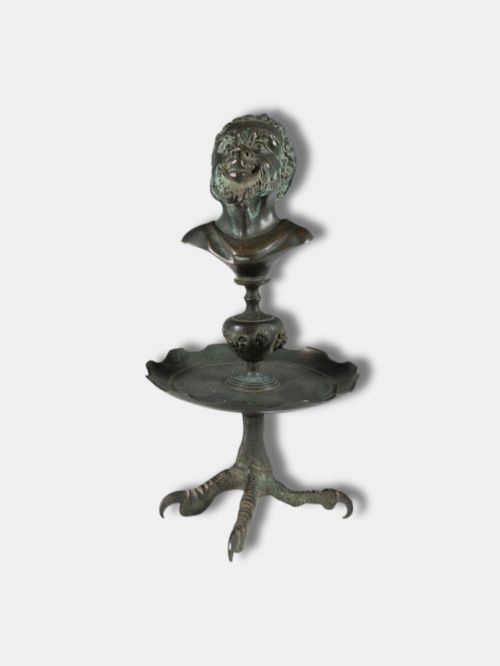
Bronze frequently appears in high-detail sculptural pieces and Grand Tour items. Brass is more commonly found in structural tubing, adjustable arms, and spun lamp bases.
How do I care for a vintage metal lamp?
Dust metal surfaces gently with a dry microfibre cloth to protect patination and finishes. Avoid abrasive cleaners or metal polishes that strip historical surfaces and applied patinas.
Check the electrical wiring periodically for safety, especially on older converted pieces. Keep the lamp away from excessive moisture to preserve the metal and any fabric or painted components.