


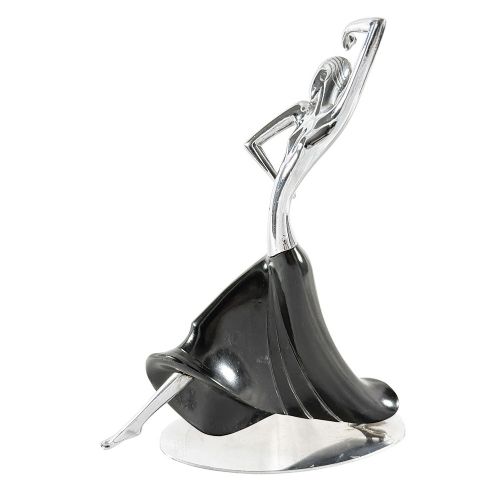


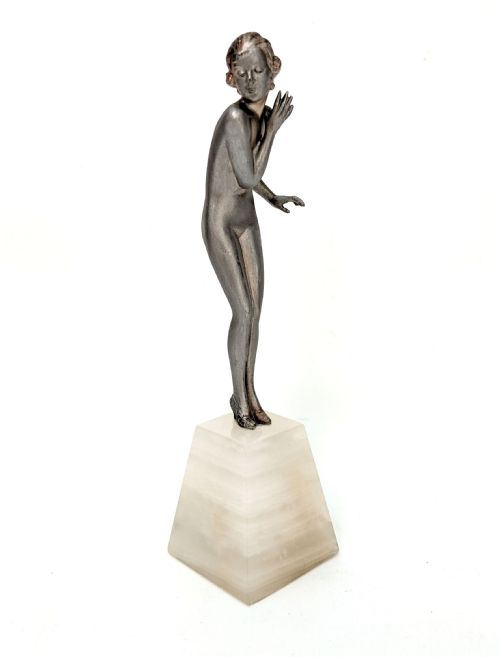


Metal Dancer Figurine
These metal dancer figurine pieces capture movement in solid form, offering a sculptural centrepiece for any interior.
Metal Dancer Figurine
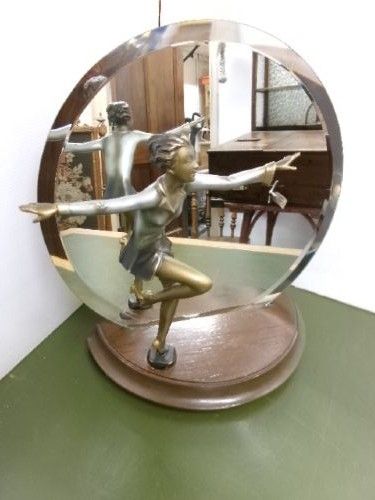
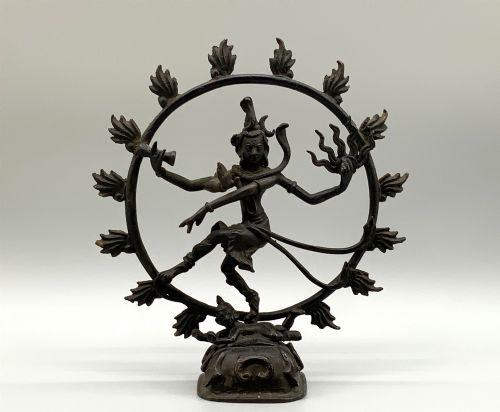
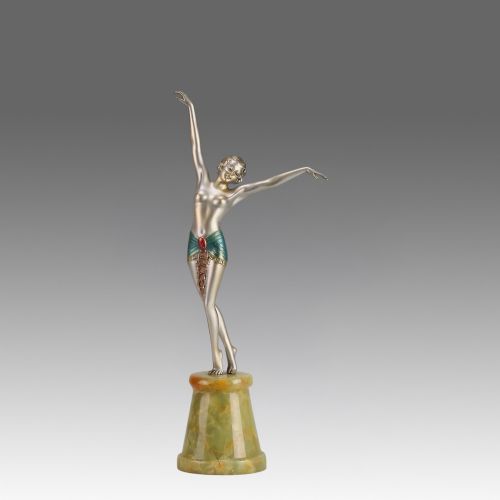
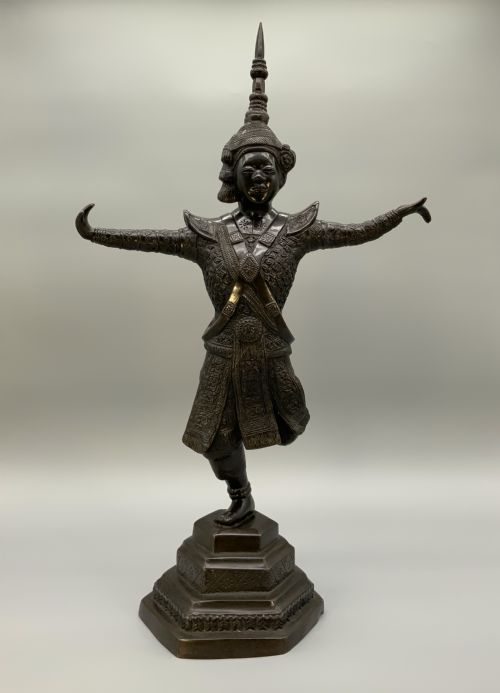
A metal dancer figurine represents human movement through sculpted bronze, spelter, or silvered metal, often mounted on stone bases. These works span the nineteenth century through the Art Deco period, capturing theatrical performers, mythological figures, and traditional dancers.
The most common examples on this page are Art Deco figures from the 1920s and 1930s, frequently cast in spelter or bronze and paired with onyx, marble, or alabaster bases. Alongside dedicated sculptures and statuettes, the selection includes functional objects such as table lamps and table lighters.
How they were made
Foundry methods utilise metal casting to shape bronze and spelter into intricate postures, sometimes finished with cold-painted details or silver plating. Surfaces are treated to achieve specific tones, contrasting metallic sheens with painted garments or exposed metal.
Mounting involves securing the metal figures to heavy stone supports such as onyx, marble, or alabaster. These dense bases anchor the dynamic poses and provide stability for taller sculptures and figural table lighters.
Metal Dancer Figurine Retail Price Guide 2026
Typical asking prices for metal dancer figurine among the pieces listed under this phrase on Sellingantiques today, from the lower quarter to the upper quarter. They describe what is for sale here now, not the wider market.
Listings combine nineteenth century works with Art Deco pieces from the 1920s, 1930s, and 1940s, utilising bronze, spelter, onyx, and marble.
What varies in quality
Material composition and base selection divide standard decorative items from superior works. Solid bronze and heavy silvered bronze command greater presence than painted spelter, whilst select natural marble and onyx plinths elevate the presentation of the sculpture.
Josef Lorenzl·Pierre Le Faguays·Claire Colinet·Jean Jacques Pradier
The Metal Dancer Figurine Glossary
- Spelter
- A zinc alloy commonly utilised as an economical alternative to bronze for sculptural casting. It frequently serves as a base metal for cold-painted or silvered Art Deco figures.
- Cold-painted
- A technique where paint is applied to metal after casting without high-temperature firing. This method allows for delicate polychrome finishes on clothing and accessories.
- Onyx
- A banded variety of chalcedony employed as a heavy natural stone plinth. It provides a contrasting foundation for metal statuary.
- Silvered bronze
- Bronze metal treated with a silver plating or finish to create a bright metallic surface. This treatment highlights the contours of dancers and drapery.
Metal Dancer Figurine: Frequently Asked Questions
What materials are used?
The listings feature metal components made predominantly from bronze, spelter, and silvered bronze. Many pieces incorporate painted metal alongside glass, wood, and enamel elements.
Supporting bases utilise natural stones including onyx, marble, and alabaster to anchor the figures securely.
How do I date them?
Dating relies on stylistic markers and recorded periods, ranging from nineteenth century classical works to 1920s and 1930s Art Deco designs. Maker attributions and specific casting signatures also help place figures in time.
Materials like spelter paired with onyx bases strongly indicate the interwar Art Deco era.
Were they functional objects?
Most pieces are purely decorative sculptures, statuettes, or figurines designed to capture theatrical movement in domestic spaces. However, the evidence also records forms that served practical purposes.
Selected items integrate utility directly into the design, functioning as table lamps or tall table lighters.
How are bases matched?
Figurines are mounted onto heavy stone plinths to provide structural balance for dynamic, outstretched dancing poses. Onyx, marble, and alabaster are shaped into rectangular, stepped, or circular blocks.
The choice of stone often reflects the period taste, with geometric onyx and marble bases characteristic of Art Deco sculpture.