




Metal Conservatory Planter
A metal conservatory planter brings architectural structure to interior greenery, offering durable plant display shaped by centuries of garden design.
Metal Conservatory Planter
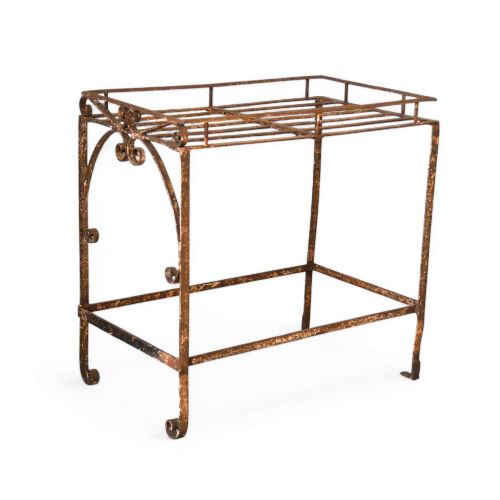
A metal conservatory planter serves as a purposeful vessel for housing indoor flora, drawing from a tradition of functional horticulture and ornamental display. When searching for a metal conservatory planter, collectors encounter examples spanning the Georgian, Victorian, and Edwardian eras alongside mid-century pieces.
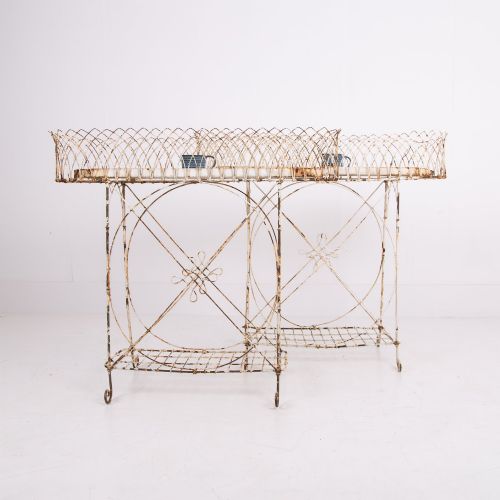
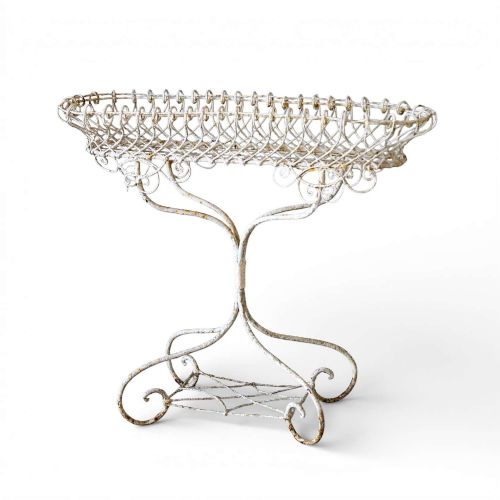
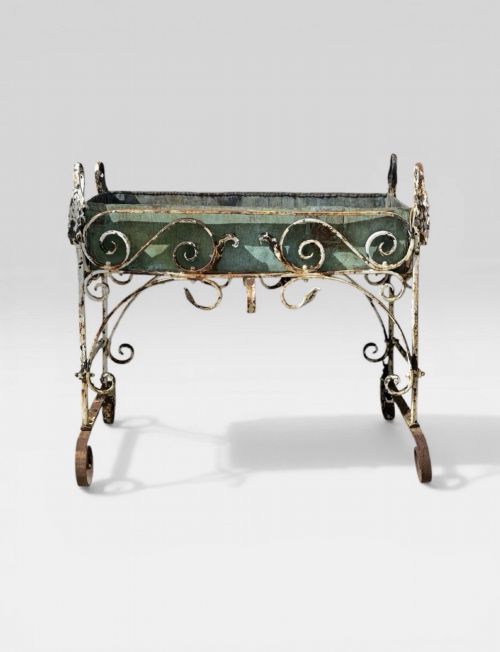
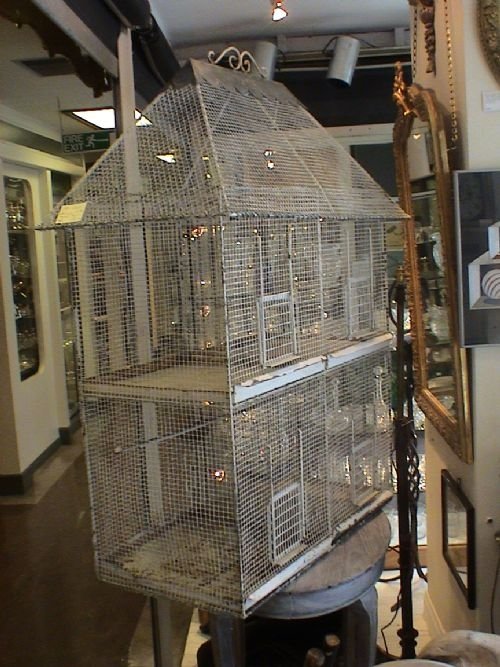
The forms vary widely across the inventory, ranging from tiered wirework plant stands and lattice basket tops to brass watering cans, heavy garden urns, and copper jardinieres. Most commonly, these items emerge from English and French country house traditions, combining structural utility with decorative appeal.
How they were made
Makers shaped these pieces predominantly using wrought iron, brass, copper, and wirework, often incorporating zinc linings and painted finishes. Artisans formed intricate scrollwork and lattice structures by hand, welding or fastening metal components to support heavy plants and damp soil.
The construction relies on durable metals designed to withstand moisture, with heavier items utilising cast iron and estate-made wrought iron. Details such as woven wire and soldered seams distinguish the various forms, reflecting the specific functional demands of nineteenth- and twentieth-century glasshouses.
Metal Conservatory Planter Retail Price Guide 2026
Typical asking prices for metal conservatory planter among the pieces listed under this phrase on Sellingantiques today, from the lower quarter to the upper quarter. They describe what is for sale here now, not the wider market.
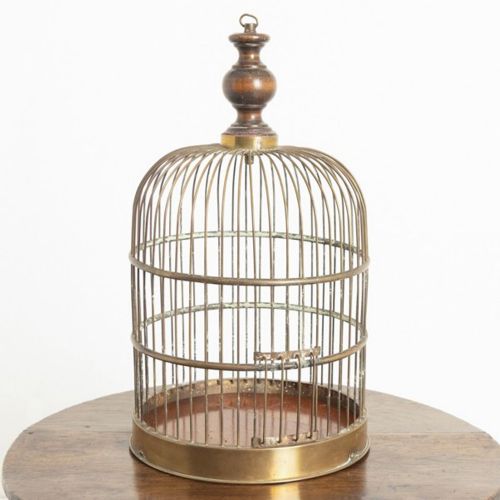
Several items double as historic housing for feathered residents rather than flora, including antique brass bird cages.
What varies in quality
Quality in these vessels rests upon the finesse of the metalwork and the integrity of the original construction. Pieces featuring sophisticated scrollwork, balanced proportions, and substantial gauge materials stand apart from simpler utilitarian items.
The character of the surface finish further defines the standard, where authentic patination on copper, brass, and painted iron demonstrates age and handling. Superior examples maintain their structural rigidity despite exposure to moisture and garden use over generations.
The Metal Conservatory Planter Glossary
- Wirework
- Metal strands shaped into open-lattice structures, commonly utilised for lightweight plant stands and tiered conservatory displays during the Victorian period.
- Wrought iron
- Tough, malleable iron beaten into shape by hand, frequently employed for durable estate-made garden racks and plant stands.
- Conservatory
- A glass-roofed room attached to a house used as a greenhouse or sunroom, historically housing potted plants on specialised stands.
Metal Conservatory Planter: Frequently Asked Questions
Where were these placed?
These pieces sat within glasshouses, garden rooms, and domestic interiors to elevate potted greenery off flagstone or wooden floors. They provided structured tiers and surfaces for organising large plant collections.
Their robust metal construction handled constant watering and damp conditions found in Victorian and Edwardian plant rooms.
How do I date a piece?
Dating relies on observing material choices, construction methods, and stylistic cues such as Georgian scrollwork or Edwardian wire configurations. Reference points include the transition from hand-forged wrought iron to later industrial wirework.
Makers utilised specific gauges of brass and copper during the nineteenth century that differ visibly from mid-century production standards.
Can I use them outside?
Many wrought iron and cast iron pieces were built for garden and patio environments, though indoor examples like brass watering cans and copper jardinieres prefer sheltered spaces. Exposure to weather will further alter painted and unsealed metal surfaces.
Checking the metal type ensures the object withstands outdoor moisture without compromising its structural integrity.
What styles are common?
Victorian, Edwardian, and French country aesthetics dominate the selection, characterised by ornate scrollwork, lattice baskets, and tiered configurations. English country house pieces favour practical utility combined with decorative presence.
Styles shifted from formal Regency and Victorian ironwork towards lighter wirework and twentieth-century utilitarian forms.