


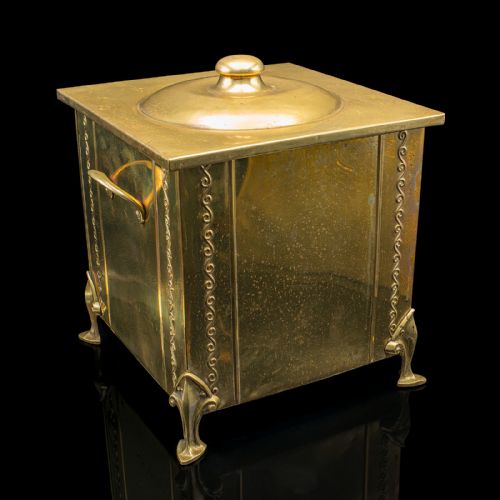
Metal Coal Box
A metal coal box brings practical warmth to the hearth, combining durable storage with decorative craftsmanship across various periods.
Metal Coal Box
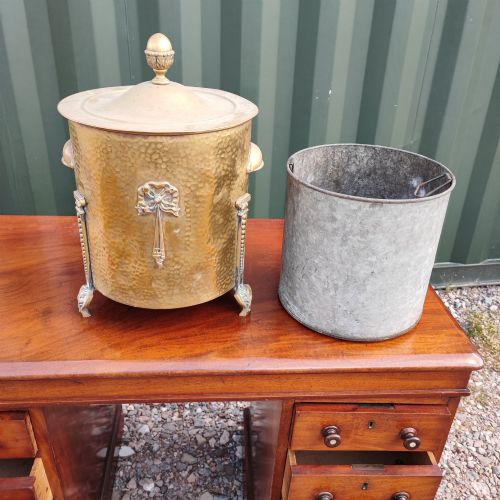
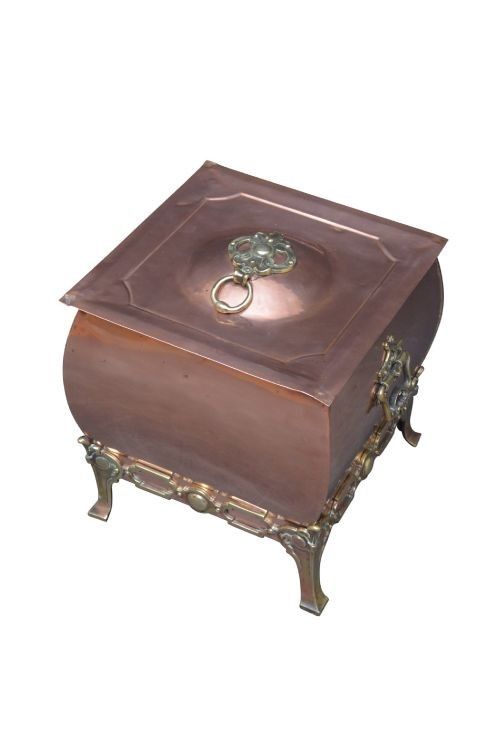
A metal coal box serves as a functional fireside accessory designed to store fuel near the hearth. Buyers seeking a metal coal box will encounter diverse forms such as scuttles, bins, buckets, and purdoniums spanning the nineteenth and early twentieth centuries.
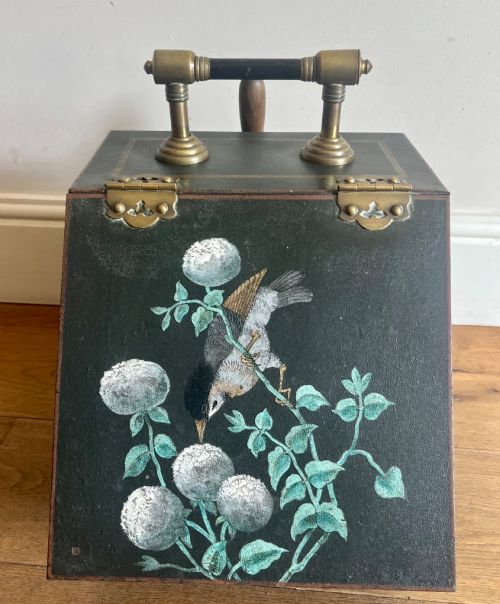
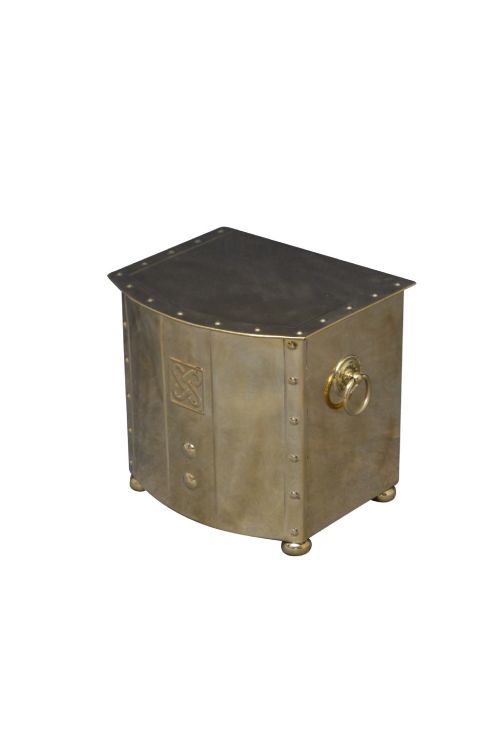
The selection frequently includes Victorian and Arts and Crafts examples, alongside Art Nouveau and industrial utilitarian styles. These pieces range from polished brass helmets to robust iron log bins and painted toleware boxes.
Originating as essential domestic equipment, these items now function as decorative fireside containers and planters. The variety includes lidded boxes, open buckets, and handled scuttles often accompanied by shovels or liners.
Materials and Construction
The construction relies heavily on durable metals including brass, copper, iron, and wrought iron, frequently combined with wooden bodies or metal liners. Makers shaped sheet copper and brass through hammering, embossing, and riveting to create decorative yet sturdy receptacles.
Painted finishes, toleware, and folk art barge work adorn iron and metal surfaces, adding colour and pattern to utilitarian objects. Blacksmith-made pieces demonstrate hand-forged iron techniques suited to daily fireside service.
Materials recorded across the inventory include brass, copper, iron, wrought iron, mahogany, toleware, and painted metal.
Assessing Quality and Execution
Quality reveals itself in the weight of the metal and the precision of hand-hammered or embossed details. Superior examples exhibit robust construction, secure joints, and well-fitted lids that maintain their shape over decades of use.
The artistic ambition of the design distinguishes standard items from exceptional ones, particularly within Arts and Crafts and Art Nouveau specimens where decorative hardware and integrated fittings show careful planning.
Henry Loveridge
The Metal Coal Box Glossary
- Coal scuttle
- A bucket or container with a handle and often a tilted opening designed for carrying and pouring coal. It typically sits beside the fireplace.
- Purdonium
- A specialised type of coal box featuring a sloping drop-front door and an interior metal liner. This form became popular during the Victorian period.
- Toleware
- Metalware coated with lacquer or paint, often decorated with hand-painted floral motifs or japanning. It appears frequently on nineteenth-century fireside boxes.
- Log bin
- A large container used for storing firewood rather than smaller pieces of coal. These are constructed from wood, iron, brass, or copper.
Metal Coal Box: Frequently Asked Questions
How do I clean an antique metal coal box?
Clean surfaces gently using a soft cloth to remove dust and preserve any original patina or painted finishes. Avoid abrasive metal polishes on historic brass and copper unless necessary.
For painted toleware or folk art pieces, use only dry cleaning methods to protect the decorated surface from moisture damage.
Can I still use a metal coal box for fuel?
These containers remain fully functional for storing logs, kindling, or coal beside a modern or working fireplace. Ensure any interior metal liner is clean and dry before loading fuel.
Using a liner protects the historic exterior shell from moisture and debris accumulation over time.
How do I date an Arts and Crafts coal box?
Examine the construction methods, such as hand-hammered surfaces, riveted joints, and characteristic stylized floral or geometric motifs. These stylistic markers typically point to late nineteenth or early twentieth-century production.
Materials like heavy brass, copper, and wrought iron combined with simple, honest forms are key indicators of this movement.