



Metal Cannon Model
These metal cannon model examples bring centuries of military and maritime engineering to desks and cabinets in solid brass, bronze, and iron.
Metal Cannon Model
A metal cannon model represents historical artillery pieces, ranging from field guns to shipboard armaments, scaled down for display. When searching for a metal cannon model, buyers encounter items varying from simple desk ornaments to functional signal cannons designed to produce a loud report.
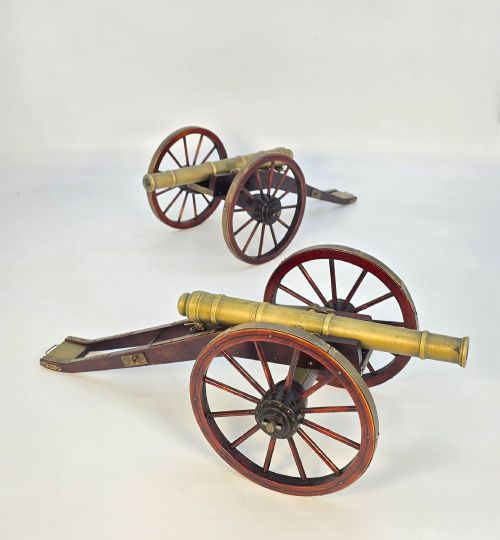
Common forms on this page include scale models of French and English field guns, ship of the line cannons, and heavy bronze desk pieces. These objects serve primarily as decorative items with historical maritime or military associations.
How they were made
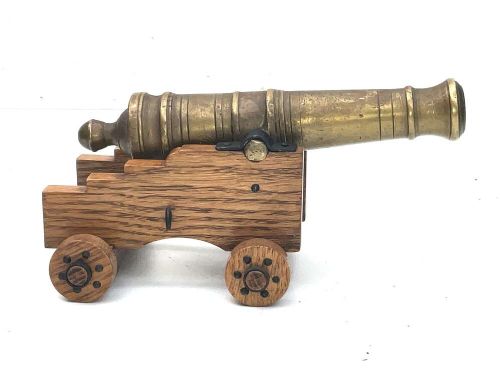
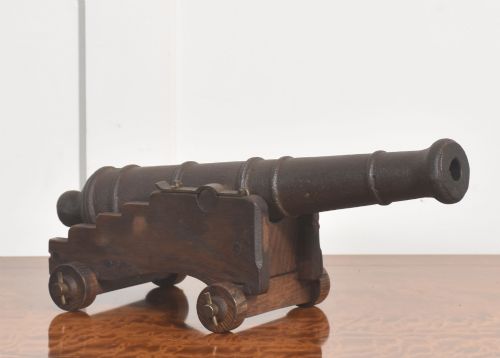
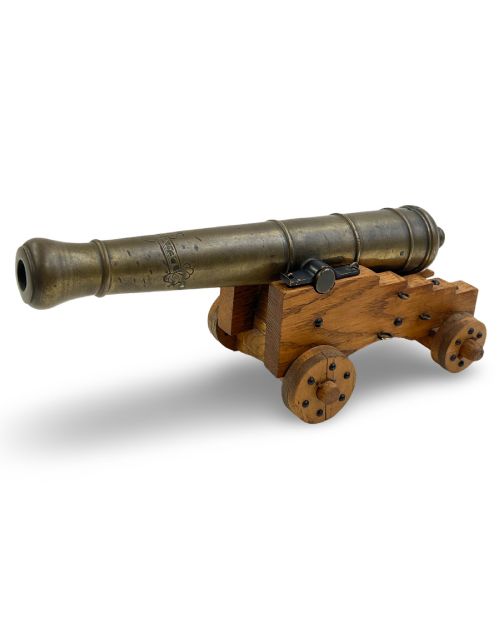
Makers cast barrels utilising metals such as brass, bronze, cast iron, and polished steel, often employing traditional foundry techniques to achieve surface detail. These metal components are then mounted onto stepped wooden carriages fashioned from sturdy timbers like oak, mahogany, and assorted hardwoods.
Many models incorporate mixed media construction, pairing gleaming bronze or brass barrels with iron fittings and wooden undercarriages secured by metal pins or bolts. Hand built examples show individual shaping and fitting of components rather than mass production uniformity.
Metal Cannon Model Retail Price Guide 2026
Typical asking prices for metal cannon model among the pieces listed under this phrase on Sellingantiques today, from the lower quarter to the upper quarter. They describe what is for sale here now, not the wider market.
Listings feature metal cannon models spanning the eighteenth century through to the 1930s, utilising brass, bronze, cast iron, and oak.
What varies in quality
The standard of a metal cannon model depends heavily on the precision of the casting and the fidelity of the scaling to historical artillery designs. Finer pieces display crisp barrel inscriptions, well proportioned carriages, and clean metal finishes without casting flaws.
Material selection also dictates overall grade, with heavy solid bronze and brass command higher visual appeal than simpler cast iron alternatives. The quality of the accompanying woodwork, particularly tight joinery on oak or mahogany undercarriages, separates ordinary items from superior examples.
The Metal Cannon Model Glossary
- Signal cannon
- A small piece designed specifically to produce a loud report on celebratory occasions or to signal time at sea. These versions often feature reinforced metal barrels to handle small explosive charges.
- Carriage
- The mounting structure that supports the cannon barrel, allowing it to rest on a desk or deck. These are commonly constructed from woods such as oak and mahogany, sometimes with iron wheels.
- Gribeauval
- A standardised system of French artillery developed in the eighteenth century by Jean Baptiste de Gribeauval. Models reproducing this style feature specific military configurations characteristic of that era.
- Ship of the line
- A type of powerful warship used by the navies from the seventeenth through the mid nineteenth centuries. Models associated with this style replicate the heavy armament carried on naval decks.
Metal Cannon Model: Frequently Asked Questions
Are these metal cannon models able to fire?
Some pieces categorised as signal cannons were historically designed to produce a loud report using gunpowder charges. However, many examples function strictly as decorative desk ornaments and scale models without functional touchholes.
Buyers should examine the construction carefully and avoid attempting to fire antique models unless expert assessment confirms the barrel integrity and safety of the piece.
What materials are used in these models?
The barrels are cast from metals such as brass, bronze, cast iron, and polished steel, offering different patinas and weights. These metal components are paired with wooden carriages built from oak, mahogany, or dense hardwoods.
Iron or brass fittings frequently reinforce the wooden undercarriages, mirroring the construction methods of full scale historical artillery.
How do I date an antique cannon model?
Dating relies on stylistic clues, historical military designs, and material characteristics associated with periods like the Georgian or Victorian eras. Inscriptions, such as specific naval or military names, also provide chronological context.
Construction techniques, including hand filing and early casting methods, help distinguish nineteenth century work from twentieth century reproductions or retrospective styles.
Where were these models displayed historically?
Such pieces typically appeared on the desks of naval officers, military commanders, and maritime enthusiasts in studies and libraries. They served as conversation items and symbols of naval power or regimental pride.
Today, collectors place them on mantelpieces, bookshelves, and office desks as decorative antiques with a distinct historical theme.